Mon, Sep 7, 2026
[Archive]
Volume 19, Issue 2 (2026)
J Med Edu Dev 2026, 19(2): 111-119 |
Back to browse issues page

Ethics code: KMCTMC/IEC/RefNo/CER/21/2023


Download citation:
BibTeX | RIS | EndNote | Medlars | ProCite | Reference Manager | RefWorks
Send citation to:


BibTeX | RIS | EndNote | Medlars | ProCite | Reference Manager | RefWorks
Send citation to:
Krishnan D G, Keloth A V, Ravindren S. Self-medication practices among final-year medical students: a cross-sectional survey in a tertiary hospital. J Med Edu Dev 2026; 19 (2) :111-119
URL: http://edujournal.zums.ac.ir/article-1-2727-en.html
URL: http://edujournal.zums.ac.ir/article-1-2727-en.html

1- Department of Pharmacology, KMCT Medical College, Kerala University of Health Sciences, Kozhikode, Kerala, India
2- Department of Surgery, Malabar Medical College, Kerala University of Health Sciences, Kozhikode, Kerala, India ,anukeshteaching@gmail.com
2- Department of Surgery, Malabar Medical College, Kerala University of Health Sciences, Kozhikode, Kerala, India ,
Full-Text [PDF 458 kb]
(303 Downloads)
| Abstract (HTML) (530 Views)
Full-Text: (227 Views)
Abstract
Background & Objective: Self-medication, defined as the use of medications without a physician's prescription, is common among medical students due to their partial medical knowledge and easy access to drugs. This study aimed to evaluate the prevalence, patterns, and attitudes regarding self-medication practices among final-year undergraduate medical students.
Materials & Methods: A cross-sectional survey was conducted among 238 final-year medical students at a tertiary care teaching hospital between September and November 2024. Data were collected using a structured anonymous questionnaire. Out of these, 224 completed responses were analyzed using descriptive and analytical statistics.
Results: The mean knowledge score was 19.66 ± 2.93, and the mean attitudes score was 139.47 ± 11.44). Prior training (p = 0.041) and male gender (p = 0.009) showed a significant correlation with higher attitude scores. Knowledge scores had a positive correlation with year of residency (p = 0.033) and a negative correlation with age (p = 0.004). Despite limited knowledge, 67% of participants stated that they needed training on palliative care.
Conclusion: The high prevalence of self-medication among medical students highlights the urgent need to integrate training on rational drug use into the undergraduate medical curriculum.
Introduction
Self-medication, defined as the selection and use of medicines by individuals to treat self-recognized illnesses or symptoms without professional supervision, is a common practice worldwide and represents an important public health concern. Although responsible self-medication may play a role in healthcare by improving access to treatment for minor ailments, inappropriate self-medication is associated with significant risks, including inappropriate drug selection, incorrect dosing, incorrect duration of use, Adverse Drug Reactions (ADRs), drug–drug interactions and the emergence of Antimicrobial Resistance (AMR) [1, 2]. The World Health Organization (WHO) recognizes self-medication as a component of self-care but strongly cautions against its unregulated practice, particularly in low- and middle-income countries where over-the-counter access to prescription medicines is common [3]. A substantial body of literature has documented a high prevalence of self-medication among university students and healthcare trainees across different regions of the world. Studies conducted in India, Pakistan, the Middle East, Europe, and other countries consistently report that medical students frequently engage in self-medication practices, often using analgesics, antipyretics, antihistamines and antibiotics without medical consultation [4, 5].
The reported prevalence of self-medication among medical students ranges widely, reflecting differences in healthcare systems, regulatory environments and cultural practices, but remains consistently high across settings.Despite their formal medical training, medical students often justify self-medication based on perceived pharmacological knowledge, easy access to medicines and time constraints [6]. However, several studies have highlighted concerning practices among this group, including inappropriate antibiotic use, incomplete treatment courses, polypharmacy and inadequate recognition of adverse drug reactions [7, 8, 9]. These behaviours are particularly problematic, as they may contribute to AMR and compromise patient safety.
In addition to prevalence, previous studies have emphasized a persistent gap between theoretical knowledge and actual medication-related behaviours among medical students [10]. Research from South India, North India, Pakistan, Slovenia and the Middle East has demonstrated varying levels of awareness regarding the risks of self-medication, with many students underestimating the potential for harm [5, 9, 11]. Furthermore, increasing reliance on internet-based sources for medical information and limited emphasis on pharmacovigilance during undergraduate training have been identified as important contributors to unsafe medication practices [12, 13]. Although several studies have examined self-medication practices among medical students, there remains a need for institution- and region-specific data, particularly in the context of evolving medical curricula, changing access to digital health information and growing emphasis on antimicrobial stewardship. Data from North Kerala are limited, and there is a paucity of studies that simultaneously assess self-medication practices, sources of information, treatment adherence and awareness of adverse drug reactions among final-year undergraduate medical students in this setting. Given the global threat of antimicrobial resistance and the critical role that future physicians play in promoting rational drug use, it is essential to better understand current self-medication patterns and attitudes among medical students. Therefore, this study was undertaken to assess the prevalence, patterns and attitudes related to self-medication among final-year undergraduate medical students in a tertiary care teaching hospital in North Kerala, with the aim of identifying gaps and informing targeted educational interventions to promote rational and safe medication practices.
Materials & Methods
Design and setting(s)
This was a cross-sectional questionnaire-based survey conducted in the Department of Pharmacology at a tertiary care teaching hospital in North Kerala from September 2024 to November 2024.
Participants and sampling
The study population comprised final-year undergraduate medical students enrolled at KMCT Medical College, Kozhikode, Kerala, during the study period. The sample size was calculated using the single population proportion formula based on an anticipated prevalence of self-medication of 80%, derived from previous Indian studies [4, 5]. Using a 95% confidence level and an absolute precision of 5%, the minimum required sample size was calculated using the formula: n = Z² × p × q / d², where Z = 1.96, p = 0.80, q = 0.20, and d = 0.05. Considering feasibility and anticipated non-response, all eligible final-year students were approached. A total of 238 students were recruited, of whom 224 completed questionnaires were included in the final analysis. A non-probability convenience sampling method was used. Students present during scheduled academic sessions and who provided written informed consent were recruited consecutively. The study included final-year undergraduate MBBS students who were present during data collection and provided informed consent, while incompletely filled questionnaires were excluded from the analysis.
Tools/Instruments
A structured, anonymous, self-administered questionnaire was developed based on a review of published literature and World Health Organization guidance on self-medication and adapted to the local context [1, 11]. The questionnaire consisted of multiple sections assessing demographic characteristics, prevalence and patterns of self-medication, drug classes used, sources of information, awareness of adverse drug reactions, treatment adherence, and attitudes toward self-medication. The complete questionnaire is provided as Appendix 1. Content validity was established through expert review by faculty members in the Department of Pharmacology to ensure relevance and adequate coverage of the study domains. Face validity and clarity were assessed through pilot testing, and minor modifications were made accordingly. As the questionnaire was designed to assess multiple distinct domains rather than a single underlying construct, it was intended primarily for descriptive analysis and analytical comparisons, rather than for generating a composite score. The internal consistency of the questionnaire was assessed using Cronbach’s alpha coefficient, which yielded an overall value of 0.13. This low value reflects the heterogeneous, multi-domain structure of the questionnaire, which assessed distinct aspects of self-medication practices and attitudes rather than a single latent construct.
Data collection methods
After Institutional Ethics Committee approval, data were collected during scheduled academic sessions. The purpose of the study was explained, and written informed consent was obtained. Questionnaires were self-administered and completed anonymously to encourage candid responses. Completed questionnaires were collected immediately.
Data analysis
Data were entered into Microsoft Excel and analysed using the Statistical Package for the Social Sciences (SPSS), version 25.
Descriptive statistics were used to summarize study variables and were presented as frequencies and percentages. Analytical (inferential) statistics were applied to examine associations between gender and key outcome variables, including prevalence of self-medication, awareness of adverse drug reactions, and treatment adherence. The chi-square test was used for comparisons involving categorical variables. A p-value < 0.05 was considered statistically significant.
Results
Out of 238 questionnaires distributed, 224 completed questionnaires were analysed, giving a response rate of 94.1%. Among the respondents, 126 (56.3%) were females and 98 (43.7%) were males. Self-medication during the preceding six months was reported by 188 students (83.9%) and was found to be significantly higher among female students compared to males (χ² = 10.30, p = 0.001) (Table 1).
Table 1. Gender-wise prevalence of self-medication among final year medical students
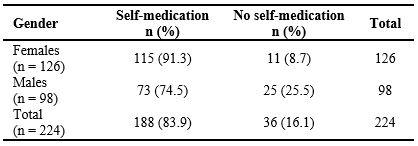
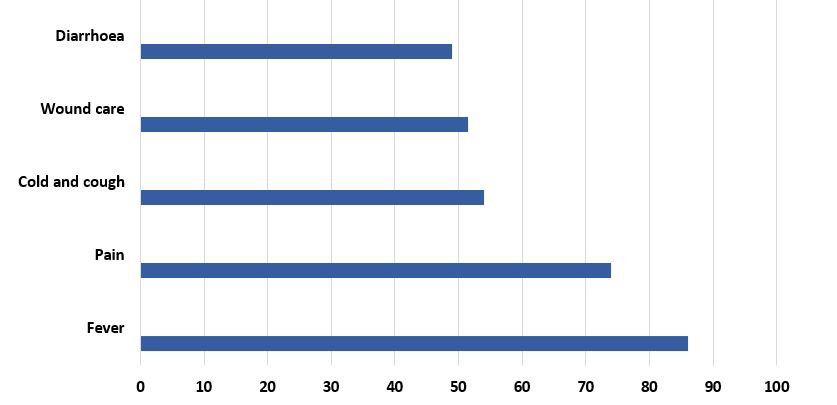
Figure 1. Common illnesses that prompted self-medication among Final year medical students (n = 188)
Multiples responses were allowed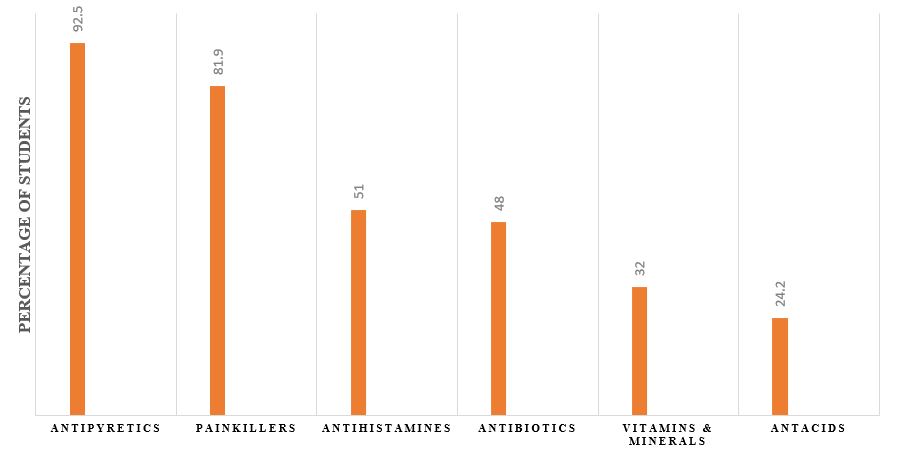
Figure 2. Drug classes commonly used for self-medication among Final year medical students (n = 188)
Multiples responses were allowed
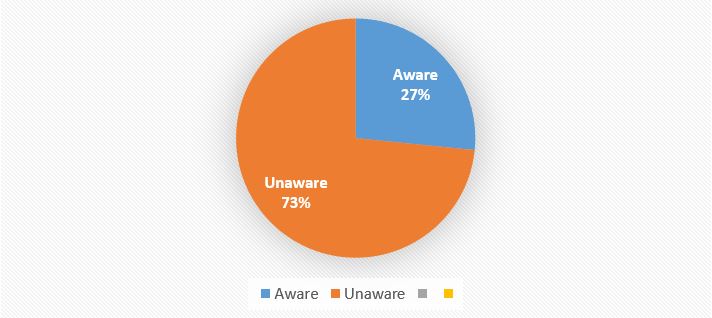
The predominant source of information for self-medication was internet resources (62.7%), followed by advice from family and friends (48.4%), textbooks (28.4%), pharmacist advice (21.3%), and old prescriptions (11.4%) (Figure 3). Awareness of adverse drug reactions was reported by only 26.6% of students, while 73.4% were unaware. Awareness of adverse drug reactions was significantly higher among female students than males (χ² = 11.46, p = 0.001) (Figure 4 and Table 2).
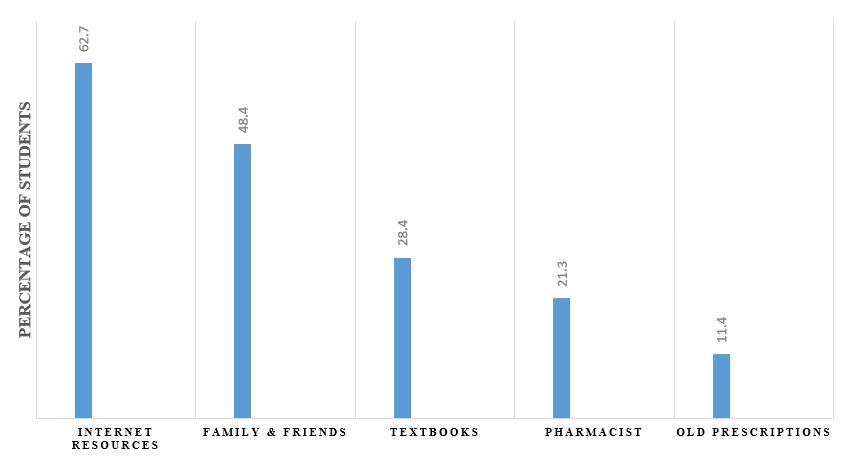
Figure 3. Sources of information for self-medication practices (n = 188)
Multiples responses were allowed
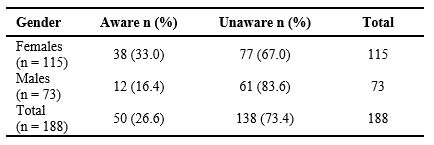
Note: Chi-square test was used to compare awareness of adverse drug reactions (ADRs) between genders. χ² = 11.46, df = 1, p = 0.001.
Abbreviations: n, number of participants; ADRs, adverse drug reactions; df, degrees of freedom.
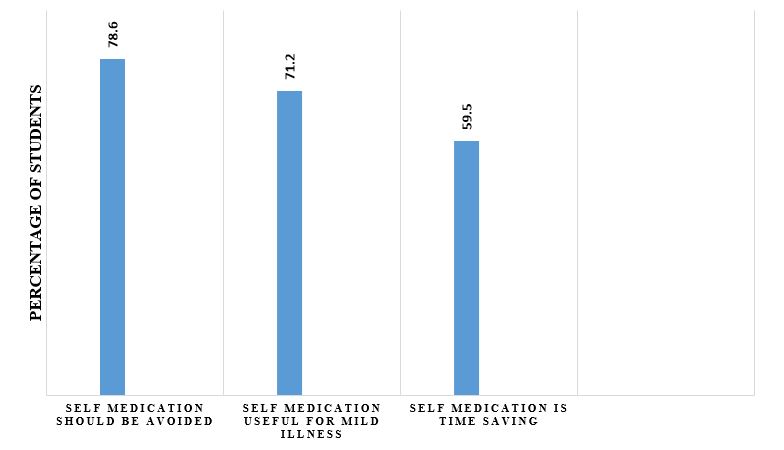
Less than half of the respondents (38.4%) reported completing the full course of medication, while 61.6% discontinued treatment prematurely (Figure 5). Completion of the medication course showed a significant association with gender, with female students more likely to complete treatment compared to males (χ² = 23.55, p < 0.001) (Table 3). Regarding attitudes, 78% of students believed that self-medication should be avoided, although 71.2% perceived it to be useful for mild illnesses and 59.5% considered it timesaving (Figure 6). A significant association was observed between practicing self-medication and the belief that self-medication should be avoided (χ² = 17.10, p < 0.001).
Table 3. Gender-wise difference in course completion among students who practiced self-medication
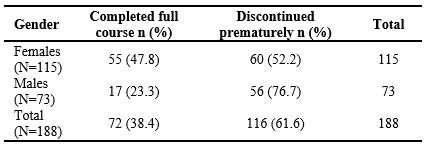
Note: Chi-square test was used to compare course completion behavior between genders. χ² = 23.55, df = 1, p < 0.001.
Abbreviations: n, number of participants; df, degrees of freedom.
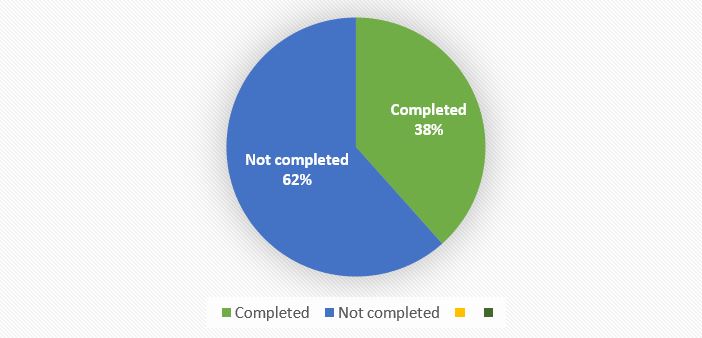
Figure 5. Completion of course of medication among students (n = 188)
Discussion
This study revealed a high prevalence (83.9%) of self-medication among final-year medical students, consistent with findings from coastal South India (91%) [4], West Bengal (65.9%) [5], Pakistan (76%) [9] and North India (78%) [14]. Recent studies from India and other regions have similarly reported high prevalence ranging from 70–90% among medical students, indicating that self-medication remains a persistent global behaviour in this population [15–17]. A higher proportion of female students reported self-medication, consistent with prior studies suggesting menstrual pain management as a common driver for self-initiated medication [10, 18]. Analytical comparisons in this study focused on gender differences in prevalence, awareness of ADRs and treatment adherence. Female students showed significantly higher prevalence, greater awareness of ADRs and better adherence to prescribed courses than males, highlighting important gender-related differences in self-medication behaviours. These findings are in line with previous reports linking gender to variations in health-seeking behaviour and medication-related practices [2, 3]. The primary symptoms prompting self-medication were fever and pain, mirroring global trends where antipyretics and analgesics are most frequently self-prescribed [4, 5, 9, 19]. High usage may be attributed to perceived safety, over-the-counter availability, and familiarity among medical students; however, unsupervised use carries risks such as hepatotoxicity from excessive paracetamol and gastrointestinal or nephrotoxicity from NSAIDs [20, 21]. Antihistamines were commonly used for allergic symptoms and upper respiratory infections [11, 12], while antibiotic self-medication was reported by 48% of students, reflecting ongoing concerns about antimicrobial resistance and inappropriate antibiotic access among healthcare trainees [7, 9, 14, 22–24]. Vitamins, minerals, and antacids were also frequently used, suggesting preventive or symptomatic self-care that may nonetheless contribute to unnecessary polypharmacy and financial burden [5]. Internet resources (62.7%) emerged as the most common source of self-medication information, followed by family and friends (48.4%). This trend reflects increasing reliance on digital health information among medical students, although the quality and reliability of online health content remain variable [1, 11, 23, 25, 26]. Limited use of textbooks and pharmacist consultation indicates underutilization of authoritative sources and professional guidance [5, 27]. Low awareness of ADRs (26.6%) emphasizes the need for enhanced pharmacovigilance training and a culture of safety [12, 13]. Less than half of the students (38.4%) completed the full course of medication, with 61.6% discontinuing prematurely. Non-completion can lead to therapeutic failure, recurrence of illness, and increased risk of adverse outcomes, including antimicrobial resistance [21]. Despite 78.6% of students believing that self-medication should be avoided, 71.2% still considered it useful for mild illnesses, and 59.5% cited timesaving as a benefit. This knowledge-practice gap highlights a need for targeted behavioural interventions and reinforcement of rational drug use principles.
The internal consistency of the questionnaire, as assessed by Cronbach’s alpha, was 0.13. This low value reflects the multi-dimensional nature of the instrument, which measured distinct aspects of self-medication behaviours rather than a single latent construct. Cronbach’s alpha assumes one-dimensionality and therefore underestimates reliability in heterogeneous instruments [2, 3]. Despite the low alpha, the questionnaire was considered appropriate for descriptive and analytical comparisons within this study.
Overall, the findings highlight a persistent disconnect between knowledge and practice among medical students, with awareness of risks not consistently translating into safer behaviour. Addressing these gaps during undergraduate medical education is essential, as medication-related attitudes and behaviours formed during training are likely to influence future prescribing practices and patient safety. Based on the findings of this study, several recommendations can be proposed to promote rational and safe medication practices among medical students. Structured educational interventions focusing on rational drug use, responsible self-medication and antibiotic stewardship should be reinforced during undergraduate training, particularly in the clinical years when students gain increased access to medications. Integration of pharmacovigilance training, including hands-on sessions on ADR identification and reporting, should be emphasized within the Medical Education framework. Encouraging student participation in institutional pharmacovigilance programs may help improve awareness and reporting culture. Medical colleges should guide students toward credible evidence-based information sources and promote interprofessional collaboration, highlighting the role of pharmacists in medication counselling and safe drug use. Regular workshops, seminars and case-based discussions addressing common self-medication scenarios can help bridge the observed knowledge–practice gap. At an institutional level, policies regulating access to prescription-only medicines, particularly antibiotics, should be strictly enforced within and around medical campuses. Future research involving multicentric studies with validated tools and inclusion of qualitative assessments may provide a broader understanding of behavioural determinants influencing self-medication practices among medical students.
This study has several limitations that should be considered when interpreting the findings. Being a cross-sectional survey, it captures self-medication practices at a single point in time and does not allow assessment of causal relationships or temporal changes in behaviour. The reliance on a self-reported questionnaire may have introduced recall bias and social desirability bias, with participants potentially underreporting unsafe practices such as antibiotic misuse or premature discontinuation of treatment courses.
The study was conducted at a single tertiary care teaching institution, which may limit the generalizability of the findings to medical students in other regions or institutions with different academic environments and access to healthcare resources. Additionally, although the questionnaire was reviewed for clarity and content validity, it was self-designed and not subjected to extensive psychometric validation. The questionnaire demonstrated low internal consistency (Cronbach’s alpha = 0.13). This reflects the multidimensional nature of the instrument, which assessed several independent domains of self-medication practices (conditions, drug classes, information sources, awareness, adherence, and attitudes) rather than a single construct. Cronbach’s alpha assumes one-dimensionality and therefore underestimates reliability in heterogeneous surveys. Nevertheless, this limitation should be considered when interpreting the findings. The study also did not explore factors such as dosage accuracy, duration of drug use, or specific antibiotics used, which could have provided deeper insights into the clinical implications of self-medication practices.
Despite these limitations, the study provides valuable insights into prevailing self-medication behaviours and attitudes among final-year medical students and highlights critical gaps in pharmacovigilance awareness.
Conclusion
Self-medication was highly prevalent among medical students and was associated with antibiotic use, incomplete treatment courses, and limited awareness of adverse drug reactions. Despite recognising potential risks, many students perceived self-medication as convenient and useful for minor illnesses, reflecting a persistent knowledge–practice gap. These findings highlight the need to strengthen undergraduate training in rational drug use and pharmacovigilance to promote safer medication practices among future physicians.
Ethical considerations
Ethical review and approval were obtained from the Institutional Ethics Committee with ID KMCT/MC/IEC/Ref No/CER/21/2023. Informed consent was obtained from participants. The study did not collect any identifiable personal data.
Artificial intelligence utilization for article writing
No artificial intelligence tools were used in the preparation of the manuscript.
Acknowledgment
We acknowledge the medical students of the 2021 admission batch of KMCT Medical College for their participation in the study.
Conflict of interest statement
None declared.
Author contributions
DGK, AVK, and SR contributed to the conception and design of the work; the acquisition, analysis, or interpretation of data for the work. All authors contributed to drafting and revising the manuscript critically for important intellectual content. All authors have read and approved the final manuscript and agree to be accountable for all aspects of the work in ensuring that questions related to the accuracy or integrity of any part of the work are appropriately investigated and resolved.
Funding
Nil.
Data availability statement
Data can be shared by contacting the corresponding author.
Background & Objective: Self-medication, defined as the use of medications without a physician's prescription, is common among medical students due to their partial medical knowledge and easy access to drugs. This study aimed to evaluate the prevalence, patterns, and attitudes regarding self-medication practices among final-year undergraduate medical students.
Materials & Methods: A cross-sectional survey was conducted among 238 final-year medical students at a tertiary care teaching hospital between September and November 2024. Data were collected using a structured anonymous questionnaire. Out of these, 224 completed responses were analyzed using descriptive and analytical statistics.
Results: The mean knowledge score was 19.66 ± 2.93, and the mean attitudes score was 139.47 ± 11.44). Prior training (p = 0.041) and male gender (p = 0.009) showed a significant correlation with higher attitude scores. Knowledge scores had a positive correlation with year of residency (p = 0.033) and a negative correlation with age (p = 0.004). Despite limited knowledge, 67% of participants stated that they needed training on palliative care.
Conclusion: The high prevalence of self-medication among medical students highlights the urgent need to integrate training on rational drug use into the undergraduate medical curriculum.
Introduction
Self-medication, defined as the selection and use of medicines by individuals to treat self-recognized illnesses or symptoms without professional supervision, is a common practice worldwide and represents an important public health concern. Although responsible self-medication may play a role in healthcare by improving access to treatment for minor ailments, inappropriate self-medication is associated with significant risks, including inappropriate drug selection, incorrect dosing, incorrect duration of use, Adverse Drug Reactions (ADRs), drug–drug interactions and the emergence of Antimicrobial Resistance (AMR) [1, 2]. The World Health Organization (WHO) recognizes self-medication as a component of self-care but strongly cautions against its unregulated practice, particularly in low- and middle-income countries where over-the-counter access to prescription medicines is common [3]. A substantial body of literature has documented a high prevalence of self-medication among university students and healthcare trainees across different regions of the world. Studies conducted in India, Pakistan, the Middle East, Europe, and other countries consistently report that medical students frequently engage in self-medication practices, often using analgesics, antipyretics, antihistamines and antibiotics without medical consultation [4, 5].
The reported prevalence of self-medication among medical students ranges widely, reflecting differences in healthcare systems, regulatory environments and cultural practices, but remains consistently high across settings.Despite their formal medical training, medical students often justify self-medication based on perceived pharmacological knowledge, easy access to medicines and time constraints [6]. However, several studies have highlighted concerning practices among this group, including inappropriate antibiotic use, incomplete treatment courses, polypharmacy and inadequate recognition of adverse drug reactions [7, 8, 9]. These behaviours are particularly problematic, as they may contribute to AMR and compromise patient safety.
In addition to prevalence, previous studies have emphasized a persistent gap between theoretical knowledge and actual medication-related behaviours among medical students [10]. Research from South India, North India, Pakistan, Slovenia and the Middle East has demonstrated varying levels of awareness regarding the risks of self-medication, with many students underestimating the potential for harm [5, 9, 11]. Furthermore, increasing reliance on internet-based sources for medical information and limited emphasis on pharmacovigilance during undergraduate training have been identified as important contributors to unsafe medication practices [12, 13]. Although several studies have examined self-medication practices among medical students, there remains a need for institution- and region-specific data, particularly in the context of evolving medical curricula, changing access to digital health information and growing emphasis on antimicrobial stewardship. Data from North Kerala are limited, and there is a paucity of studies that simultaneously assess self-medication practices, sources of information, treatment adherence and awareness of adverse drug reactions among final-year undergraduate medical students in this setting. Given the global threat of antimicrobial resistance and the critical role that future physicians play in promoting rational drug use, it is essential to better understand current self-medication patterns and attitudes among medical students. Therefore, this study was undertaken to assess the prevalence, patterns and attitudes related to self-medication among final-year undergraduate medical students in a tertiary care teaching hospital in North Kerala, with the aim of identifying gaps and informing targeted educational interventions to promote rational and safe medication practices.
Materials & Methods
Design and setting(s)
This was a cross-sectional questionnaire-based survey conducted in the Department of Pharmacology at a tertiary care teaching hospital in North Kerala from September 2024 to November 2024.
Participants and sampling
The study population comprised final-year undergraduate medical students enrolled at KMCT Medical College, Kozhikode, Kerala, during the study period. The sample size was calculated using the single population proportion formula based on an anticipated prevalence of self-medication of 80%, derived from previous Indian studies [4, 5]. Using a 95% confidence level and an absolute precision of 5%, the minimum required sample size was calculated using the formula: n = Z² × p × q / d², where Z = 1.96, p = 0.80, q = 0.20, and d = 0.05. Considering feasibility and anticipated non-response, all eligible final-year students were approached. A total of 238 students were recruited, of whom 224 completed questionnaires were included in the final analysis. A non-probability convenience sampling method was used. Students present during scheduled academic sessions and who provided written informed consent were recruited consecutively. The study included final-year undergraduate MBBS students who were present during data collection and provided informed consent, while incompletely filled questionnaires were excluded from the analysis.
Tools/Instruments
A structured, anonymous, self-administered questionnaire was developed based on a review of published literature and World Health Organization guidance on self-medication and adapted to the local context [1, 11]. The questionnaire consisted of multiple sections assessing demographic characteristics, prevalence and patterns of self-medication, drug classes used, sources of information, awareness of adverse drug reactions, treatment adherence, and attitudes toward self-medication. The complete questionnaire is provided as Appendix 1. Content validity was established through expert review by faculty members in the Department of Pharmacology to ensure relevance and adequate coverage of the study domains. Face validity and clarity were assessed through pilot testing, and minor modifications were made accordingly. As the questionnaire was designed to assess multiple distinct domains rather than a single underlying construct, it was intended primarily for descriptive analysis and analytical comparisons, rather than for generating a composite score. The internal consistency of the questionnaire was assessed using Cronbach’s alpha coefficient, which yielded an overall value of 0.13. This low value reflects the heterogeneous, multi-domain structure of the questionnaire, which assessed distinct aspects of self-medication practices and attitudes rather than a single latent construct.
Data collection methods
After Institutional Ethics Committee approval, data were collected during scheduled academic sessions. The purpose of the study was explained, and written informed consent was obtained. Questionnaires were self-administered and completed anonymously to encourage candid responses. Completed questionnaires were collected immediately.
Data analysis
Data were entered into Microsoft Excel and analysed using the Statistical Package for the Social Sciences (SPSS), version 25.
Descriptive statistics were used to summarize study variables and were presented as frequencies and percentages. Analytical (inferential) statistics were applied to examine associations between gender and key outcome variables, including prevalence of self-medication, awareness of adverse drug reactions, and treatment adherence. The chi-square test was used for comparisons involving categorical variables. A p-value < 0.05 was considered statistically significant.
Results
Out of 238 questionnaires distributed, 224 completed questionnaires were analysed, giving a response rate of 94.1%. Among the respondents, 126 (56.3%) were females and 98 (43.7%) were males. Self-medication during the preceding six months was reported by 188 students (83.9%) and was found to be significantly higher among female students compared to males (χ² = 10.30, p = 0.001) (Table 1).
Table 1. Gender-wise prevalence of self-medication among final year medical students
Note: Chi-square test was used to compare the prevalence of self-medication between genders. χ² = 10.30, df = 1, p = 0.001.
Abbreviations: n, number of participants; df, degrees of freedom.
Fever was the most commonly self-treated condition (86%), followed by pain (73.9%), cold and cough (54%), wound-related conditions (51.5%), and diarrhea (48.9%). The most frequently used drug classes were antipyretics (92.5%) and analgesics/painkillers (81.9%), followed by antihistamines (51%), antibiotics (48%), vitamins and minerals (32%), and antacids (24.2%) (Figures 1 and 2).
Abbreviations: n, number of participants; df, degrees of freedom.
Fever was the most commonly self-treated condition (86%), followed by pain (73.9%), cold and cough (54%), wound-related conditions (51.5%), and diarrhea (48.9%). The most frequently used drug classes were antipyretics (92.5%) and analgesics/painkillers (81.9%), followed by antihistamines (51%), antibiotics (48%), vitamins and minerals (32%), and antacids (24.2%) (Figures 1 and 2).
Figure 1. Common illnesses that prompted self-medication among Final year medical students (n = 188)
Multiples responses were allowed
Figure 2. Drug classes commonly used for self-medication among Final year medical students (n = 188)
Multiples responses were allowed
Figure 3. Sources of information for self-medication practices (n = 188)
Multiples responses were allowed
Figure 4. Awareness of adverse drug reactions among students practicing self-medication practices (n = 188)
Table 2. Gender-wise difference in awareness of ADRs among students who practiced self-medicationNote: Chi-square test was used to compare awareness of adverse drug reactions (ADRs) between genders. χ² = 11.46, df = 1, p = 0.001.
Abbreviations: n, number of participants; ADRs, adverse drug reactions; df, degrees of freedom.
Less than half of the respondents (38.4%) reported completing the full course of medication, while 61.6% discontinued treatment prematurely (Figure 5). Completion of the medication course showed a significant association with gender, with female students more likely to complete treatment compared to males (χ² = 23.55, p < 0.001) (Table 3). Regarding attitudes, 78% of students believed that self-medication should be avoided, although 71.2% perceived it to be useful for mild illnesses and 59.5% considered it timesaving (Figure 6). A significant association was observed between practicing self-medication and the belief that self-medication should be avoided (χ² = 17.10, p < 0.001).
Table 3. Gender-wise difference in course completion among students who practiced self-medication
Note: Chi-square test was used to compare course completion behavior between genders. χ² = 23.55, df = 1, p < 0.001.
Abbreviations: n, number of participants; df, degrees of freedom.
Figure 5. Completion of course of medication among students (n = 188)
Figure 6: Attitudes towards self-medication among final year medical students (n = 224)
Responses reflect agreement with individual attitude statements
Responses reflect agreement with individual attitude statements
Discussion
This study revealed a high prevalence (83.9%) of self-medication among final-year medical students, consistent with findings from coastal South India (91%) [4], West Bengal (65.9%) [5], Pakistan (76%) [9] and North India (78%) [14]. Recent studies from India and other regions have similarly reported high prevalence ranging from 70–90% among medical students, indicating that self-medication remains a persistent global behaviour in this population [15–17]. A higher proportion of female students reported self-medication, consistent with prior studies suggesting menstrual pain management as a common driver for self-initiated medication [10, 18]. Analytical comparisons in this study focused on gender differences in prevalence, awareness of ADRs and treatment adherence. Female students showed significantly higher prevalence, greater awareness of ADRs and better adherence to prescribed courses than males, highlighting important gender-related differences in self-medication behaviours. These findings are in line with previous reports linking gender to variations in health-seeking behaviour and medication-related practices [2, 3]. The primary symptoms prompting self-medication were fever and pain, mirroring global trends where antipyretics and analgesics are most frequently self-prescribed [4, 5, 9, 19]. High usage may be attributed to perceived safety, over-the-counter availability, and familiarity among medical students; however, unsupervised use carries risks such as hepatotoxicity from excessive paracetamol and gastrointestinal or nephrotoxicity from NSAIDs [20, 21]. Antihistamines were commonly used for allergic symptoms and upper respiratory infections [11, 12], while antibiotic self-medication was reported by 48% of students, reflecting ongoing concerns about antimicrobial resistance and inappropriate antibiotic access among healthcare trainees [7, 9, 14, 22–24]. Vitamins, minerals, and antacids were also frequently used, suggesting preventive or symptomatic self-care that may nonetheless contribute to unnecessary polypharmacy and financial burden [5]. Internet resources (62.7%) emerged as the most common source of self-medication information, followed by family and friends (48.4%). This trend reflects increasing reliance on digital health information among medical students, although the quality and reliability of online health content remain variable [1, 11, 23, 25, 26]. Limited use of textbooks and pharmacist consultation indicates underutilization of authoritative sources and professional guidance [5, 27]. Low awareness of ADRs (26.6%) emphasizes the need for enhanced pharmacovigilance training and a culture of safety [12, 13]. Less than half of the students (38.4%) completed the full course of medication, with 61.6% discontinuing prematurely. Non-completion can lead to therapeutic failure, recurrence of illness, and increased risk of adverse outcomes, including antimicrobial resistance [21]. Despite 78.6% of students believing that self-medication should be avoided, 71.2% still considered it useful for mild illnesses, and 59.5% cited timesaving as a benefit. This knowledge-practice gap highlights a need for targeted behavioural interventions and reinforcement of rational drug use principles.
The internal consistency of the questionnaire, as assessed by Cronbach’s alpha, was 0.13. This low value reflects the multi-dimensional nature of the instrument, which measured distinct aspects of self-medication behaviours rather than a single latent construct. Cronbach’s alpha assumes one-dimensionality and therefore underestimates reliability in heterogeneous instruments [2, 3]. Despite the low alpha, the questionnaire was considered appropriate for descriptive and analytical comparisons within this study.
Overall, the findings highlight a persistent disconnect between knowledge and practice among medical students, with awareness of risks not consistently translating into safer behaviour. Addressing these gaps during undergraduate medical education is essential, as medication-related attitudes and behaviours formed during training are likely to influence future prescribing practices and patient safety. Based on the findings of this study, several recommendations can be proposed to promote rational and safe medication practices among medical students. Structured educational interventions focusing on rational drug use, responsible self-medication and antibiotic stewardship should be reinforced during undergraduate training, particularly in the clinical years when students gain increased access to medications. Integration of pharmacovigilance training, including hands-on sessions on ADR identification and reporting, should be emphasized within the Medical Education framework. Encouraging student participation in institutional pharmacovigilance programs may help improve awareness and reporting culture. Medical colleges should guide students toward credible evidence-based information sources and promote interprofessional collaboration, highlighting the role of pharmacists in medication counselling and safe drug use. Regular workshops, seminars and case-based discussions addressing common self-medication scenarios can help bridge the observed knowledge–practice gap. At an institutional level, policies regulating access to prescription-only medicines, particularly antibiotics, should be strictly enforced within and around medical campuses. Future research involving multicentric studies with validated tools and inclusion of qualitative assessments may provide a broader understanding of behavioural determinants influencing self-medication practices among medical students.
This study has several limitations that should be considered when interpreting the findings. Being a cross-sectional survey, it captures self-medication practices at a single point in time and does not allow assessment of causal relationships or temporal changes in behaviour. The reliance on a self-reported questionnaire may have introduced recall bias and social desirability bias, with participants potentially underreporting unsafe practices such as antibiotic misuse or premature discontinuation of treatment courses.
The study was conducted at a single tertiary care teaching institution, which may limit the generalizability of the findings to medical students in other regions or institutions with different academic environments and access to healthcare resources. Additionally, although the questionnaire was reviewed for clarity and content validity, it was self-designed and not subjected to extensive psychometric validation. The questionnaire demonstrated low internal consistency (Cronbach’s alpha = 0.13). This reflects the multidimensional nature of the instrument, which assessed several independent domains of self-medication practices (conditions, drug classes, information sources, awareness, adherence, and attitudes) rather than a single construct. Cronbach’s alpha assumes one-dimensionality and therefore underestimates reliability in heterogeneous surveys. Nevertheless, this limitation should be considered when interpreting the findings. The study also did not explore factors such as dosage accuracy, duration of drug use, or specific antibiotics used, which could have provided deeper insights into the clinical implications of self-medication practices.
Despite these limitations, the study provides valuable insights into prevailing self-medication behaviours and attitudes among final-year medical students and highlights critical gaps in pharmacovigilance awareness.
Conclusion
Self-medication was highly prevalent among medical students and was associated with antibiotic use, incomplete treatment courses, and limited awareness of adverse drug reactions. Despite recognising potential risks, many students perceived self-medication as convenient and useful for minor illnesses, reflecting a persistent knowledge–practice gap. These findings highlight the need to strengthen undergraduate training in rational drug use and pharmacovigilance to promote safer medication practices among future physicians.
Ethical considerations
Ethical review and approval were obtained from the Institutional Ethics Committee with ID KMCT/MC/IEC/Ref No/CER/21/2023. Informed consent was obtained from participants. The study did not collect any identifiable personal data.
Artificial intelligence utilization for article writing
No artificial intelligence tools were used in the preparation of the manuscript.
Acknowledgment
We acknowledge the medical students of the 2021 admission batch of KMCT Medical College for their participation in the study.
Conflict of interest statement
None declared.
Author contributions
DGK, AVK, and SR contributed to the conception and design of the work; the acquisition, analysis, or interpretation of data for the work. All authors contributed to drafting and revising the manuscript critically for important intellectual content. All authors have read and approved the final manuscript and agree to be accountable for all aspects of the work in ensuring that questions related to the accuracy or integrity of any part of the work are appropriately investigated and resolved.
Funding
Nil.
Data availability statement
Data can be shared by contacting the corresponding author.
Article Type : Orginal Research |
Subject:
Medical Education
Received: 2026/01/4 | Accepted: 2026/02/28 | Published: 2026/04/1
Received: 2026/01/4 | Accepted: 2026/02/28 | Published: 2026/04/1
Send email to the article author
| Rights and permissions | |
 |
This work is licensed under a Creative Commons Attribution-NonCommercial 4.0 International License. |