Thu, Oct 1, 2026
[Archive]
Volume 18, Issue 4 (2025)
J Med Edu Dev 2025, 18(4): 39-51 |
Back to browse issues page


Ethics code: No.324/EC/KEPK.UISU/XI/2022


Download citation:
BibTeX | RIS | EndNote | Medlars | ProCite | Reference Manager | RefWorks
Send citation to:


BibTeX | RIS | EndNote | Medlars | ProCite | Reference Manager | RefWorks
Send citation to:
Akbar S, Darungan T S, Nasution H T, Rahmah D S. Strategies in implementing the vision and mission of the medical school: a qualitative study of academic community perceptions. J Med Edu Dev 2025; 18 (4) :39-51
URL: http://edujournal.zums.ac.ir/article-1-2522-en.html
URL: http://edujournal.zums.ac.ir/article-1-2522-en.html

1- Medical Education Unit, Medical Faculty, Universitas Islam Sumatera Utara, Medan, North Sumatera, Indonesia , surya.akbar@fk.uisu.ac.id
2- Medical Education Unit, Medical Faculty, Universitas Islam Sumatera Utara, Medan, North Sumatera, Indonesia
3- Medical Faculty, Universitas Islam Sumatera Utara, Medan, North Sumatera, Indonesia
2- Medical Education Unit, Medical Faculty, Universitas Islam Sumatera Utara, Medan, North Sumatera, Indonesia
3- Medical Faculty, Universitas Islam Sumatera Utara, Medan, North Sumatera, Indonesia
Full-Text [PDF 589 kb]
(293 Downloads)
| Abstract (HTML) (1443 Views)
Full-Text: (99 Views)
Abstract
Background & Objective: The implementation of vision and mission in medical school aims not only to achieve scientific goals but also to achieve its organizational objectives. Evaluation of their implementation is often viewed from the perspective of policymakers rather than other organizational components. This study explores the academic community's perception of the institution's vision and mission and develops a strategy for implementation based on the research findings.
Materials & Methods: A qualitative research approach with directed content analysis was employed. Focus group discussion techniques were used to collect data. Participants consisted of three groups (five in each group): lecturers, employees, and students. The interview results were analyzed using lever control theory as a basis.
Results: The academic community’s perception of the institution’s vision and mission yielded three categories (and several sub-categories): understanding of the vision and mission (definition of vision and mission), development process (formulation stage), implementation (activity; monitoring and evaluation).
Conclusion: The researcher recommended a model derived from the research results for implementing the institution’s vision and mission, specifically: building perceptions, determining achievements, defining roles and tasks, and fostering communication.
Introduction
The vision and mission of an educational institution describe the goals the organization seeks to achieve [1]. The methods and techniques an organization uses to achieve its vision and mission significantly influence perceptions among both internal and external stakeholders.
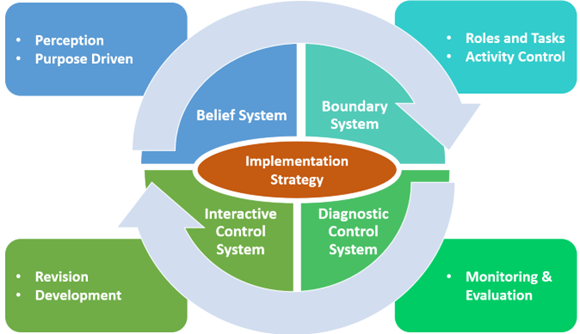
Figure 1. Conceptual framework (adapted from Simon’s lever of control)
The theory comprises four primary levels: belief systems, boundary systems, diagnostic systems, and interactive control systems. Each of these levers plays a critical role in ensuring that organizational strategy is implemented effectively and efficiently [12].
A belief system is a set of organizational definitions that are communicated and reinforced to provide direction to employees. The boundary system establishes the limits and rules that employees must follow, including codes of conduct, policies, and procedures designed to prevent undesirable behavior. Diagnostic systems are used to monitor and measure an organization's performance against its stated goals. An Interactive control system ensures that the vision and mission remain relevant and adaptable to changes in the external environment.
The vision and mission serve as a strategic compass for educational institutions, guiding management processes, decision-making, and the achievement of long-term objectives. However, the success of vision and mission statements is not determined solely by the clarity of their normative formulation, but also by how the academic community, faculty members, students, administrative employees, and external stakeholders interpret and internalize the values embedded within them. In this context, Lever Control Theory provides a relevant conceptual framework for understanding dynamics through which perceptions and collective understanding of the vision and mission are formed and sustained.
Lever Control Theory emphasizes that systemic change can be achieved by intervening in strategic points within a system. In the context of higher education institutions, this theory can be applied to understand how perceptions and practices surrounding vision and mission are shaped, maintained, and evaluated. Based on this theory, questions were formulated that reflected the implementation of the institution's vision and mission.
Materials & Methods
Design and setting(s)
This research is a qualitative study using a deductive/directed content analysis approach at the faculty of medicine, UISU. The University of Islam Sumatera Utara is one of the private universities in Medan City, North Sumatra Province, Indonesia, and has an “excellent” accreditation rating. This means that research conducted at this institution can reflect the vision and mission of medical schools. The institution adopts a competency-based curriculum and recently revised its vision and mission in 2022. Directed content analysis is used to obtain a more comprehensive overview of the implementation of the institution's vision and mission, while also drawing on existing theory [13]. One theory that can explain the implementation of vision and mission is the lever control theory, but because there are two parallel visions (i.e., scientific and organizational), it is necessary to further expand this theory to account for them, which can be done using a directed content analysis design.
Participants and sampling
The participants in this study are the entire academic community of the Faculty of Medicine UISU, consisting of three components: lecturers, employees, and students. All members of the academic community components of the medical faculty of UISU were considered primary participants in this study. The criteria for selecting participants among lecturers and employees was that they must have worked or been active at the institution for at least 5 years. This is because during that period, lecturers and employees were exposed to the organization’s characteristics for a long time, enabling the vision and mission to be better conveyed. Each institutional component was represented by five participants selected according to predetermined criteria. In total, 15 participants were divided into 3 groups (lecturers, employees, students). The researchers did not add more participants to the study because the results obtained were generally saturated. For student participants, the criterion was a Grade Point Average (GPA) above 3,00, assuming that students with such GPAs can participate well in learning experiences. Thus, the perceptions formed from these learning experiences can provide an overview of the implementation of the vision and mission, particularly in the field of learning. The student group was composed of representatives from each class year. The employee group consists of educational staff and faculty, and administrative staff. The fundamental difference between the two groups of staff lies in their main duties and functions: educational staff assist in the learning process, while administrative staff carry out the institution's administrative processes. The involvement of both staff groups is intended to illustrate the implementation of the vision and mission in the organization’s operations (both the learning process and organizational processes).
Rigor
The reliability of the research data was assessed through inter-coder checking of codes, sub-categories and categories. This technique was carried out by the three researchers simultaneously and at the same location so that the assessment of participant transcripts could be determined immediately. However, before reaching a mutual agreement, each researcher proposed appropriate code for the transcripts along with explanations. After listening to the explanations from the three researchers, the most appropriate code was agreed upon. The same method was also used to sub-categories and categories the interview results. Member checking was conducted by presenting the transcript results along with the codes, and this was done by handing it directly to the participants. This was done to ensure that the collected codes aligned with the participants' intentions. If participants feel the codes created do not accurately reflect the meaning of their answers, they can comment to improve the codes. This action is carried out for each participant until all participants agree on the codes created.
Data collection methods
The Focus Group Discussion (FGD) interview technique was used to explore participants' perceptions and understanding. The use of the FGD interview technique is based on its advantages in exploring shared experience, as it not only aims to collect data from each participant but also allows interaction among participants [14]. The implementation of vision and mission is reflected in the organizational culture practiced by an institution. Exploration of this organizational culture is better described through interactions among individuals rather than through the experiences of a single individual. Therefore, the researcher chose the focus group discussion technique as the data collection technique. The Focus Group Discussion interviews were conducted by the researcher and 2 research members (a total of 3 researchers). The principal investigator and one assistant researcher had experience conducting interviews, while the other assistant researcher assisted with preparing for the FGD process. The researchers ensured that all participants in the FGD group participated in answering the questions, so that no one participant dominated the discussion. The researchers also stimulated the group by exploring other points of view if they felt that the answers were too focused on a single point. Interviews were recorded using a voice recorder, which was later transcribed to create sub-categories and categories. Data collection was conducted in December 2022 over 3 days. The researchers did not limit the FGD duration to ensure that all participants' perceptions could be conveyed. The FGD was conducted by mutual agreement, with all participants not engaged in other activities that day. Interviews for each group were conducted on different days. The researcher developed five questions to direct participants in explaining the institution's vision and mission. All questions were formulated based on the lever control theory, whereby the first question aimed to describe participants' understanding (belief system) of the vision and mission; the second question aimed to explore the boundary system implemented by the institution; the third question aimed to examine the institution's diagnostic control system; the fourth and fifth questions aimed to investigate the interactive control system implemented by the institution. The questions are: 1) Can you explain the vision and mission of the institution? (2) Based on your experience, explain the activities carried out in your institution to fulfill its vision and mission! (3) In your opinion, are these activities appropriate for achieving the vision and mission? (4) Give your opinion on how the institution should achieve its vision and mission! (5) In your opinion, who is responsible for achieving the vision and mission?
Data analysis
Textual data were analyzed using the directed content analysis method, in which categories and sub-categories are determined based on the lever control theory. The textual data was transcribed by research assistant two and checked for accuracy by the principal investigator and research assistant one. The researcher determined the codes based on participants’ responses, with reference to lever control theory. The codes were then grouped into appropriate sub-categories, which were adjusted according to lever-control theory. Category were determined manually, with all researchers gathering and jointly agreeing on appropriate category from the predetermined sub-category. The final decision was made when all researchers agreed to link a particular sub-category to an existing category (Table 1).
Table 1. Frequency distribution of participants' demographic and professional characteristics (n = 15)
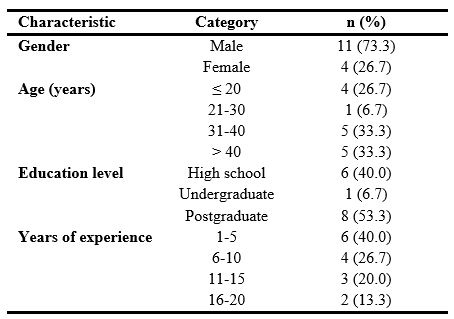
Table 2. Participants' demographic and professional characteristics
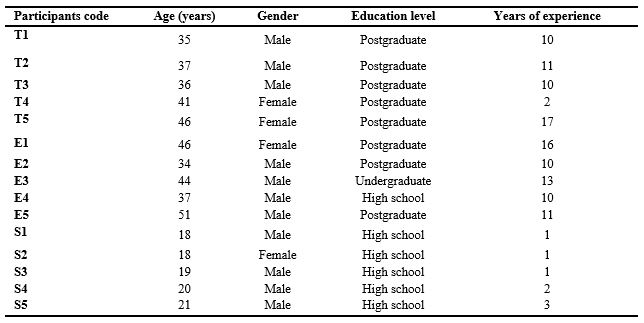
Table 3. Emergent categories, sub-categories and codes from focus group discussions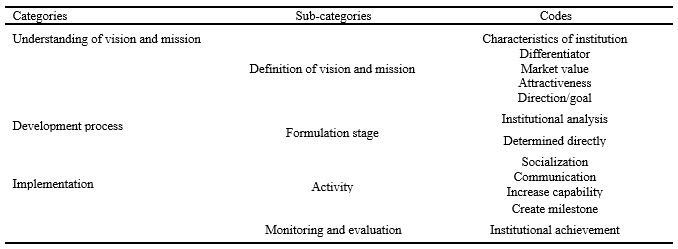
Note: Data obtained from thematic analysis of focus group discussions with participants.
Abbreviations: FGD, focus group discussion.
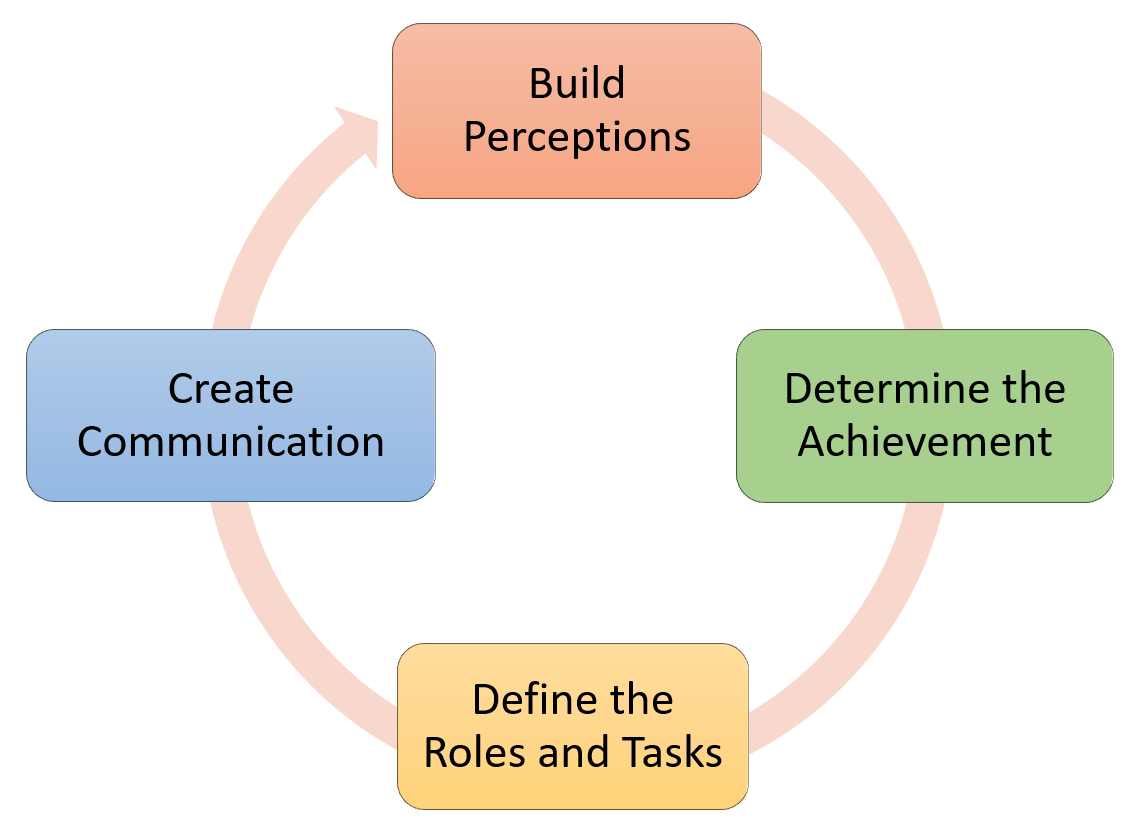
Figure 2. Strategies for implementing the vision and mission
Determine the achievement stage: Organizational leaders should determine the achievements that must be implemented each year based on the prepared vision and mission. Organizational leaders can determine what activities the organization needs to carry out in the first, second, and subsequent years. This is useful for ensuring the organization moves in the direction of its mission. This mapping is also useful for preparing the foundation needed to support the achievement of the vision and mission, such as establishing cooperation and developing infrastructure. Determining the achievement of the vision and mission each year is necessary to facilitate the monitoring and evaluation process.
Define the roles and tasks stage: The next step is to determine the roles and tasks for each organizational component in line with the vision and mission. This determination can synchronize the activities of organizational components to achieve the vision and mission. Additionally, defining roles and tasks can serve as a basis for monitoring and evaluating the performance of each organizational component. The relationship between the roles and tasks of each organizational component and the institution’s vision and mission need to be conveyed and explained by the organization's leadership [16]. This effort is intended to ensure that the perceptions formed in the first step align with the roles and tasks that must be carried out by each component of the organization.
Creating communication stage: The final step is to establish communication between organizational components and organizational leadership [17]. This is intended to receive input or address obstacles experienced by each component of the organization in carrying out its duties and roles. This communication can motivate employees to carry out their duties and roles in the institution. Opinions and input expressed by employees can foster a sense of belonging to the institution. This step must be carried out regularly to ensure optimal performance of each organizational component.
Discussion
The academic community of the Medical Faculty of UISU has a varying understanding of the institution’s vision and mission. This difference is evident from the results, which found that some view the institution’s vision and mission as something that must be achieved, while others perceive them as inherent to the institution. Understanding the institution’s vision and mission is crucial in shaping individual perceptions, which will impact the performance of all academic community components.
These perceptions can form if each component of the organization understands the institution's goals (purpose-driven) [1]. This difference could be due to a lack of socialization regarding the institution's vision and mission. Socializing the institution's vision and mission is fundamental to unifying the academic community’s perceptions and understanding of the institution's goals and strategies [4].
Socialization of the institution’s vision and mission needs to be conducted for each component of the
academic community to ensure their achievement [4, 18]. When referring to the level of strategy, the institution’s vision and mission represent a corporate-level strategy. This means that the values and direction an institution seeks to achieve become the basis for every decision [19].
It is the duty and responsibility of lower-level employees to implement and execute all decisions made at higher levels. Performance within an organization is highly dependent on the organization’s purpose statement [20]. The organization’s purpose must convey the values of its employees and leaders, thereby creating a brand personality. These values will become purpose-driven, enabling employees to meet the needs of stakeholders, including consumers. Failure to establish a purpose that encourages employees to demonstrate certain values in their activities can lead to differences in perception among employees.
Institutional performance is strongly influenced by the involvement of all components of the academic community [21, 22]. Clarity regarding the roles and functions of each academic community component can ensure the realization of the institution’s vision and mission [23, 24]. This is because each component of the academic community synergizes to carry out activities that support the realization of the institution's vision and mission. Additionally, the human resource management of each component within an institution should be conveyed in the institution's vision and mission statements [25].
The vision and mission should reflect the management control exercised by the organization [26]. The control management in question includes four points: the belief system, boundary system, diagnostic control system, and interactive control system. The understanding of each academic community component indicates that the belief system is not robust. The belief system is the first thing every component of the organization must possess [27]. The belief system is how the organization ensures that each individual within it develops a sound understanding. The quality of activities carried out by organizational components depends on the drive formed from this understanding. Encouragement based on an understanding of organizational goals can range from personal to the organizational level [1]. Every component of the organization must have a drive at the organizational level so that all components understand the organization's direction and goals. The boundary system and the diagnostic control system play a role in monitoring and guiding all activities within each organizational component to ensure they stay on track [28]. Setting limits and monitoring all organizational activities can ensure the achievement of organizational goals stated in the vision and mission. The implementation of these two systems is intended to foster harmony between understanding and action across each component of the organization.
An interactive control system is a useful system for providing space for organizational development. This system can synergize with the belief system and the diagnostic control system by receiving input from employees regarding their effort to achieve organizational goals [29].
This system can provide an opportunity for employees to voice the problems they encounter in carrying out their roles in the organization. Communication and meetings with higher leadership components can provide them with clarity and motivation to perform better in organizational activities. One method that leaders can use when communicating with subordinates is to use motivational language. Motivational language can significantly increase employee motivation, security, and a sense of togetherness, ultimately affecting subordinates' performance [30]. This technique involves combining listening, directing, and empathy when communicating with subordinates.
The strategy for implementing the vision and mission within an organization must be communicated effectively, not only within the organization but also to external organizations (stakeholders) [31]. Both groups play a role in ensuring that the vision and mission are implemented properly. In addition, communication between internal and external parties must be well established so that the organizational purposes expressed in the vision and mission can be implemented in an integrated manner.
This strategy can also be evaluated jointly by the organization's internal and external groups. Thus, all groups within the organization can work together to implement its vision and mission to meet the community's needs [32].
This research has strengths compared to other studies, including the use of three types of educational institution components: lecturers, employees, and students. Data collection through FGD can comprehensively capture the academic community's understanding of the institution's vision and mission. The limitation of this research is that the number of participants involved is still not optimal. However, based on the data obtained, the categories from the interviews were similar between the three FGD groups. Therefore, researchers believe that the information obtained is sufficient to describe the academic community’s understanding of the vision and mission.
Conclusion
Three main categories with several sub-categories were successfully identified in this study: understanding the institution's vision and mission, developing the vision and mission, and implementing the vision and mission. The results of the exploration of the academic community’s perceptions revealed differences among employees regarding the institution’s vision and mission. Based on these results, researchers recommend that every educational institution, especially medical institutions, periodically evaluate their employees' perceptions of the institution's vision and mission. This can be done at the end of each academic year, before the start of the next, which is the ideal time to prepare the institution to resume all its academic activities. This is to ensure that management and strategies for implementing the vision and mission are effectively put into place. Each educational institution has a distinct organizational culture, depending on its location and culture. Further research is needed to explore academicians' perceptions across different countries and cultures. From a theoretical perspective, the results of this study provide additional explanations for the development of lever control theory for the implementation of both scientific and organizational visions. In a belief system, perceptions of the organization's purpose need to be formed.
These perceptions are necessary to provide organizational values that will be carried out by each component of the organization. Furthermore, the boundary system needs to be supplemented with targets to be achieved each year or at specific times, and the roles and tasks of each organizational component should be determined based on these targets. This helps to facilitate the implementation of the diagnostic control system. Clarity of targets, tasks, and roles of each organizational component will facilitate monitoring and assessment of their achievement.
The last part —the interactive control system —can be added by establishing integrated, effective communication. The communication established is not only between superiors and subordinates, but also between organizational components, and between internal and external organizations (stakeholders).
The strategy for implementing the vision and mission involves four stages: building perceptions within each organizational component; determining the annual achievements of the vision and mission; defining the roles and tasks of each organizational component; and fostering communication between leaders and subordinate employees.
These four stages can be carried out continuously to ensure the vision and mission are upheld. Building perceptions of the institution’s vision and mission should be the first step to unify its direction and goals.
Actions that can be taken at this stage include holding a general meeting for the entire academic community, creating information media that contain the vision and mission, or establishing a special unit that serves as a center for information related to the institution's vision and mission, which can provide explanations and consultations on how to implement the vision and mission in every activity, whether for lecturers, staff, or students. After achieving a shared perception, it is necessary to determine the steps to achieve the vision and mission. The determination of achievement steps is intended as a target that must be met by all components of the institution. The determination of these achievements is based on the steps taken to achieve the institution's vision and mission. Therefore, the institution's vision and mission must first be broken down, and then a timeframe for their achievement must be set. This timeframe can be used as a benchmark for achieving the targets for implementing the vision and mission. Since each component of the institution has distinct tasks and functions, it is necessary to define the boundaries of each component's tasks and functions.
The determination of roles and tasks is carried out by disseminating the targets from the previous implementation stage to all components of the organization, taking into account each component's main duties and functions. This is useful so that all components work in synergy to achieve the set targets.
All these steps need to be accompanied by effective communication channels so that any obstacles or problems can be resolved clearly. Hierarchical communication techniques should not be used in this step, as there is a high risk of miscommunication, which can prevent problems from being resolved properly.
Motivational language needs to be used by organizational leaders to achieve the institution's vision and mission.
Ethical considerations
All participants were asked to fill out a consent form to participate in the research after receiving a brief explanation of the technique, purpose, and objectives of this research.
Participants were free to choose not to participate in this study. The reporting of results did not include individual respondents' names but instead used codes. This research has obtained ethics approval from the Ethics and Health Research Committee (KEPK) of FK UISU (No. 324/EC/KEPK.UISU/XI/2022).
Artificial intelligence utilization for article writing
The authors state that AI-based tools were not used in this study.
Acknowledgment
The authors would like to thank the academic community at FK UISU for their participation in this study and for sharing their experiences.
Conflict of interest statement
The authors declared no conflict of interest.
Author contributions
SA contributed to the research concept, data collection, data analysis, and article writing.
TSD and HT Nasution contributed to data collection, data analysis, and article writing. DSR contributed to data collection and article writing.
Funding
No funds, donations, or external help were made available for this study.
Data availability statement
Data was collected, analyzed, and stored in soft copy by the researcher.
Access to information on research results can be obtained by contacting the researcher. Information provided is only in anonymized form.
Background & Objective: The implementation of vision and mission in medical school aims not only to achieve scientific goals but also to achieve its organizational objectives. Evaluation of their implementation is often viewed from the perspective of policymakers rather than other organizational components. This study explores the academic community's perception of the institution's vision and mission and develops a strategy for implementation based on the research findings.
Materials & Methods: A qualitative research approach with directed content analysis was employed. Focus group discussion techniques were used to collect data. Participants consisted of three groups (five in each group): lecturers, employees, and students. The interview results were analyzed using lever control theory as a basis.
Results: The academic community’s perception of the institution’s vision and mission yielded three categories (and several sub-categories): understanding of the vision and mission (definition of vision and mission), development process (formulation stage), implementation (activity; monitoring and evaluation).
Conclusion: The researcher recommended a model derived from the research results for implementing the institution’s vision and mission, specifically: building perceptions, determining achievements, defining roles and tasks, and fostering communication.
Introduction
External individuals form perceptions based on their experiences when interacting with the organization, whether directly or indirectly. Perceptions of external parties can be positive or negative, depending on the type of experience gained. This perception is shaped by employees' performance and behavior within the organization.
Employee behavior and performance are also heavily dependent on their perceptions of the organization’s vision and mission. This perception arises from how employees view the purpose of their work within the organization.
This perception and commitment manifest in strategically aligned behaviors: faculty direct their teaching and research accordingly, students proactively develop relevant competencies, and administrative employees provide supportive services [2]. Ultimately, an organization's success in reaching its goals depends heavily on management's ability to proactively shape a positive, accurate perception, as misperceptions create a gap between the plan and reality, leading to failure to achieve objectives. The perceptions formed are necessary to guide the organization's components in achieving organizational goals. Organizational goals can be categorized into four types: personal goals, role goals, organizational goals, and social goals [1]. Although distinct, these goals can be interconnected. For instance, if an administrative worker in a medical education institution perceives their job as helping to produce a doctor, they have combined personal, role, organizational, and social goals into a synergistic objective. This differs from an administrative worker who perceives their work as merely following superiors’ (role goals) or solely earning money to live (personal goals). An organization must be known, understood, accepted, and aligned with the activities of individual members, both at the leadership and employee level [3]. Knowledge and understanding of the vision and mission influence the behavior and attitudes of these employees [4]. Each individual may have different perceptions of the organization’s vision and mission. This difference can lead to varied goals, potentially hindering the achievement of the organization's aims as outlined in its established vision and mission.
Previous research on individual perceptions in organizations has primarily focused on quantitative studies [3, 5, 6]. These studies measure perceptions of individuals both outside and inside the organization using questionnaires. A weakness of this method is that researchers cannot adequately capture differences in perceptions among individuals within the organization, as the questionnaire questions do not allow respondents to answer according to their own views. Several qualitative studies have been conducted in the last five years to describe perceptions of organizational vision and mission [7, 8]. These studies explored individuals' perceptions within the organization, but only from the perspective of the organization's leaders.
However, these studies did not explore perceptions of understanding but rather the goals and principles that are used in preparing the vision and mission.
In Indonesia, the vision and mission of medical education schools must convey institutional excellence in their statement, encompassing both the faculty and the study program [9].
Institutional excellence is the scientific focus that constitutes the institution’s strength. Therefore, medical schools must be able to achieve not only their scientific vision and mission but also their organizational vision and mission.
Consequently, implementing the vision and mission of medical schools presents unique challenges. This study was conducted due to the limited research on the implementation of vision and mission in Indonesia. It is expected to provide an understanding of how to effectively apply a vision and mission, considering both excellence (scientific focus) and organizational aspects. As an accredited faculty, Fakultas Kedokteran (FK) Universitas Islam Sumatera Utara (UISU) can serve as a location to explain how the organization's vision and mission, as well as the scientific vision and mission, are implemented. In addition, as a private institution, it certainly has a different organizational system from state institutions. Therefore, in order to describe the implementation of this vision and mission, the entire academic community must be involved. To describe how the implementation of a vision and mission that combines the organizational and scientific visions can be achieved through an exploration of the perceptions of the academic community. This is because a well-implemented vision and mission must be understood and carried out by all components, not just understood by leaders or policymakers. This research has two objectives: first, to explore the academic community’s perceptions of the institution’s vision and mission; and second, to develop strategies for implementing the vision and mission based on these perceptions. The results of this study can offer suggestions to educational institutions, especially medical education institutions in Indonesia, to ensure that organizational activities are directed toward achieving the vision and mission.
Lever Control Theory
A strong vision and mission can improve organizational performance by increasing employee commitment and fostering a positive work culture [10].
A clear vision and mission also aid in strategic and operational decision-making, ensuring that all actions taken align with the organization's long-term goals [11]. Lever Control Theory is a framework for managing and controlling organizational strategy (Figure 1).
The theory comprises four primary levels: belief systems, boundary systems, diagnostic systems, and interactive control systems. Each of these levers plays a critical role in ensuring that organizational strategy is implemented effectively and efficiently [12].
Employee behavior and performance are also heavily dependent on their perceptions of the organization’s vision and mission. This perception arises from how employees view the purpose of their work within the organization.
This perception and commitment manifest in strategically aligned behaviors: faculty direct their teaching and research accordingly, students proactively develop relevant competencies, and administrative employees provide supportive services [2]. Ultimately, an organization's success in reaching its goals depends heavily on management's ability to proactively shape a positive, accurate perception, as misperceptions create a gap between the plan and reality, leading to failure to achieve objectives. The perceptions formed are necessary to guide the organization's components in achieving organizational goals. Organizational goals can be categorized into four types: personal goals, role goals, organizational goals, and social goals [1]. Although distinct, these goals can be interconnected. For instance, if an administrative worker in a medical education institution perceives their job as helping to produce a doctor, they have combined personal, role, organizational, and social goals into a synergistic objective. This differs from an administrative worker who perceives their work as merely following superiors’ (role goals) or solely earning money to live (personal goals). An organization must be known, understood, accepted, and aligned with the activities of individual members, both at the leadership and employee level [3]. Knowledge and understanding of the vision and mission influence the behavior and attitudes of these employees [4]. Each individual may have different perceptions of the organization’s vision and mission. This difference can lead to varied goals, potentially hindering the achievement of the organization's aims as outlined in its established vision and mission.
Previous research on individual perceptions in organizations has primarily focused on quantitative studies [3, 5, 6]. These studies measure perceptions of individuals both outside and inside the organization using questionnaires. A weakness of this method is that researchers cannot adequately capture differences in perceptions among individuals within the organization, as the questionnaire questions do not allow respondents to answer according to their own views. Several qualitative studies have been conducted in the last five years to describe perceptions of organizational vision and mission [7, 8]. These studies explored individuals' perceptions within the organization, but only from the perspective of the organization's leaders.
However, these studies did not explore perceptions of understanding but rather the goals and principles that are used in preparing the vision and mission.
In Indonesia, the vision and mission of medical education schools must convey institutional excellence in their statement, encompassing both the faculty and the study program [9].
Institutional excellence is the scientific focus that constitutes the institution’s strength. Therefore, medical schools must be able to achieve not only their scientific vision and mission but also their organizational vision and mission.
Consequently, implementing the vision and mission of medical schools presents unique challenges. This study was conducted due to the limited research on the implementation of vision and mission in Indonesia. It is expected to provide an understanding of how to effectively apply a vision and mission, considering both excellence (scientific focus) and organizational aspects. As an accredited faculty, Fakultas Kedokteran (FK) Universitas Islam Sumatera Utara (UISU) can serve as a location to explain how the organization's vision and mission, as well as the scientific vision and mission, are implemented. In addition, as a private institution, it certainly has a different organizational system from state institutions. Therefore, in order to describe the implementation of this vision and mission, the entire academic community must be involved. To describe how the implementation of a vision and mission that combines the organizational and scientific visions can be achieved through an exploration of the perceptions of the academic community. This is because a well-implemented vision and mission must be understood and carried out by all components, not just understood by leaders or policymakers. This research has two objectives: first, to explore the academic community’s perceptions of the institution’s vision and mission; and second, to develop strategies for implementing the vision and mission based on these perceptions. The results of this study can offer suggestions to educational institutions, especially medical education institutions in Indonesia, to ensure that organizational activities are directed toward achieving the vision and mission.
Lever Control Theory
A strong vision and mission can improve organizational performance by increasing employee commitment and fostering a positive work culture [10].
A clear vision and mission also aid in strategic and operational decision-making, ensuring that all actions taken align with the organization's long-term goals [11]. Lever Control Theory is a framework for managing and controlling organizational strategy (Figure 1).
The theory comprises four primary levels: belief systems, boundary systems, diagnostic systems, and interactive control systems. Each of these levers plays a critical role in ensuring that organizational strategy is implemented effectively and efficiently [12].
Figure 1. Conceptual framework (adapted from Simon’s lever of control)
A belief system is a set of organizational definitions that are communicated and reinforced to provide direction to employees. The boundary system establishes the limits and rules that employees must follow, including codes of conduct, policies, and procedures designed to prevent undesirable behavior. Diagnostic systems are used to monitor and measure an organization's performance against its stated goals. An Interactive control system ensures that the vision and mission remain relevant and adaptable to changes in the external environment.
The vision and mission serve as a strategic compass for educational institutions, guiding management processes, decision-making, and the achievement of long-term objectives. However, the success of vision and mission statements is not determined solely by the clarity of their normative formulation, but also by how the academic community, faculty members, students, administrative employees, and external stakeholders interpret and internalize the values embedded within them. In this context, Lever Control Theory provides a relevant conceptual framework for understanding dynamics through which perceptions and collective understanding of the vision and mission are formed and sustained.
Lever Control Theory emphasizes that systemic change can be achieved by intervening in strategic points within a system. In the context of higher education institutions, this theory can be applied to understand how perceptions and practices surrounding vision and mission are shaped, maintained, and evaluated. Based on this theory, questions were formulated that reflected the implementation of the institution's vision and mission.
Materials & Methods
Design and setting(s)
This research is a qualitative study using a deductive/directed content analysis approach at the faculty of medicine, UISU. The University of Islam Sumatera Utara is one of the private universities in Medan City, North Sumatra Province, Indonesia, and has an “excellent” accreditation rating. This means that research conducted at this institution can reflect the vision and mission of medical schools. The institution adopts a competency-based curriculum and recently revised its vision and mission in 2022. Directed content analysis is used to obtain a more comprehensive overview of the implementation of the institution's vision and mission, while also drawing on existing theory [13]. One theory that can explain the implementation of vision and mission is the lever control theory, but because there are two parallel visions (i.e., scientific and organizational), it is necessary to further expand this theory to account for them, which can be done using a directed content analysis design.
Participants and sampling
The participants in this study are the entire academic community of the Faculty of Medicine UISU, consisting of three components: lecturers, employees, and students. All members of the academic community components of the medical faculty of UISU were considered primary participants in this study. The criteria for selecting participants among lecturers and employees was that they must have worked or been active at the institution for at least 5 years. This is because during that period, lecturers and employees were exposed to the organization’s characteristics for a long time, enabling the vision and mission to be better conveyed. Each institutional component was represented by five participants selected according to predetermined criteria. In total, 15 participants were divided into 3 groups (lecturers, employees, students). The researchers did not add more participants to the study because the results obtained were generally saturated. For student participants, the criterion was a Grade Point Average (GPA) above 3,00, assuming that students with such GPAs can participate well in learning experiences. Thus, the perceptions formed from these learning experiences can provide an overview of the implementation of the vision and mission, particularly in the field of learning. The student group was composed of representatives from each class year. The employee group consists of educational staff and faculty, and administrative staff. The fundamental difference between the two groups of staff lies in their main duties and functions: educational staff assist in the learning process, while administrative staff carry out the institution's administrative processes. The involvement of both staff groups is intended to illustrate the implementation of the vision and mission in the organization’s operations (both the learning process and organizational processes).
Rigor
The reliability of the research data was assessed through inter-coder checking of codes, sub-categories and categories. This technique was carried out by the three researchers simultaneously and at the same location so that the assessment of participant transcripts could be determined immediately. However, before reaching a mutual agreement, each researcher proposed appropriate code for the transcripts along with explanations. After listening to the explanations from the three researchers, the most appropriate code was agreed upon. The same method was also used to sub-categories and categories the interview results. Member checking was conducted by presenting the transcript results along with the codes, and this was done by handing it directly to the participants. This was done to ensure that the collected codes aligned with the participants' intentions. If participants feel the codes created do not accurately reflect the meaning of their answers, they can comment to improve the codes. This action is carried out for each participant until all participants agree on the codes created.
Data collection methods
The Focus Group Discussion (FGD) interview technique was used to explore participants' perceptions and understanding. The use of the FGD interview technique is based on its advantages in exploring shared experience, as it not only aims to collect data from each participant but also allows interaction among participants [14]. The implementation of vision and mission is reflected in the organizational culture practiced by an institution. Exploration of this organizational culture is better described through interactions among individuals rather than through the experiences of a single individual. Therefore, the researcher chose the focus group discussion technique as the data collection technique. The Focus Group Discussion interviews were conducted by the researcher and 2 research members (a total of 3 researchers). The principal investigator and one assistant researcher had experience conducting interviews, while the other assistant researcher assisted with preparing for the FGD process. The researchers ensured that all participants in the FGD group participated in answering the questions, so that no one participant dominated the discussion. The researchers also stimulated the group by exploring other points of view if they felt that the answers were too focused on a single point. Interviews were recorded using a voice recorder, which was later transcribed to create sub-categories and categories. Data collection was conducted in December 2022 over 3 days. The researchers did not limit the FGD duration to ensure that all participants' perceptions could be conveyed. The FGD was conducted by mutual agreement, with all participants not engaged in other activities that day. Interviews for each group were conducted on different days. The researcher developed five questions to direct participants in explaining the institution's vision and mission. All questions were formulated based on the lever control theory, whereby the first question aimed to describe participants' understanding (belief system) of the vision and mission; the second question aimed to explore the boundary system implemented by the institution; the third question aimed to examine the institution's diagnostic control system; the fourth and fifth questions aimed to investigate the interactive control system implemented by the institution. The questions are: 1) Can you explain the vision and mission of the institution? (2) Based on your experience, explain the activities carried out in your institution to fulfill its vision and mission! (3) In your opinion, are these activities appropriate for achieving the vision and mission? (4) Give your opinion on how the institution should achieve its vision and mission! (5) In your opinion, who is responsible for achieving the vision and mission?
Data analysis
Textual data were analyzed using the directed content analysis method, in which categories and sub-categories are determined based on the lever control theory. The textual data was transcribed by research assistant two and checked for accuracy by the principal investigator and research assistant one. The researcher determined the codes based on participants’ responses, with reference to lever control theory. The codes were then grouped into appropriate sub-categories, which were adjusted according to lever-control theory. Category were determined manually, with all researchers gathering and jointly agreeing on appropriate category from the predetermined sub-category. The final decision was made when all researchers agreed to link a particular sub-category to an existing category (Table 1).
Table 1. Frequency distribution of participants' demographic and professional characteristics (n = 15)
Note: High school category includes student participants.
Abbreviations: n, number of participants.
Results
The participants were mostly male (73.3%), over 30 years old, with a master's degree, and with 1 to 5 years of experience at the institution. Among all participant characteristics, experience length could influence participants' perceptions in this study.
However, looking at the trend in length of experience, this imbalance did not have a significant influence due to the small number of participants (Table 2).
Abbreviations: n, number of participants.
Results
The participants were mostly male (73.3%), over 30 years old, with a master's degree, and with 1 to 5 years of experience at the institution. Among all participant characteristics, experience length could influence participants' perceptions in this study.
However, looking at the trend in length of experience, this imbalance did not have a significant influence due to the small number of participants (Table 2).
Table 2. Participants' demographic and professional characteristics
Note: Participants include teachers (T), employees (E), and students (S) from the academic institution.
Abbreviations: T, teacher; E, employee; S, student.
Abbreviations: T, teacher; E, employee; S, student.
Objective 1: Exploring the academic community’s perception of the institution’s vision and mission
The results of the FGD interviews yielded several categories, grouped into three. The three categories are as follows:
Category 1: Understanding of the institution's vision and mission: The vision of UISU's Faculty of Medicine is “To become a leading center for medical education at the ASEAN regional level based on Islamic values and excellence in tropical medicine by 2025”.
The interview results show variations in the understanding of the institution's vision. Some participants perceive the vision and mission as something to be achieved, while others believe the institution already has them. These two perceptions are based on how participants view the functions of vision and mission, whether internal or external. Regarding perceptions that the vision and mission are objectives to be achieved, participants stated that establishing a vision and mission can provide direction for all activities carried out by the institution. All activities are aimed at achieving the targets set within the institution. The participant pointed out that the determination of scientific specificity written in the vision and mission is the focus that the institution must achieved:
"...so for example, our focus of science is tropical medicine, well, in tropical medicine what is still lacking or has not been achieved in tropical medicine, that is what we are trying to achieve (S1)".
Participant with this perception views the vision and mission as intended for internal institutional use, not for the public.
Vision and mission are considered statements that define the institution's development focus: "...something that is considered or expected to be a future strength for an institution..." (L2).
In contrast, some participants believe that the vision and mission are intended for external audiences. Institutional vision and mission statements are ways to convey the institution’s strengths to the outside world.
They argued that the vision and mission can provide an overview of the institution’s strengths, differentiating it from other institutions:
"....... things that a faculty is very good at or very capable of highlighting or telling the outside world" (S4).
This differentiator can attract prospective students and other parties to engage with an institution. Another participant with the same perception reasoned that the vision and mission serve to provide an overview of the institution's character:
"...is a character that distinguishes it from other faculties" (L4).
The institutional characteristics referred to by participants describe how lecturers' and students' knowledge, skills, and attitudes are developed.
Category 2: Development of vision and mission: According to the participant, the determination of the vision and mission is based on the analysis of the institution’s situation and conditions: "...if I see, to formulate vision and mission, it does need analysis, it needs a study” (L5). The institution's facilities, human resources, and organizational activities need to be assessed to determine its current position. This determination can provide an overview of the institution’s strengths and weaknesses: “We have to measure our strengths or weaknesses so that we can visualize opportunities that can be done" (L5). The results of the analysis can be used as the basis for determining the institution’s vision and mission. Preparation based on analysis results can help organizational components determine work programs that support the achievement of the vision and mission. Another participant added that analysis must be conducted not only internally (things that have been done in the institution) but also externally: "...the study must be in-depth, including internally, what we have, all kinds of human resources or facilities, then an external review is also necessary" (L2). This can provide an overview of the strategic steps the institution can take. This step can be conveyed through institutional goals articulated in the vision and mission.
Category 3: Implementation of vision and mission: Participants consider socialization to be important when implementing the vision and mission of organizational activities. Socialization can foster an understanding of what the institution aims to achieve. An institution is not composed of a single person but of several individuals. Each component of the organization has a different role; therefore, it is necessary to conduct socialization that will provide an understanding of each individual’s role in achieving the vision and mission. This communication is carried out not only at intra-organizational levels but also at inter-organizational levels.
Leaders of institutional organizations need to convey their aims for the vision and mission to their subordinates so that subordinates can recognize and understand their contribution in achieving the vision and mission: "...there should be two-way communication between leaders and subordinates about information from the vision and mission" (E1).
The categories, sub-categories, and codes that emerged from the thematic analysis of the FGDs are comprehensively summarized in Table 3.
The results of the FGD interviews yielded several categories, grouped into three. The three categories are as follows:
Category 1: Understanding of the institution's vision and mission: The vision of UISU's Faculty of Medicine is “To become a leading center for medical education at the ASEAN regional level based on Islamic values and excellence in tropical medicine by 2025”.
The interview results show variations in the understanding of the institution's vision. Some participants perceive the vision and mission as something to be achieved, while others believe the institution already has them. These two perceptions are based on how participants view the functions of vision and mission, whether internal or external. Regarding perceptions that the vision and mission are objectives to be achieved, participants stated that establishing a vision and mission can provide direction for all activities carried out by the institution. All activities are aimed at achieving the targets set within the institution. The participant pointed out that the determination of scientific specificity written in the vision and mission is the focus that the institution must achieved:
"...so for example, our focus of science is tropical medicine, well, in tropical medicine what is still lacking or has not been achieved in tropical medicine, that is what we are trying to achieve (S1)".
Participant with this perception views the vision and mission as intended for internal institutional use, not for the public.
Vision and mission are considered statements that define the institution's development focus: "...something that is considered or expected to be a future strength for an institution..." (L2).
In contrast, some participants believe that the vision and mission are intended for external audiences. Institutional vision and mission statements are ways to convey the institution’s strengths to the outside world.
They argued that the vision and mission can provide an overview of the institution’s strengths, differentiating it from other institutions:
"....... things that a faculty is very good at or very capable of highlighting or telling the outside world" (S4).
This differentiator can attract prospective students and other parties to engage with an institution. Another participant with the same perception reasoned that the vision and mission serve to provide an overview of the institution's character:
"...is a character that distinguishes it from other faculties" (L4).
The institutional characteristics referred to by participants describe how lecturers' and students' knowledge, skills, and attitudes are developed.
Category 2: Development of vision and mission: According to the participant, the determination of the vision and mission is based on the analysis of the institution’s situation and conditions: "...if I see, to formulate vision and mission, it does need analysis, it needs a study” (L5). The institution's facilities, human resources, and organizational activities need to be assessed to determine its current position. This determination can provide an overview of the institution’s strengths and weaknesses: “We have to measure our strengths or weaknesses so that we can visualize opportunities that can be done" (L5). The results of the analysis can be used as the basis for determining the institution’s vision and mission. Preparation based on analysis results can help organizational components determine work programs that support the achievement of the vision and mission. Another participant added that analysis must be conducted not only internally (things that have been done in the institution) but also externally: "...the study must be in-depth, including internally, what we have, all kinds of human resources or facilities, then an external review is also necessary" (L2). This can provide an overview of the strategic steps the institution can take. This step can be conveyed through institutional goals articulated in the vision and mission.
Category 3: Implementation of vision and mission: Participants consider socialization to be important when implementing the vision and mission of organizational activities. Socialization can foster an understanding of what the institution aims to achieve. An institution is not composed of a single person but of several individuals. Each component of the organization has a different role; therefore, it is necessary to conduct socialization that will provide an understanding of each individual’s role in achieving the vision and mission. This communication is carried out not only at intra-organizational levels but also at inter-organizational levels.
Leaders of institutional organizations need to convey their aims for the vision and mission to their subordinates so that subordinates can recognize and understand their contribution in achieving the vision and mission: "...there should be two-way communication between leaders and subordinates about information from the vision and mission" (E1).
The categories, sub-categories, and codes that emerged from the thematic analysis of the FGDs are comprehensively summarized in Table 3.
Table 3. Emergent categories, sub-categories and codes from focus group discussions
Note: Data obtained from thematic analysis of focus group discussions with participants.
Abbreviations: FGD, focus group discussion.
Socialization of the vision and mission can be done in several ways, either directly or indirectly. However, it is crucial that the information be provided through various media and methods to ensure that the vision and mission reach all components of the organization. Some sources of information used by the campus in disseminating vision and mission information include flyers, banners, and direct meetings between leaders and subordinates. Through various socialization channels, exposure to and understanding of the vision and mission among subordinates will increase. The participants argued that this makes it easier for them to remember and understand the institution's vision and mission. The implementation of the vision and mission needs to be planned, monitored, and evaluated:
"...so from there, there is planning, then there is implementation, and there is evaluation and monitoring" (L1).
The implementation of the vision and mission should be supported by policies that support achievement. These policies are formulated after determining the stage of achievement for each year. Based on these policies, organizational leaders can monitor and evaluate the plans that have been made. Additionally, the development of human resource capabilities to support the achievement of these stages is necessary:
"...to ensure that there needs to be training or provide new information to all human resources" (E2). Fulfilling the vision and mission requires support from qualified individuals and institutional capabilities. Therefore, human resource development is important.
Participants recognize that implementing the vision and mission requires cooperation from various organizational components. Therefore, the responsibility for realizing the vision and mission rests not only with the leadership but with all components of the organization:
"If asked who is responsible, yes, of course, all, the academic community" (L1). However, participants said that institutional leaders must monitor and control each component of the institution to ensure that it acts and works in accordance with the institution’s vision and mission.
The leader is considered a director and supporter in ensuring the achievement of the institution’s vision and mission:
".... leaders must provide support and then must provide direction to ensure on the track...." (L1).
Objective 2: Develop strategies to implement vision and mission
Based on the results of this study, researchers can propose strategies to advance the vision and mission in educational institutions.
The strategies for implementing vision and mission can be simplified into four stages: building perceptions; determining achievements; defining roles and tasks; and creating communication (Figure 2).
Building perceptions stage: This stage of the vision and mission, based on the results of this study, is to establish a common perception among all individuals within the institution. An organization's vision can influence the organization's internal processes [15].
This influence can occur when a shared perception forms among all components of the organization regarding the vision and mission.
This can be achieved by socializing the institution’s vision, mission, and the purpose for which it was formed.
"...so from there, there is planning, then there is implementation, and there is evaluation and monitoring" (L1).
The implementation of the vision and mission should be supported by policies that support achievement. These policies are formulated after determining the stage of achievement for each year. Based on these policies, organizational leaders can monitor and evaluate the plans that have been made. Additionally, the development of human resource capabilities to support the achievement of these stages is necessary:
"...to ensure that there needs to be training or provide new information to all human resources" (E2). Fulfilling the vision and mission requires support from qualified individuals and institutional capabilities. Therefore, human resource development is important.
Participants recognize that implementing the vision and mission requires cooperation from various organizational components. Therefore, the responsibility for realizing the vision and mission rests not only with the leadership but with all components of the organization:
"If asked who is responsible, yes, of course, all, the academic community" (L1). However, participants said that institutional leaders must monitor and control each component of the institution to ensure that it acts and works in accordance with the institution’s vision and mission.
The leader is considered a director and supporter in ensuring the achievement of the institution’s vision and mission:
".... leaders must provide support and then must provide direction to ensure on the track...." (L1).
Objective 2: Develop strategies to implement vision and mission
Based on the results of this study, researchers can propose strategies to advance the vision and mission in educational institutions.
The strategies for implementing vision and mission can be simplified into four stages: building perceptions; determining achievements; defining roles and tasks; and creating communication (Figure 2).
Building perceptions stage: This stage of the vision and mission, based on the results of this study, is to establish a common perception among all individuals within the institution. An organization's vision can influence the organization's internal processes [15].
This influence can occur when a shared perception forms among all components of the organization regarding the vision and mission.
This can be achieved by socializing the institution’s vision, mission, and the purpose for which it was formed.
Figure 2. Strategies for implementing the vision and mission
Determine the achievement stage: Organizational leaders should determine the achievements that must be implemented each year based on the prepared vision and mission. Organizational leaders can determine what activities the organization needs to carry out in the first, second, and subsequent years. This is useful for ensuring the organization moves in the direction of its mission. This mapping is also useful for preparing the foundation needed to support the achievement of the vision and mission, such as establishing cooperation and developing infrastructure. Determining the achievement of the vision and mission each year is necessary to facilitate the monitoring and evaluation process.
Define the roles and tasks stage: The next step is to determine the roles and tasks for each organizational component in line with the vision and mission. This determination can synchronize the activities of organizational components to achieve the vision and mission. Additionally, defining roles and tasks can serve as a basis for monitoring and evaluating the performance of each organizational component. The relationship between the roles and tasks of each organizational component and the institution’s vision and mission need to be conveyed and explained by the organization's leadership [16]. This effort is intended to ensure that the perceptions formed in the first step align with the roles and tasks that must be carried out by each component of the organization.
Creating communication stage: The final step is to establish communication between organizational components and organizational leadership [17]. This is intended to receive input or address obstacles experienced by each component of the organization in carrying out its duties and roles. This communication can motivate employees to carry out their duties and roles in the institution. Opinions and input expressed by employees can foster a sense of belonging to the institution. This step must be carried out regularly to ensure optimal performance of each organizational component.
Discussion
The academic community of the Medical Faculty of UISU has a varying understanding of the institution’s vision and mission. This difference is evident from the results, which found that some view the institution’s vision and mission as something that must be achieved, while others perceive them as inherent to the institution. Understanding the institution’s vision and mission is crucial in shaping individual perceptions, which will impact the performance of all academic community components.
These perceptions can form if each component of the organization understands the institution's goals (purpose-driven) [1]. This difference could be due to a lack of socialization regarding the institution's vision and mission. Socializing the institution's vision and mission is fundamental to unifying the academic community’s perceptions and understanding of the institution's goals and strategies [4].
Socialization of the institution’s vision and mission needs to be conducted for each component of the
academic community to ensure their achievement [4, 18]. When referring to the level of strategy, the institution’s vision and mission represent a corporate-level strategy. This means that the values and direction an institution seeks to achieve become the basis for every decision [19].
It is the duty and responsibility of lower-level employees to implement and execute all decisions made at higher levels. Performance within an organization is highly dependent on the organization’s purpose statement [20]. The organization’s purpose must convey the values of its employees and leaders, thereby creating a brand personality. These values will become purpose-driven, enabling employees to meet the needs of stakeholders, including consumers. Failure to establish a purpose that encourages employees to demonstrate certain values in their activities can lead to differences in perception among employees.
Institutional performance is strongly influenced by the involvement of all components of the academic community [21, 22]. Clarity regarding the roles and functions of each academic community component can ensure the realization of the institution’s vision and mission [23, 24]. This is because each component of the academic community synergizes to carry out activities that support the realization of the institution's vision and mission. Additionally, the human resource management of each component within an institution should be conveyed in the institution's vision and mission statements [25].
The vision and mission should reflect the management control exercised by the organization [26]. The control management in question includes four points: the belief system, boundary system, diagnostic control system, and interactive control system. The understanding of each academic community component indicates that the belief system is not robust. The belief system is the first thing every component of the organization must possess [27]. The belief system is how the organization ensures that each individual within it develops a sound understanding. The quality of activities carried out by organizational components depends on the drive formed from this understanding. Encouragement based on an understanding of organizational goals can range from personal to the organizational level [1]. Every component of the organization must have a drive at the organizational level so that all components understand the organization's direction and goals. The boundary system and the diagnostic control system play a role in monitoring and guiding all activities within each organizational component to ensure they stay on track [28]. Setting limits and monitoring all organizational activities can ensure the achievement of organizational goals stated in the vision and mission. The implementation of these two systems is intended to foster harmony between understanding and action across each component of the organization.
An interactive control system is a useful system for providing space for organizational development. This system can synergize with the belief system and the diagnostic control system by receiving input from employees regarding their effort to achieve organizational goals [29].
This system can provide an opportunity for employees to voice the problems they encounter in carrying out their roles in the organization. Communication and meetings with higher leadership components can provide them with clarity and motivation to perform better in organizational activities. One method that leaders can use when communicating with subordinates is to use motivational language. Motivational language can significantly increase employee motivation, security, and a sense of togetherness, ultimately affecting subordinates' performance [30]. This technique involves combining listening, directing, and empathy when communicating with subordinates.
The strategy for implementing the vision and mission within an organization must be communicated effectively, not only within the organization but also to external organizations (stakeholders) [31]. Both groups play a role in ensuring that the vision and mission are implemented properly. In addition, communication between internal and external parties must be well established so that the organizational purposes expressed in the vision and mission can be implemented in an integrated manner.
This strategy can also be evaluated jointly by the organization's internal and external groups. Thus, all groups within the organization can work together to implement its vision and mission to meet the community's needs [32].
This research has strengths compared to other studies, including the use of three types of educational institution components: lecturers, employees, and students. Data collection through FGD can comprehensively capture the academic community's understanding of the institution's vision and mission. The limitation of this research is that the number of participants involved is still not optimal. However, based on the data obtained, the categories from the interviews were similar between the three FGD groups. Therefore, researchers believe that the information obtained is sufficient to describe the academic community’s understanding of the vision and mission.
Conclusion
Three main categories with several sub-categories were successfully identified in this study: understanding the institution's vision and mission, developing the vision and mission, and implementing the vision and mission. The results of the exploration of the academic community’s perceptions revealed differences among employees regarding the institution’s vision and mission. Based on these results, researchers recommend that every educational institution, especially medical institutions, periodically evaluate their employees' perceptions of the institution's vision and mission. This can be done at the end of each academic year, before the start of the next, which is the ideal time to prepare the institution to resume all its academic activities. This is to ensure that management and strategies for implementing the vision and mission are effectively put into place. Each educational institution has a distinct organizational culture, depending on its location and culture. Further research is needed to explore academicians' perceptions across different countries and cultures. From a theoretical perspective, the results of this study provide additional explanations for the development of lever control theory for the implementation of both scientific and organizational visions. In a belief system, perceptions of the organization's purpose need to be formed.
These perceptions are necessary to provide organizational values that will be carried out by each component of the organization. Furthermore, the boundary system needs to be supplemented with targets to be achieved each year or at specific times, and the roles and tasks of each organizational component should be determined based on these targets. This helps to facilitate the implementation of the diagnostic control system. Clarity of targets, tasks, and roles of each organizational component will facilitate monitoring and assessment of their achievement.
The last part —the interactive control system —can be added by establishing integrated, effective communication. The communication established is not only between superiors and subordinates, but also between organizational components, and between internal and external organizations (stakeholders).
The strategy for implementing the vision and mission involves four stages: building perceptions within each organizational component; determining the annual achievements of the vision and mission; defining the roles and tasks of each organizational component; and fostering communication between leaders and subordinate employees.
These four stages can be carried out continuously to ensure the vision and mission are upheld. Building perceptions of the institution’s vision and mission should be the first step to unify its direction and goals.
Actions that can be taken at this stage include holding a general meeting for the entire academic community, creating information media that contain the vision and mission, or establishing a special unit that serves as a center for information related to the institution's vision and mission, which can provide explanations and consultations on how to implement the vision and mission in every activity, whether for lecturers, staff, or students. After achieving a shared perception, it is necessary to determine the steps to achieve the vision and mission. The determination of achievement steps is intended as a target that must be met by all components of the institution. The determination of these achievements is based on the steps taken to achieve the institution's vision and mission. Therefore, the institution's vision and mission must first be broken down, and then a timeframe for their achievement must be set. This timeframe can be used as a benchmark for achieving the targets for implementing the vision and mission. Since each component of the institution has distinct tasks and functions, it is necessary to define the boundaries of each component's tasks and functions.
The determination of roles and tasks is carried out by disseminating the targets from the previous implementation stage to all components of the organization, taking into account each component's main duties and functions. This is useful so that all components work in synergy to achieve the set targets.
All these steps need to be accompanied by effective communication channels so that any obstacles or problems can be resolved clearly. Hierarchical communication techniques should not be used in this step, as there is a high risk of miscommunication, which can prevent problems from being resolved properly.
Motivational language needs to be used by organizational leaders to achieve the institution's vision and mission.
Ethical considerations
All participants were asked to fill out a consent form to participate in the research after receiving a brief explanation of the technique, purpose, and objectives of this research.
Participants were free to choose not to participate in this study. The reporting of results did not include individual respondents' names but instead used codes. This research has obtained ethics approval from the Ethics and Health Research Committee (KEPK) of FK UISU (No. 324/EC/KEPK.UISU/XI/2022).
Artificial intelligence utilization for article writing
The authors state that AI-based tools were not used in this study.
Acknowledgment
The authors would like to thank the academic community at FK UISU for their participation in this study and for sharing their experiences.
Conflict of interest statement
The authors declared no conflict of interest.
Author contributions
SA contributed to the research concept, data collection, data analysis, and article writing.
TSD and HT Nasution contributed to data collection, data analysis, and article writing. DSR contributed to data collection and article writing.
Funding
No funds, donations, or external help were made available for this study.
Data availability statement
Data was collected, analyzed, and stored in soft copy by the researcher.
Access to information on research results can be obtained by contacting the researcher. Information provided is only in anonymized form.
Article Type : Orginal Research |
Subject:
Medical Education
Received: 2025/07/2 | Accepted: 2025/10/25 | Published: 2025/11/19
Received: 2025/07/2 | Accepted: 2025/10/25 | Published: 2025/11/19
References
1. Haski-Leventhal D. On purpose, impact, vision and mission. In: The purpose-driven university. United Kingdom: Emerald Publishing Limited; 2020. p. 7-22. [DOI:10.1108/978-1-83867-283-620201003]
2. Younis JA, Alsreiwe SR, Hejase HJ, Al Hejase BJ, Al Hanahnah SF, Alqatamin A. Strategic alignment dimensions and structured practices of learning organizations: a case study of Wasit university. Int J Innov Res Sci Stud. 2023;6(2):418-31. [DOI:10.53894/ijirss.v6i2.1493]
3. Arado LM, Mendoza AD, Rose D, Alcantara MB, Dela Cruz R. Awareness, understanding, acceptance, and congruency of the PIT vision and mission, college goal and program objectives. Int J Sci Manag Stud. 2019;2(2):168-75.
4. Darbi WK. Of mission and vision statements and their potential impact on employee behaviour and attitudes: the case of a public but profit-oriented tertiary institution. Int J Bus Soc Sci. 2012;3(14):95-110.
5. Parilla ES, Abadilla ME, Tan PJ, Acosta I, Tomas M. Understanding, acceptance, and perception of the vision, mission, goals, and objectives of the Northwestern University College of Business Education Stakeholders. Educ Policy Dev. 2023;1(1):33-49. [DOI:10.31098/epd.v1i1.1291]
6. Constantino JA, Sison MH, Gabriel EC, Valdez JN, Valerio JM. Perception, awareness, acceptance and understanding of Neust-sic community towards its vision, mission, goals and objectives. Int J Adv Eng Manag Sci. 2020;6(7):335-45. [DOI:10.22161/ijaems.67.6]
7. Fraser AK. Licensed educator perceptions of the use of mission, vision, and values to guide daily school operations: a qualitative study [dissertation]. Newberg (OR): George Fox University; 2021.
8. Khoirurrijal. Stakeholders' perception of vision, mission, objectives, and its implications on curriculum development. An Nabighoh. 2023;25(2):147-61. [DOI:10.32332/an-nabighoh.v25i2.7485]
9. Kementerian Pendidikan, Kebudayaan, Riset, dan Teknologi Republik Indonesia. Peraturan Menteri Pendidikan, Kebudayaan, Riset, Dan Teknologi Republik Indonesia Nomor 53 Tahun 2023 Tentang Penjaminan Mutu Pendidikan Tinggi. Jakarta: Kemdikbudristek; 2023. p. 1-45.
10. Mohammad SI, Vasudevan A, Barhoom FNI, Alzghoul A. Key themes and future directions in transformational leadership: a bibliometric study. In: Hannoon A, Reyad S, editors. *Frontiers of human centricity in the artificial intelligence-driven society 5.0*. Cham: Springer Nature Switzerland; 2024. p. 401-11. [DOI:10.1007/978-3-031-73545-5_34]
11. Sapiro A. Organizational behavior. In: Sapiro A, editor. Strategic management: fundamental concepts for decision making and strategy execution. Cham: Springer International Publishing; 2024. p. 91-119. [DOI:10.1007/978-3-031-55669-2_5]
12. Chen G, Kirkman BL. The study of work motivation across cultures: a review and directions for future research. In: Gelfand MJ, Lee H, Zhou J, editors. The Oxford handbook of cross-cultural organizational behavior. New York: Oxford University Press; 2024. [DOI:10.1093/oxfordhb/9780190085384.013.7]
13. Kibiswa NK. Directed qualitative content analysis (DQlCA): a tool for conflict analysis. Qual Rep. 2019;24(8):2059-79. [DOI:10.46743/2160-3715/2019.3778]
14. Gundumogula M. Importance of focus groups in qualitative research. Int J Humanit Soc Sci. 2020;8(3):299-302. [DOI:10.24940/theijhss/2020/v8/i11/HS2011-082]
15. Salehi-kordabadi S, Karimi S, Qorbani-azar M. The relationship between mission statement and firms' performance. Int J Adv Stud Humanit Soc Sci. 2020;9(1):21-36. [DOI:10.33945/SAMI/IJASHSS.2020.1.2]
16. Gede DU, Huluka AT. The impact of strategic alignment on organizational performance: the case of Ethiopian universities. Cogent Bus Manag. 2023;10(2):2247873. [DOI:10.1080/23311975.2023.2247873]
17. Willett JF, LaGree D, Shin H, Baylor K, Calhoun CS. The role of leader communication in fostering respectful workplace culture and increasing employee engagement and well-being. Int J Bus Commun. 2023;0(0). [DOI:10.1177/23294884231195614]
18. Kipasika HJ. Expression of leadership mission, vision, values, and strategic objectives in academic institution development practices. J Res Innov Implic Educ. 2024;8(4):393-402.
19. Johnson G, Scholes K, Whittington R. Exploring corporate strategy. 8th ed. Edinburgh: Prentice Hall; 2008.
20. Fitzsimmons AB, Qin YS, Heffron ER. Purpose vs mission vs vision: persuasive appeals and components in corporate statements. J Commun Manag. 2022;26(2):207-19. [DOI:10.1108/JCOM-09-2021-0108]
21. Fontanella A, Chandra N. The effect of vision and mission statement on performance of accounting program of state polytechnics in Indonesia. Int J Innov Res Educ Sci. 2017;4(6):476-82.
22. Slåtten T, Mutonyi BR, Lien G. Does organizational vision really matter? An empirical examination of factors related to organizational vision integration among hospital employees. BMC Health Serv Res. 2021;21(1):535. [DOI:10.1186/s12913-021-06503-3] [PMID] []
23. Roblek V, Meško M. The importance of vision and mission for organizational development and growth. In: Challenges of the global economy & business: III international scientific conference; 2018 Oct 4-5; Rijeka, Croatia. Rijeka: University of Rijeka, Faculty of Tourism and Hospitality Management; 2018. p. 306-12.
24. Jonyo BO, Ouma C, Mosoti Z. The effect of mission and vision on organizational performancе within private universities in Kenya. Eur J Educ Sci. 2018;5(2):15-33. [DOI:10.19044/ejes.v5no2a2]
25. Akter S. Companies' vision, mission, and core values focus on human resource management. Int J Financ Account Manag. 2021;2(4):343-55. [DOI:10.35912/ijfam.v2i4.412]
26. Prayudi MA, Nurkholis N, Saraswati E, Mardiati E. Do vision and mission really matter? The management control experiences of reformed public hospitals in Indonesia. Int J Prof Bus Rev. 2023;8(3):e01092. [DOI:10.26668/businessreview/2023.v8i3.1092]
27. Hermawan AA, Bachtiar E, Wicaksono PT, Mardiati E. Levers of control and managerial performance: the importance of belief systems. Gadjah Mada Int J Bus. 2021;23(3):237-61. [DOI:10.22146/gamaijb.62612]
28. Yolanda YE, Rachmawati D. The role of boundary systems and diagnostic control in controlling achievement of performance targets. Int J Manag Account Econ. 2020;7(4):230-42.
29. Fukaya Y. The synergetic effect of belief system, diagnostic control system, interactive control system on frontline employee behavior. J Strateg Manag Stud. 2024;15(2):89-100.
30. Tao W, Lee Y, Sun R, Li JY, He M. Enhancing employee engagement via leaders' motivational language in times of crisis: perspectives from the COVID-19 outbreak. Public Relat Rev. 2022;48(1):102133. [DOI:10.1016/j.pubrev.2021.102133] [PMID] []
31. Dhlamini J. Setting the strategic direction: the role of the mission, vision, values statements and strategic leadership. J Strateg Manag. 2025;In press. [DOI:10.1108/JSMA-08-2024-0193]
Send email to the article author
| Rights and permissions | |
 |
This work is licensed under a Creative Commons Attribution-NonCommercial 4.0 International License. |