Tue, Oct 13, 2026
[Archive]
Volume 18, Issue 4 (2025)
J Med Edu Dev 2025, 18(4): 153-162 |
Back to browse issues page


Ethics code: NA


Download citation:
BibTeX | RIS | EndNote | Medlars | ProCite | Reference Manager | RefWorks
Send citation to:


BibTeX | RIS | EndNote | Medlars | ProCite | Reference Manager | RefWorks
Send citation to:
Choudhary A, Kaushik H. National assessment and accreditation council (NAAC) for physiotherapy institutes: a review of processes and unique challenges. J Med Edu Dev 2025; 18 (4) :153-162
URL: http://edujournal.zums.ac.ir/article-1-2500-en.html
URL: http://edujournal.zums.ac.ir/article-1-2500-en.html

1- Banarsidas Chandiwala Institute of Physiotherapy, Affiliated to Guru Gobind Singh Indraprastha University, Delhi, India
2- Banarsidas Chandiwala Institute of Physiotherapy, Affiliated to Guru Gobind Singh Indraprastha University, Delhi, India ,himanikaushik06@gmail.com
2- Banarsidas Chandiwala Institute of Physiotherapy, Affiliated to Guru Gobind Singh Indraprastha University, Delhi, India ,
Keywords: NAAC, physiotherapy, accreditation, higher education, quality assurance, key indicators, educational challenges
Full-Text [PDF 751 kb]
(349 Downloads)
| Abstract (HTML) (1638 Views)
Full-Text: (151 Views)
Abstract
Background & Objective: The growing demand for qualified physiotherapists has led to the rapid creation of physiotherapy colleges across India. This highlights the need for better educational standards through accreditation. The National Assessment and Accreditation Council (NAAC), under the University Grants Commission, plays a key role in checking educational institutions. It looks at teaching methods, governance, research output, facilities, and student engagement. This systematic review aims to address the role of the NAAC accreditation process made for physiotherapy colleges, find existing barriers, and outline NAAC's vision and checking criteria.
Materials & Methods: This systematic review was done by following a structured search strategy across PubMed, Google Scholar, and ResearchGate up to 2024. From an initial pool of 106 records, 11 studies met the inclusion criteria and were combined. The search was done using keywords such as NAAC, Physiotherapy, Medical Institutes, Accreditation, Education, Quality Assurance, enhanced by Boolean operators. Articles and reports addressing NAAC accreditation and its relevance to physiotherapy and allied health education were screened and combined to capture recurring themes, challenges, and opportunities. The most common challenges found were infrastructure, funding, and resources for faculty development.
Results: The review highlights accreditation as a critical factor of institutional credibility and graduate competency. Around the world, accreditation is seen as a benchmark for educational quality. In India, physiotherapy colleges often face barriers including shortages of qualified faculty, infrastructure limits, restricted funding, and not enough international work together. Also, gaps in research culture and limited awareness of NAAC's key indicators add to uneven preparedness among institutions.
Conclusion: This narrative review is among the first to focus specifically on NAAC accreditation in Indian physiotherapy education. Accreditation is positioned as a driver for enhancing institutional quality, aligning curricula with workforce demands, and improving graduate employability. Addressing systemic barriers through policy reforms, targeted capacity building, and strengthened institutional governance will be essential to effectively embed accreditation practices. Future studies based on data are recommended to check these findings and look into strategies for sustainable quality assurance across physiotherapy programs in India.
Introduction
Study selection process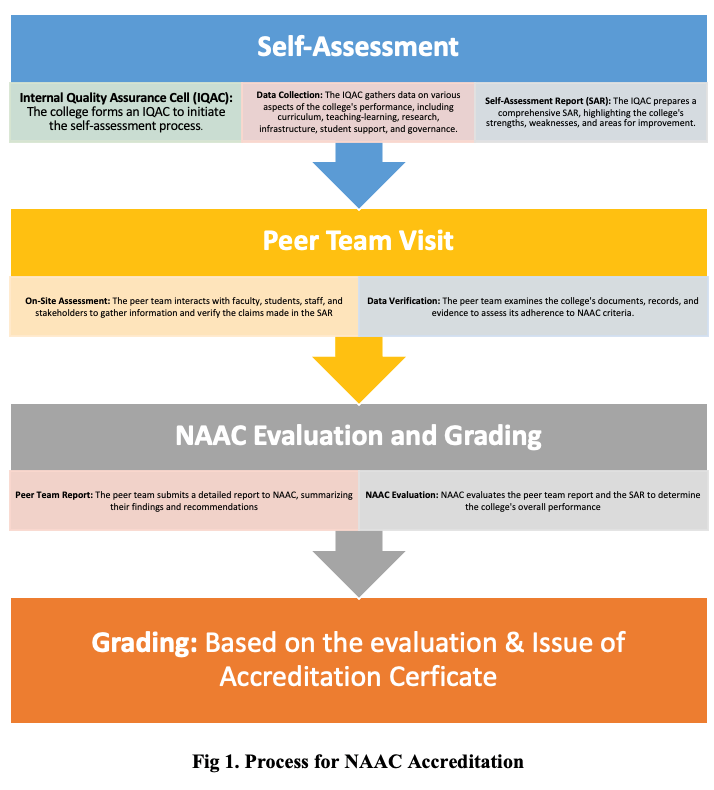
Figure 2. Process for NAAC accreditation
Abbreviations: IQAC, internal quality assurance cell; NAAC, national assessment and accreditation council; SAR, self-assessment report.
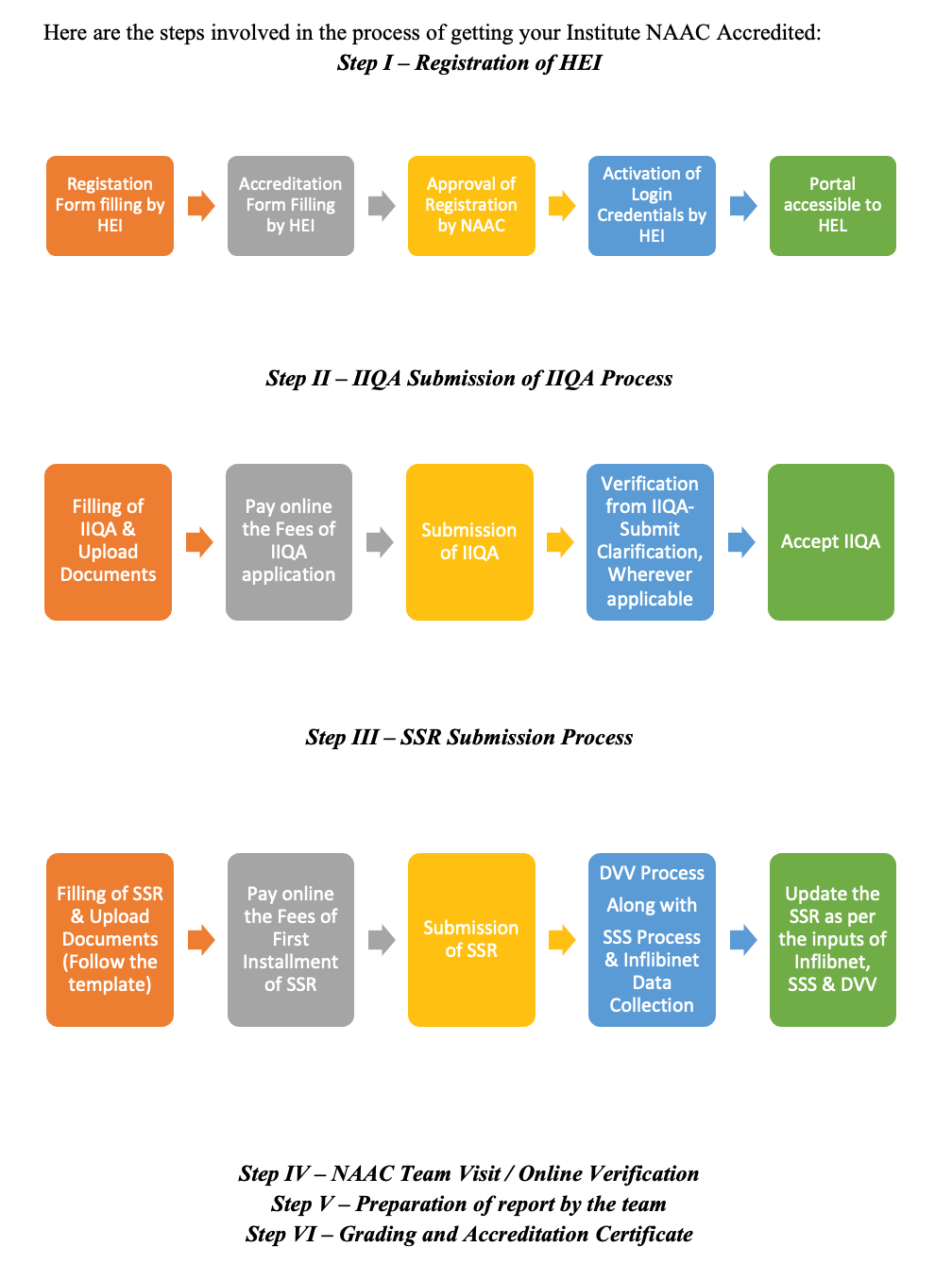
Figure 3. Steps involved in the process of getting NAAC accreditation
Abbreviations: DVV, data validation and verification; HEI, higher education institute; IIQA, institutional information for quality assessment; NAAC, national assessment and accreditation council; SSR, self-study report; SSS, student satisfaction survey.
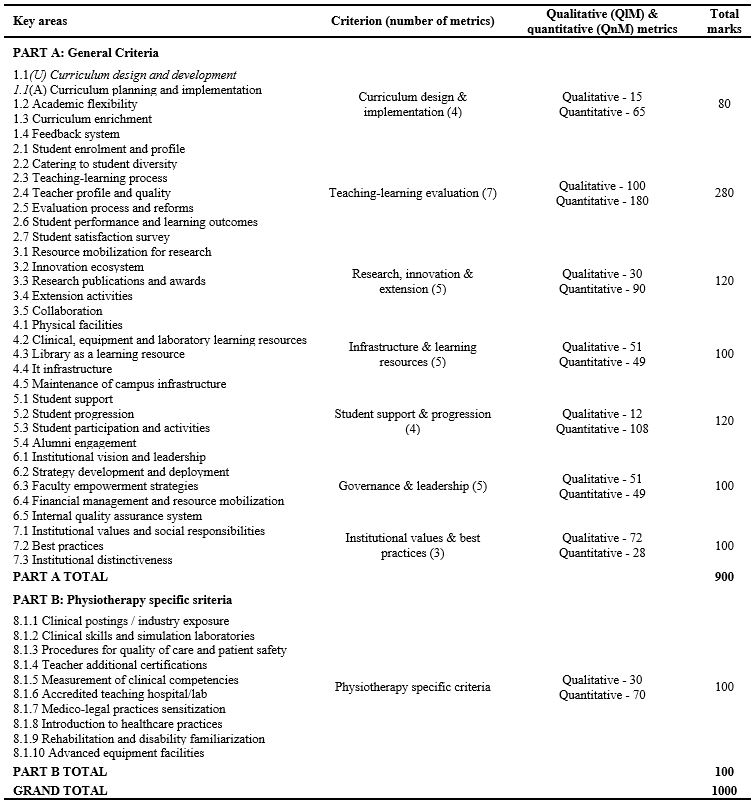
Table 1. Components of NAAC accreditation for physiotherapy colleges

Note: The National Assessment and Accreditation Council (NAAC) framework for health sciences is divided into two parts. Part A consists of generic criteria applicable to all institutions, while Part B contains profession-specific criteria.
Abbreviations: NAAC, national assessment and accreditation council; n, number; etc., et cetera.
Table 2. Criteria distribution and weightage for NAAC accreditation
A comparative review of global frameworks revealed notable differences. These included the World Federation of Medical Education (WFME), the World Confederation for Physical Therapy (WCPT), and the WHO Global Benchmarking Tool [14]. International frameworks focus on outcome-based education, longitudinal tracking of graduates, faculty development, and interprofessional work together—areas that remain underdeveloped in NAAC [15]. While NAAC is mainly input- and process-oriented, global standards emphasize graduate competencies, social accountability, and international partnerships.
Discussion
This review highlights three key dimensions: (1) NAAC provides a structured and standardized accreditation framework applicable to physiotherapy institutions; (2) faculty surveys show both awareness and persistent challenges in carrying out accreditation processes; and (3) comparative analysis shows gaps between NAAC and international benchmarks, particularly in outcome-based and competency-driven education.
The recurring challenges found, such as infrastructural deficits, faculty shortages, low research output, and procedural complexity, reflect systemic limits within Indian higher education. The survey findings highlight a discrepancy between procedural awareness and operational execution. This indicates a need for institutional capacity-building in data management, resource optimization, and research culture. Also, the commercialization of private institutions adds to variability in infrastructure quality and faculty qualifications. This ultimately affects accreditation readiness and institutional credibility [18–21].
Beyond procedural shortcomings, multiple structural challenges continue to constrain physiotherapy education in India.
The shortage of qualified faculty and difficulties in keeping skilled educators remain persistent. This needs a nationally standardized pay structure and the creation of an Indian higher educational service to prevent attrition. Funding disparities, particularly at the state and institutional levels, make inequities worse. Many colleges rely heavily on tuition fees. Accountability deficits also persist. Physiotherapy schools often struggle to align education, research, and service activities with community health needs [8–26].
The teaching-learning process is further hindered by inadequate faculty training and limited adoption of modern pedagogical approaches. This includes competency-based and interprofessional education. Innovation is constrained by rigid regulatory frameworks. These limit the development of interdisciplinary programs. Also, India's aspirations for internationalization remain underdeveloped. Curricula and research outputs are often outdated, restricting competitiveness with global higher education systems. Together, these challenges highlight the limits of a uniform accreditation framework. They underscore the need for more context-sensitive criteria [8–26].
Compared to global accreditation frameworks, NAAC remains less focused on graduate outcomes and community impact. WFME and WCPT emphasize social accountability, international exposure, and interprofessional learning. These are features that could enrich NAAC's criteria. Adoption of such benchmarks could not only elevate institutional quality but also align Indian physiotherapy education with global healthcare demands.
For policymakers, these findings highlight the urgency of tailoring accreditation frameworks to diverse institutional contexts. This is particularly important for newer and rural colleges. Strengthening faculty development, making sure of fair funding models, and making interdisciplinary programs easier are essential for long-term improvement. For institutional leaders, building robust IQAC mechanisms and fostering research culture remain critical to sustaining quality accreditation outcomes.
This review acknowledges certain limits. The survey sample was limited in size, which may constrain generalizability.
Also, the standardized nature of NAAC's framework may not well capture the contextual diversity of HEIs, particularly those in under-resourced settings. Reliance on published literature and survey data also raises the possibility of publication bias. Future work should include mixed-methods approaches, combining large-scale surveys with qualitative interviews across stakeholder groups. Longitudinal studies assessing the impact of accreditation on student performance, faculty development, and institutional outcomes would provide more robust evidence. Also, comparative research involving international accreditation frameworks could inform modifications to NAAC that better address global trends in health professions education.
Conclusion
Physiotherapy education in India is at a critical juncture. It needs simultaneous focus on accreditation, faculty development, and curricular innovation. Accreditation through NAAC offers a structured pathway to enhance quality, accountability, and international credibility. Strengthening faculty capacity through fair compensation and professional development is vital to sustaining teaching standards and accreditation readiness. Adopting competency-based curricula and fostering partnerships with clinical facilities can make sure graduates are practice-ready and aligned with evolving healthcare demands. As higher education expands, balancing growth with quality and addressing systemic challenges will be essential. This will build a resilient, globally competitive physiotherapy education system capable of meeting national and international health priorities.
Ethical considerations
Not applicable as this is a review article.
Artificial intelligence utilization for article writing
During the preparation of this work, the authors used Grammarly to check and improve grammar and language. After using this tool, the authors reviewed and edited the content as needed and took full responsibility for the publication's content.
Acknowledgment
None.
Conflict of interest statement
The authors declare that they have no known competing financial interests or personal relationships that could have appeared to influence the work reported in this paper.
Author contributions
A brief description of each author's contributions: AC, HK: Study concept and design; AC, HK: Data collection; AC, HK: Analysis and interpretation of data; AC, HK: Drafting of the manuscript; AC, HK: Critical revision
Funding
This research did not receive any specific grant from funding agencies in the public, commercial, or not-for-profit sectors.
Data availability statement
All data supporting the findings of this study are available within the article and its supplementary materials.
Background & Objective: The growing demand for qualified physiotherapists has led to the rapid creation of physiotherapy colleges across India. This highlights the need for better educational standards through accreditation. The National Assessment and Accreditation Council (NAAC), under the University Grants Commission, plays a key role in checking educational institutions. It looks at teaching methods, governance, research output, facilities, and student engagement. This systematic review aims to address the role of the NAAC accreditation process made for physiotherapy colleges, find existing barriers, and outline NAAC's vision and checking criteria.
Materials & Methods: This systematic review was done by following a structured search strategy across PubMed, Google Scholar, and ResearchGate up to 2024. From an initial pool of 106 records, 11 studies met the inclusion criteria and were combined. The search was done using keywords such as NAAC, Physiotherapy, Medical Institutes, Accreditation, Education, Quality Assurance, enhanced by Boolean operators. Articles and reports addressing NAAC accreditation and its relevance to physiotherapy and allied health education were screened and combined to capture recurring themes, challenges, and opportunities. The most common challenges found were infrastructure, funding, and resources for faculty development.
Results: The review highlights accreditation as a critical factor of institutional credibility and graduate competency. Around the world, accreditation is seen as a benchmark for educational quality. In India, physiotherapy colleges often face barriers including shortages of qualified faculty, infrastructure limits, restricted funding, and not enough international work together. Also, gaps in research culture and limited awareness of NAAC's key indicators add to uneven preparedness among institutions.
Conclusion: This narrative review is among the first to focus specifically on NAAC accreditation in Indian physiotherapy education. Accreditation is positioned as a driver for enhancing institutional quality, aligning curricula with workforce demands, and improving graduate employability. Addressing systemic barriers through policy reforms, targeted capacity building, and strengthened institutional governance will be essential to effectively embed accreditation practices. Future studies based on data are recommended to check these findings and look into strategies for sustainable quality assurance across physiotherapy programs in India.
Introduction
Physiotherapy education in India has expanded rapidly over recent decades. This reflects its growing recognition as a critical component of modern healthcare. With more than 450 physiotherapy (PT) institutions currently running, the sector plays a key role in preparing professionals to address rehabilitation needs across clinical, community, and sports contexts. However, the steep rise in the number of institutions has not always been matched by consistent improvements in quality. This results in marked disparities in educational standards across regions [1]. Making sure of high-quality training has therefore become a priority for regulatory bodies, academic stakeholders, and healthcare policymakers. The competence of physiotherapy graduates directly affects patient outcomes and the effectiveness of rehabilitation practices. Accreditation provides a structured and evidence-based way to assess and enhance educational quality [1]. In India, the National Assessment and Accreditation Council (NAAC)—set up as an autonomous body under the University Grants Commission (UGC)—has emerged as the principal authority responsible for checking higher education institutions [2–4]. NAAC's framework is distinctive compared to other national and regional accreditation mechanisms. It emphasizes not only institutional accountability but also the promotion of university excellence, continuous quality enhancement, and benchmarking against globally recognized indicators. Its multidimensional assessment criteria include curriculum design and relevance, teaching-learning processes, research productivity, faculty qualifications, infrastructure, governance, and student support systems [5, 6].
Despite its advantages, physiotherapy and medical institutions in India continue to face big hurdles in achieving NAAC accreditation [6–8].
Reported barriers include inadequate physical infrastructure, restricted clinical training opportunities, less than ideal student-faculty ratios, not enough research output, and limited investment in faculty development programs [9–13].
Social factors further complicate this landscape. Disparities in regulatory oversight, especially in states lacking physiotherapy councils, weaken uniformity in standards. Also, the growth of private colleges—though instrumental in expanding access—has intensified competition. Sometimes this prioritizes financial gain over academic rigor, thereby complicating efforts toward keeping accreditation quality.
These challenges reflect both structural and social constraints that hinder the widespread adoption of accreditation practices. Around the world, organizations such as the World Health Organization (WHO) and the World Physiotherapy stress the importance of aligning
professional education with international standards. This ensures workforce readiness and health equity [14]. These organizations advocate for the alignment of educational standards with global competencies.
This ensures that healthcare professionals are well prepared to address the evolving demands of health systems.
In the Indian context, aligning PT education with such international benchmarks will need policy reform, effective accreditation processes, and a redesign of curricula that focus on outcomes and competencies. India's health system operates under a federal structure. Physiotherapy is categorized under the Allied and Healthcare Professions by the Ministry of Health & Family Welfare [15].
For India, combining such global benchmarks into physiotherapy education will need targeted reforms. It also requires effective implementation of NAAC processes and curricula oriented toward competency-based outcomes. While the importance of NAAC accreditation is acknowledged, a complete synthesis of the specific processes, challenges, and insights relevant to physiotherapy colleges is lacking. This systematic review aims to fill this gap. It addresses the role of the NAAC accreditation process made for physiotherapy colleges, finds existing barriers, and outlines NAAC's vision and checking criteria.
Materials & Methods
Design and setting(s)
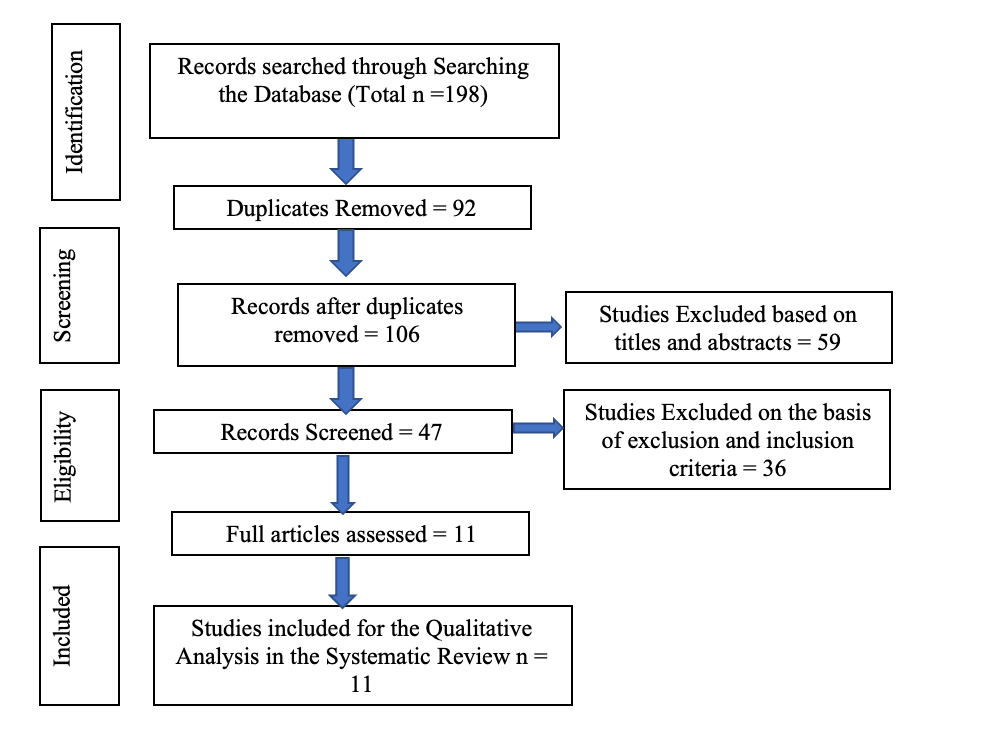
This systematic review was done in accordance with the PRISMA guidelines, as shown in Figure 1. It was designed to combine and critically check existing evidence about the National Assessment and Accreditation Council (NAAC) accreditation process in the context of physiotherapy education in India. The review specifically looked at institutional challenges, accreditation procedures, and the broader implications of accreditation on educational quality and healthcare workforce development.
Research question
The review was guided by the research question: "What are the processes and challenges of NAAC accreditation faced by physiotherapy institutes in India?"
Search strategy
The following strategy groups terms into 3 initial concepts, combining them with the "AND" operator. All searches were run with a publication date limit up to December 2024.
1. Core concept groups
Group A - Subject Focus: "Physiotherapy" OR "Physical Therapy" OR "Physiotherapy Education"
Group B - Quality/Assessment: "Accreditation" OR "Educational Quality" OR "Key Indicators" OR "Quality Assurance"
Group C - Specific Context: "NAAC" OR "Higher Education" OR "Medical Institutes"
2. Database-specific search strings
(a) PubMed: This search uses MeSH where possible, combined with free-text terms to maximize sensitivity. Search string:
(("Physical Therapy Speciality" [Mesh] OR "Physiotherapy" OR "Physical Therapy" OR "Physiotherapy Education") AND ("Accreditation" OR "Educational Quality" OR "Key Indicators" OR "Quality Assurance") AND ("NAAC" OR "Higher Education" OR "Medical Institutes")).
(b) Google scholar & ResearchGate: These platforms rely on direct keyword combinations. The search string is a direct combination of the three concept groups. Search string: (("Physiotherapy" OR "Physical Therapy" OR "Physiotherapy Education") AND ("Accreditation" OR "Educational Quality" OR "Key Indicators" OR "Quality Assurance") AND ("NAAC" OR "Higher Education" OR "Medical Institutes")).
3. Supplementary strategy
Hand-Searching: the reference lists of all included policy documents and final articles were manually hand-searched to find additional, highly relevant studies that may have been missed by the electronic search.
De-duplication: all results retrieved from the three databases were exported to citation management software for systematic removal of duplicates before screening
Eligibility criteria
Studies were eligible if they: Looked at NAAC accreditation processes, objectives, or checking criteria; Reported challenges specific to health sciences or physiotherapy institutes; and Discussed the impact of accreditation on institutional performance or healthcare education. Both qualitative, quantitative, and mixed-methods studies published in English were included. Exclusion criteria were: (a) studies without data-based or policy relevance to health sciences/physiotherapy education, (b) articles not accessible in full text, and (c) opinion pieces without methodological grounding.
Despite its advantages, physiotherapy and medical institutions in India continue to face big hurdles in achieving NAAC accreditation [6–8].
Reported barriers include inadequate physical infrastructure, restricted clinical training opportunities, less than ideal student-faculty ratios, not enough research output, and limited investment in faculty development programs [9–13].
Social factors further complicate this landscape. Disparities in regulatory oversight, especially in states lacking physiotherapy councils, weaken uniformity in standards. Also, the growth of private colleges—though instrumental in expanding access—has intensified competition. Sometimes this prioritizes financial gain over academic rigor, thereby complicating efforts toward keeping accreditation quality.
These challenges reflect both structural and social constraints that hinder the widespread adoption of accreditation practices. Around the world, organizations such as the World Health Organization (WHO) and the World Physiotherapy stress the importance of aligning
professional education with international standards. This ensures workforce readiness and health equity [14]. These organizations advocate for the alignment of educational standards with global competencies.
This ensures that healthcare professionals are well prepared to address the evolving demands of health systems.
In the Indian context, aligning PT education with such international benchmarks will need policy reform, effective accreditation processes, and a redesign of curricula that focus on outcomes and competencies. India's health system operates under a federal structure. Physiotherapy is categorized under the Allied and Healthcare Professions by the Ministry of Health & Family Welfare [15].
For India, combining such global benchmarks into physiotherapy education will need targeted reforms. It also requires effective implementation of NAAC processes and curricula oriented toward competency-based outcomes. While the importance of NAAC accreditation is acknowledged, a complete synthesis of the specific processes, challenges, and insights relevant to physiotherapy colleges is lacking. This systematic review aims to fill this gap. It addresses the role of the NAAC accreditation process made for physiotherapy colleges, finds existing barriers, and outlines NAAC's vision and checking criteria.
Materials & Methods
Design and setting(s)
This systematic review was done in accordance with the PRISMA guidelines, as shown in Figure 1. It was designed to combine and critically check existing evidence about the National Assessment and Accreditation Council (NAAC) accreditation process in the context of physiotherapy education in India. The review specifically looked at institutional challenges, accreditation procedures, and the broader implications of accreditation on educational quality and healthcare workforce development.
Research question
The review was guided by the research question: "What are the processes and challenges of NAAC accreditation faced by physiotherapy institutes in India?"
Search strategy
The following strategy groups terms into 3 initial concepts, combining them with the "AND" operator. All searches were run with a publication date limit up to December 2024.
1. Core concept groups
Group A - Subject Focus: "Physiotherapy" OR "Physical Therapy" OR "Physiotherapy Education"
Group B - Quality/Assessment: "Accreditation" OR "Educational Quality" OR "Key Indicators" OR "Quality Assurance"
Group C - Specific Context: "NAAC" OR "Higher Education" OR "Medical Institutes"
2. Database-specific search strings
(a) PubMed: This search uses MeSH where possible, combined with free-text terms to maximize sensitivity. Search string:
(("Physical Therapy Speciality" [Mesh] OR "Physiotherapy" OR "Physical Therapy" OR "Physiotherapy Education") AND ("Accreditation" OR "Educational Quality" OR "Key Indicators" OR "Quality Assurance") AND ("NAAC" OR "Higher Education" OR "Medical Institutes")).
(b) Google scholar & ResearchGate: These platforms rely on direct keyword combinations. The search string is a direct combination of the three concept groups. Search string: (("Physiotherapy" OR "Physical Therapy" OR "Physiotherapy Education") AND ("Accreditation" OR "Educational Quality" OR "Key Indicators" OR "Quality Assurance") AND ("NAAC" OR "Higher Education" OR "Medical Institutes")).
3. Supplementary strategy
Hand-Searching: the reference lists of all included policy documents and final articles were manually hand-searched to find additional, highly relevant studies that may have been missed by the electronic search.
De-duplication: all results retrieved from the three databases were exported to citation management software for systematic removal of duplicates before screening
Eligibility criteria
Studies were eligible if they: Looked at NAAC accreditation processes, objectives, or checking criteria; Reported challenges specific to health sciences or physiotherapy institutes; and Discussed the impact of accreditation on institutional performance or healthcare education. Both qualitative, quantitative, and mixed-methods studies published in English were included. Exclusion criteria were: (a) studies without data-based or policy relevance to health sciences/physiotherapy education, (b) articles not accessible in full text, and (c) opinion pieces without methodological grounding.
Figure 1. PRISMA flowchart
Study selection process
All records found were screened in two stages. Titles and abstracts were first independently reviewed by two researchers to figure out relevance. Full texts of potentially eligible studies were then retrieved and assessed for inclusion. Disagreements were resolved by consensus or the involvement of a third reviewer.
Results
Our search yielded 11 studies, comprising 5 research articles, 4 guidelines/policy documents, and 2 internet sources, with a particular emphasis on physiotherapy institutions in India, as shown in Figure 1.
The included works covered both descriptive accounts of the National Assessment and Accreditation Council (NAAC) framework and survey-based studies looking into institutional and faculty perspectives.
The NAAC framework: key components for physiotherapy
The NAAC, set up in 1994 by the University Grants Commission, functions as an autonomous agency for assessing and accrediting higher education institutions (HEIs) across India [7].
The framework emphasizes formative quality improvement rather than punitive checking.
It is guided by five core values: national development, global competencies, value inculcation, technological use, and pursuit of excellence. Accreditation is given through a Cumulative Grade Point Average (CGPA) system ranging from A++ to C. Institutions falling below the threshold get a "Not Accredited" status as shown in Figures 2 & 3 [16].
The accreditation process is started through institutional self-study and the preparation of a Self-Study Report (SSR), then followed by external peer review. Eligibility requirements include a minimum of six years of institutional operation or two graduating student cohorts. There is also data submission to the All India Survey on Higher Education (AISHE) [5, 7].
These features collectively position NAAC as a complete quality assurance system with broader applicability to professional education, including physiotherapy. Within physiotherapy institutions, assessment uses a dual framework:
Part A covering general health sciences education, and Part B checking discipline-specific components such as
clinical training, internships, and professional readiness, as mentioned in Tables 1 & 2. The Internal Quality Assurance Cell (IQAC) plays a key role in continuous monitoring and in making sure of adherence to post-accreditation recommendations [6].
Perceived benefits of accreditation
Accredited institutions consistently reported enhanced credibility, better student enrollment, and access to UGC and RUSA funding schemes [16, 17].
Institutions getting consecutive "A" grades across three cycles benefited from extended accreditation validity. This underscores the institutional value of sustained quality assurance.
Perceived challenges: evidence from the literature
Quality assurance in higher education faces big pressure from the rise of distance learning and the commercialization of private institutions. This often leads to underqualified faculty, fewer resources and funding, difficulty meeting evolving community expectations, and inadequate infrastructure. Global cooperation is essential to address these issues.
Medical and physiotherapy education must meet 21st-century health needs, but they struggle with outdated curricula and weak quality assurance. NAAC's uniform criteria overlooked institutional differences.
Also, strict regulatory guidelines hinder the creation of interdisciplinary programs and internationalization efforts [4–9].
Faculty perspectives: findings from the 2024 survey
A cross-sectional survey done in 2024 among physiotherapy faculty members provided insight into
institutional awareness and implementation challenges related to NAAC accreditation.
Although all participants reported awareness of the accreditation process, only 75% showed familiarity with its procedural requirements [9].
Notably, only one-quarter of respondents were employed in NAAC-accredited institutions. This reflects disparities in accreditation uptake. Respondents identified data collection and analysis as the most big procedural hurdles. Other often cited challenges included limited infrastructural resources, low research productivity, and inadequate awareness of evolving NAAC guidelines [9].Recommendations emerging from the survey emphasized the need for more inclusive and transparent processes.
This includes structured feedback from students, alumni, and industry stakeholders. The findings also highlighted the impact of commercialization within private institutions, leading to deficiencies in infrastructure and faculty quality [18].
Results
Our search yielded 11 studies, comprising 5 research articles, 4 guidelines/policy documents, and 2 internet sources, with a particular emphasis on physiotherapy institutions in India, as shown in Figure 1.
The included works covered both descriptive accounts of the National Assessment and Accreditation Council (NAAC) framework and survey-based studies looking into institutional and faculty perspectives.
The NAAC framework: key components for physiotherapy
The NAAC, set up in 1994 by the University Grants Commission, functions as an autonomous agency for assessing and accrediting higher education institutions (HEIs) across India [7].
The framework emphasizes formative quality improvement rather than punitive checking.
It is guided by five core values: national development, global competencies, value inculcation, technological use, and pursuit of excellence. Accreditation is given through a Cumulative Grade Point Average (CGPA) system ranging from A++ to C. Institutions falling below the threshold get a "Not Accredited" status as shown in Figures 2 & 3 [16].
The accreditation process is started through institutional self-study and the preparation of a Self-Study Report (SSR), then followed by external peer review. Eligibility requirements include a minimum of six years of institutional operation or two graduating student cohorts. There is also data submission to the All India Survey on Higher Education (AISHE) [5, 7].
These features collectively position NAAC as a complete quality assurance system with broader applicability to professional education, including physiotherapy. Within physiotherapy institutions, assessment uses a dual framework:
Part A covering general health sciences education, and Part B checking discipline-specific components such as
clinical training, internships, and professional readiness, as mentioned in Tables 1 & 2. The Internal Quality Assurance Cell (IQAC) plays a key role in continuous monitoring and in making sure of adherence to post-accreditation recommendations [6].
Perceived benefits of accreditation
Accredited institutions consistently reported enhanced credibility, better student enrollment, and access to UGC and RUSA funding schemes [16, 17].
Institutions getting consecutive "A" grades across three cycles benefited from extended accreditation validity. This underscores the institutional value of sustained quality assurance.
Perceived challenges: evidence from the literature
Quality assurance in higher education faces big pressure from the rise of distance learning and the commercialization of private institutions. This often leads to underqualified faculty, fewer resources and funding, difficulty meeting evolving community expectations, and inadequate infrastructure. Global cooperation is essential to address these issues.
Medical and physiotherapy education must meet 21st-century health needs, but they struggle with outdated curricula and weak quality assurance. NAAC's uniform criteria overlooked institutional differences.
Also, strict regulatory guidelines hinder the creation of interdisciplinary programs and internationalization efforts [4–9].
Faculty perspectives: findings from the 2024 survey
A cross-sectional survey done in 2024 among physiotherapy faculty members provided insight into
institutional awareness and implementation challenges related to NAAC accreditation.
Although all participants reported awareness of the accreditation process, only 75% showed familiarity with its procedural requirements [9].
Notably, only one-quarter of respondents were employed in NAAC-accredited institutions. This reflects disparities in accreditation uptake. Respondents identified data collection and analysis as the most big procedural hurdles. Other often cited challenges included limited infrastructural resources, low research productivity, and inadequate awareness of evolving NAAC guidelines [9].Recommendations emerging from the survey emphasized the need for more inclusive and transparent processes.
This includes structured feedback from students, alumni, and industry stakeholders. The findings also highlighted the impact of commercialization within private institutions, leading to deficiencies in infrastructure and faculty quality [18].
Figure 2. Process for NAAC accreditation
Abbreviations: IQAC, internal quality assurance cell; NAAC, national assessment and accreditation council; SAR, self-assessment report.
Figure 3. Steps involved in the process of getting NAAC accreditation
Abbreviations: DVV, data validation and verification; HEI, higher education institute; IIQA, institutional information for quality assessment; NAAC, national assessment and accreditation council; SSR, self-study report; SSS, student satisfaction survey.
Table 1. Components of NAAC accreditation for physiotherapy colleges
Note: The National Assessment and Accreditation Council (NAAC) framework for health sciences is divided into two parts. Part A consists of generic criteria applicable to all institutions, while Part B contains profession-specific criteria.
Abbreviations: NAAC, national assessment and accreditation council; n, number; etc., et cetera.
Table 2. Criteria distribution and weightage for NAAC accreditation
Note: This table presents the detailed framework for the National Assessment and Accreditation Council (NAAC) accreditation of physiotherapy colleges, showing the distribution of qualitative and quantitative metrics across key criteria. Part A consists of generic institutional criteria, while Part B contains profession-specific criteria for physiotherapy.
Abbreviations: NAAC, national assessment and accreditation council; QlM, qualitative metrics; QnM, quantitative metrics; BPT, bachelor of physiotherapy.
Comparative context: international accreditation standardsAbbreviations: NAAC, national assessment and accreditation council; QlM, qualitative metrics; QnM, quantitative metrics; BPT, bachelor of physiotherapy.
A comparative review of global frameworks revealed notable differences. These included the World Federation of Medical Education (WFME), the World Confederation for Physical Therapy (WCPT), and the WHO Global Benchmarking Tool [14]. International frameworks focus on outcome-based education, longitudinal tracking of graduates, faculty development, and interprofessional work together—areas that remain underdeveloped in NAAC [15]. While NAAC is mainly input- and process-oriented, global standards emphasize graduate competencies, social accountability, and international partnerships.
Discussion
This review highlights three key dimensions: (1) NAAC provides a structured and standardized accreditation framework applicable to physiotherapy institutions; (2) faculty surveys show both awareness and persistent challenges in carrying out accreditation processes; and (3) comparative analysis shows gaps between NAAC and international benchmarks, particularly in outcome-based and competency-driven education.
The recurring challenges found, such as infrastructural deficits, faculty shortages, low research output, and procedural complexity, reflect systemic limits within Indian higher education. The survey findings highlight a discrepancy between procedural awareness and operational execution. This indicates a need for institutional capacity-building in data management, resource optimization, and research culture. Also, the commercialization of private institutions adds to variability in infrastructure quality and faculty qualifications. This ultimately affects accreditation readiness and institutional credibility [18–21].
Beyond procedural shortcomings, multiple structural challenges continue to constrain physiotherapy education in India.
The shortage of qualified faculty and difficulties in keeping skilled educators remain persistent. This needs a nationally standardized pay structure and the creation of an Indian higher educational service to prevent attrition. Funding disparities, particularly at the state and institutional levels, make inequities worse. Many colleges rely heavily on tuition fees. Accountability deficits also persist. Physiotherapy schools often struggle to align education, research, and service activities with community health needs [8–26].
The teaching-learning process is further hindered by inadequate faculty training and limited adoption of modern pedagogical approaches. This includes competency-based and interprofessional education. Innovation is constrained by rigid regulatory frameworks. These limit the development of interdisciplinary programs. Also, India's aspirations for internationalization remain underdeveloped. Curricula and research outputs are often outdated, restricting competitiveness with global higher education systems. Together, these challenges highlight the limits of a uniform accreditation framework. They underscore the need for more context-sensitive criteria [8–26].
Compared to global accreditation frameworks, NAAC remains less focused on graduate outcomes and community impact. WFME and WCPT emphasize social accountability, international exposure, and interprofessional learning. These are features that could enrich NAAC's criteria. Adoption of such benchmarks could not only elevate institutional quality but also align Indian physiotherapy education with global healthcare demands.
For policymakers, these findings highlight the urgency of tailoring accreditation frameworks to diverse institutional contexts. This is particularly important for newer and rural colleges. Strengthening faculty development, making sure of fair funding models, and making interdisciplinary programs easier are essential for long-term improvement. For institutional leaders, building robust IQAC mechanisms and fostering research culture remain critical to sustaining quality accreditation outcomes.
This review acknowledges certain limits. The survey sample was limited in size, which may constrain generalizability.
Also, the standardized nature of NAAC's framework may not well capture the contextual diversity of HEIs, particularly those in under-resourced settings. Reliance on published literature and survey data also raises the possibility of publication bias. Future work should include mixed-methods approaches, combining large-scale surveys with qualitative interviews across stakeholder groups. Longitudinal studies assessing the impact of accreditation on student performance, faculty development, and institutional outcomes would provide more robust evidence. Also, comparative research involving international accreditation frameworks could inform modifications to NAAC that better address global trends in health professions education.
Conclusion
Physiotherapy education in India is at a critical juncture. It needs simultaneous focus on accreditation, faculty development, and curricular innovation. Accreditation through NAAC offers a structured pathway to enhance quality, accountability, and international credibility. Strengthening faculty capacity through fair compensation and professional development is vital to sustaining teaching standards and accreditation readiness. Adopting competency-based curricula and fostering partnerships with clinical facilities can make sure graduates are practice-ready and aligned with evolving healthcare demands. As higher education expands, balancing growth with quality and addressing systemic challenges will be essential. This will build a resilient, globally competitive physiotherapy education system capable of meeting national and international health priorities.
Ethical considerations
Not applicable as this is a review article.
Artificial intelligence utilization for article writing
During the preparation of this work, the authors used Grammarly to check and improve grammar and language. After using this tool, the authors reviewed and edited the content as needed and took full responsibility for the publication's content.
Acknowledgment
None.
Conflict of interest statement
The authors declare that they have no known competing financial interests or personal relationships that could have appeared to influence the work reported in this paper.
Author contributions
A brief description of each author's contributions: AC, HK: Study concept and design; AC, HK: Data collection; AC, HK: Analysis and interpretation of data; AC, HK: Drafting of the manuscript; AC, HK: Critical revision
Funding
This research did not receive any specific grant from funding agencies in the public, commercial, or not-for-profit sectors.
Data availability statement
All data supporting the findings of this study are available within the article and its supplementary materials.
Editorial: Short Communication |
Subject:
Medical Education
Received: 2025/06/9 | Accepted: 2025/11/17 | Published: 2025/11/19
Received: 2025/06/9 | Accepted: 2025/11/17 | Published: 2025/11/19
References
1. Duarte N, Vardasca R. Literature review of accreditation systems in higher education. Education Sciences. 2023;13(6):582. [ [DOI:10.3390/educsci13060582]]
2. National Assessment and Accreditation Council. Health science universities manual [PDF]. [Online]. Available from: http://www.naac.gov.in/images/docs/Manuals/Health-Science-Universities-25-11-2020_2.pdf [Accessed: May 29, 2025]. [http://www.naac.gov.in/images/docs/Manuals/Health-Science-Universities-25-11-2020_2.pdf]
3. Pillai KNM, Srinivas G, Madhusudananpillai KN. A study of the post-accreditation scenario in the North Eastern Region of India: A meta-evaluation of the National Assessment and Accreditation Council processes and procedures. Quality in Higher Education. 2006;12(2):95–106.
4. Lyndem B, De UK. Education in North East India: Experience and challenge. New Delhi: Concept Publishing Company; 2004.
5. University Grants Commission (India). Quality mandate e-book [PDF]. [Online]. Available from: https://www.ugc.gov.in/e-book/Quality%20Mandate%20E-BOOK.pdf [Accessed: May 29, 2025]. [https://www.ugc.gov.in/e-book/Quality%20Mandate%20E-BOOK.pdf]
6. National Assessment and Accreditation Council. Revised autonomous colleges manual [PDF]. [Online]. Available from: http://naac.gov.in/images/docs/Manuals/Revised-Autonomous-Manual-as-on-24-2-2020_1.pdf [Accessed: May 29, 2025]. [http://naac.gov.in/images/docs/Manuals/Revised-Autonomous-Manual-as-on-24-2-2020_1.pdf]
7. Doddaiah S, Bhat D, Hathur B, et al. Assessment and accreditation of a medical college by National Assessment and Accreditation Council: An overview. International Journal of Advanced Medicine. 2020;7(2):354–360.
8. Supe A, Burdick WP. Challenges and issues in medical education in India. Academic Medicine. 2006;81(12):1076–1080.
9. Avi C, Kaushik H. National Assessment and Accreditation Council: Awareness & perception of physiotherapy faculty. VIMS Journal of Physical Therapy. 2024;6(2):70–74. [ [DOI:10.46858/VIMSJPT.6211]]
10. Majumder MAA, Haque M, Razzaque MS. Editorial: Trends and challenges of medical education in the changing academic and public health environment of the 21st century. Frontiers in Communication. 2023;8:1153764. [ [DOI:10.3389/fcomm.2023.1153764]]
11. Torres-Calixto MG. Trends and challenges of medical education. Revista de la Facultad de Medicina. 2021;69(3):e84330. [ [DOI:10.15446/revfacmed.v69n3.84330]]
12. Majumder AA, D’Souza U, Rahman S. Trends in medical education: Challenges and directions for need-based reforms of medical training in South-East Asia. Indian Journal of Medical Sciences. 2004;58(9):369–380.
13. Saxena V, Kulshreshta S, Khan B. Higher education and research in India. International Journal of Educational Research and Technology. 2010;1(1):97–106.
14. World Physiotherapy. Standards of physical therapy practice guideline [PDF]. [Online]. Available from: https://world.physio/sites/default/files/2020-07/G-2011-Standards-practice.pdf [Accessed: May 29, 2025]. [https://world.physio/sites/default/files/2020-07/G-2011-Standards-practice.pdf]
15. Ministry of Health and Family Welfare. Model curriculum handbook: Physiotherapy [PDF]. [Online]. Available from: https://mohfw.gov.in/sites/default/files/Model%20Curriculum%20Handbook_PT_11%20September%202017%20%28Final%29.pdf [Accessed: May 29, 2025]. [https://mohfw.gov.in/sites/default/files/Model%20Curriculum%20Handbook_PT_11%20September%202017%20%28Final%29.pdf]
16. Kumar S. NAAC - An overview, top NAAC colleges and universities, benefits, grading system. College Dekho. [Online]. Available from: https://www.collegedekho.com/articles/national-assessment-and-accreditation-council-naac [Accessed: May 29, 2025]. [https://www.collegedekho.com/articles/national-assessment-and-accreditation-council-naac]
17. National Assessment and Accreditation Council. Home. [Online]. Available from: http://naac.gov.in/index.php/en/ [Accessed: May 29, 2025]. [http://naac.gov.in/index.php/en/]
18. Thakur P. NAAC: Accreditation, quality education, issues & challenges. [Online]. Available
19. Thibault GE. The future of health professions education: Emerging trends in the United States. FASEB BioAdvances. 2020;2(8):685–694. [ [DOI:10.1096/fba.2020-00061]]
20. Wartman SA. The empirical challenge of 21st-century medical education. Academic Medicine. 2019;94(10):1412–1415. [ [DOI:10.1097/ACM.0000000000002866]]
21. Boniol M, Kunjumen T, Nair TS, et al. The global health workforce stock and distribution in 2020 and 2030: A threat to equity and 'universal' health coverage? BMJ Global Health. 2022;7:e009316. [ [DOI:10.1136/bmjgh-2022-009316]]
22. Waghmare L, Srivastava T, Tankhiwale S. Quality assurance in medical schools of rural India: The seven strategic challenges. Indian Journal of Applied Research. 2011;4:9–11. [ [DOI:10.15373/2249555X/FEB2014/107]]
23. Agarwal P. Higher education in India: The need for change (Working Paper No. 80). Indian Council for Research on International Economic Relations; 2006. [ [DOI:10.2139/ssrn.963888]]
24. Educational Commission for Foreign Medical Graduates, World Health Organization. Improving the social responsiveness of medical schools. Academic Medicine. 1999;74(8 Suppl):S1–S74.
25. Medical Council of India. Website. [Online]. Available from: http://www.mciindia.org/ [Accessed: May 29, 2025]. [http://www.mciindia.org/]
26. Mitra SK. Internationalization of education in India: Emerging trends and strategies. Asian Social Science. 2010;6(6):3–12.
Send email to the article author
| Rights and permissions | |
 |
This work is licensed under a Creative Commons Attribution-NonCommercial 4.0 International License. |