Tue, Sep 22, 2026
[Archive]
Volume 18, Issue 3 (2025)
J Med Edu Dev 2025, 18(3): 35-46 |
Back to browse issues page


Ethics code: IR.TUMS.FNM.REC.1400.039


Download citation:
BibTeX | RIS | EndNote | Medlars | ProCite | Reference Manager | RefWorks
Send citation to:


BibTeX | RIS | EndNote | Medlars | ProCite | Reference Manager | RefWorks
Send citation to:
Mohammadi A, Geranmayeh M, Bahrami-Vazir E. The effect of WebQuest-based education on the level of critical thinking, self-efficacy, and satisfaction of midwifery students: a quasi-experimental study. J Med Edu Dev 2025; 18 (3) :35-46
URL: http://edujournal.zums.ac.ir/article-1-2423-en.html
URL: http://edujournal.zums.ac.ir/article-1-2423-en.html

1- Department of Reproductive Health and Midwifery, Nursing and Midwifery Care Research Center, School of Nursing and Midwifery, Iran University of Medical Sciences, Tehran, Iran
2- Department of Reproductive Health, Faculty of Nursing and Midwifery, Tehran University of Medical Sciences, Tehran, Iran
3- Department of Midwifery, Faculty of Nursing and Midwifery, Ilam University of Medical Sciences, Ilam, Islamic Republic of Iran ,bahramivazir2541@yahoo.com
2- Department of Reproductive Health, Faculty of Nursing and Midwifery, Tehran University of Medical Sciences, Tehran, Iran
3- Department of Midwifery, Faculty of Nursing and Midwifery, Ilam University of Medical Sciences, Ilam, Islamic Republic of Iran ,
Full-Text [PDF 549 kb]
(573 Downloads)
| Abstract (HTML) (1451 Views)
Full-Text: (87 Views)
Abstract
Background & Objective: WebQuest uses online resources to teach, encourage critical thinking, and self-efficacy. Critical thinking leads to answers by studying new and old information. Self-efficacy is a person’s belief in their ability to do a specific task and affects thinking and performance. The present study aimed to look into the effect of WebQuest-based education on critical thinking, self-efficacy, and teaching satisfaction in midwifery students.
Materials & Methods: This semi-experimental study was done on 34 undergraduate midwifery students at Tehran University of Medical Sciences. Students were taught the first 8 sessions of the class using the lecture method and the next 8 sessions using WebQuest. Before the carry out of WebQuest, students filled in socio-demographic and academic questionnaires, the critical thinking disposition scale, and the General Sherer self-efficacy scale. At the end of the first 8 sessions, the first WebQuest session started in week 9. At the end of the second 8 sessions, students filled in the first set of questionnaires again along with the teaching satisfaction questionnaire. Data analysis was done using SPSS statistical software.
Results: WebQuest-based education did not show a statistically important difference in critical thinking compared to before the intervention (p = 0.299), and showed an important increase only in the perfection and maturity subscale (p = 0.001). Self-efficacy showed an important increase compared to before the intervention (p < 0.001). The intervention also led to an important increase in self-efficacy (p < 0.001). The results of satisfaction with teaching showed that the level of learning stability was moderate to low in 70.6% of the students. More than half of the students (55.9%) were willing to attend the class again, and 58.8% were not willing to take other courses in this way.
Conclusion: The results showed that WebQuest teaching improved students’ self-efficacy but was not effective on critical thinking. It is suggested that teachers use this method in class.
Introduction
In this study, the researcher (first author), who acted as the instructor, received the necessary training on carrying out the educational protocols and effective teaching methods before starting the study. This training included becoming familiar with the educational content, practicing activity implementation, and receiving feedback from educational experts.
To carry out the study, students were first taught by the researcher (course instructor) using the usual lecture method for eight weeks in the Pregnancy and Childbirth 3 course.
Immediately after the first eight weeks, the same students received WebQuest-based education for the next eight weeks of the semester.
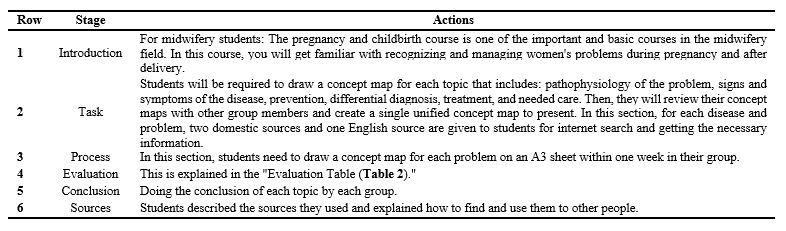
To ensure that all aspects of this educational approach were followed (standardization), all six steps (introduction, task, process, evaluation, conclusion, and resources) were carefully designed and implemented (Table 1).
During both interventions, checklists were used to evaluate adherence to the educational protocols. These checklists included questions about covering the full educational content, correctly carrying out activities, using appropriate teaching methods, and managing time effectively. The researchers regularly completed and reviewed these checklists to ensure the proper implementation of the interventions.
In the first part, Introduction, a brief explanation about the topic was provided, and the goals of the lesson were presented. In the Task section, the assigned task for students was clearly explained, and approved resources for review were introduced.
Then, in the Process section, what was expected from the students at the end of the task, instructions for completing it, and a small portion of the required content were explained. The evaluation method was communicated to the students from the first session (Table 2).
Table 2. Evaluation criteria for WebQuest-based presentations

Educational sessions were randomly observed by another researcher to watch adherence to protocols and the quality of instruction delivered by the researcher. The detailed scores for each section were determined by the research team. In the Conclusion section, the findings of each group were first discussed within the group, and the course instructor led the discussions.
For each group, a WhatsApp group was created with the participation of the same group members. Students asked questions and shared feedback, and the instructor supervised and guided the discussions as needed. Then, one group member who acted as the group leader presented the findings in collaboration with other members.
In the Resources section, students described the sources they used and explained to others how they found and applied them. Each topic in WebQuest education and its different aspects took about a week to complete.
At the end of the second eight-week period, during the last session, students in both groups completed the CTDA and GSES for the second time and the teaching satisfaction questionnaire for the first time (Figure 1).
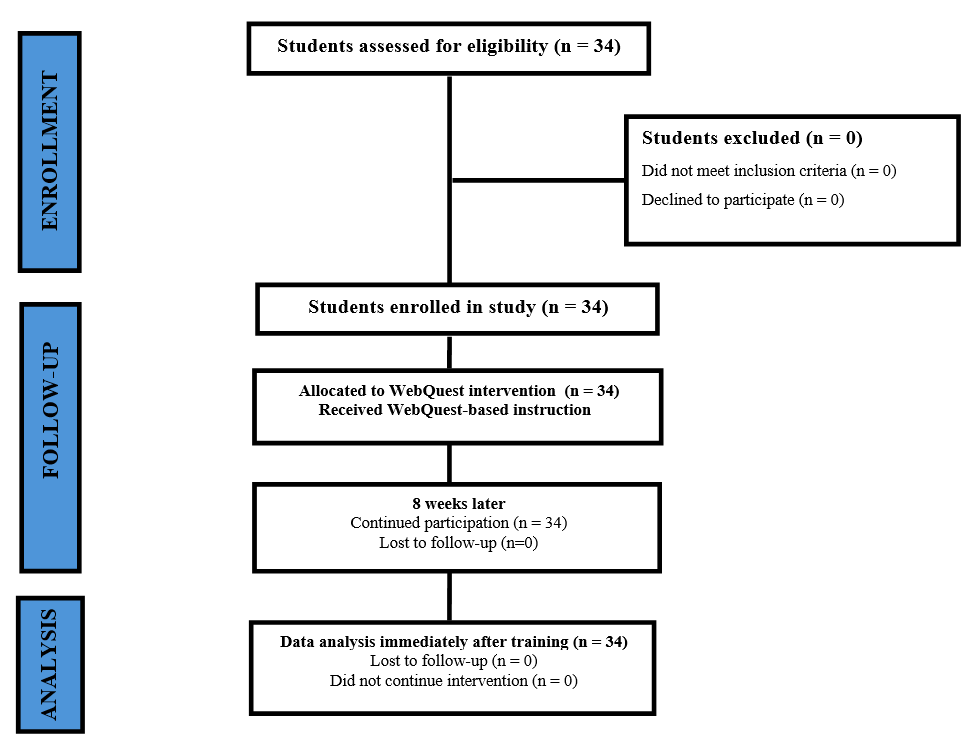
Figure 1. Flowchart of progress of webquest and lecture groups
Data analysis
Data analysis was done using SPSS version 22, and results were expressed with descriptive statistics including frequency (percent) and mean (standard deviation).
The normality of quantitative data was checked using the Skewness and Kurtosis tests. Since the data were normal, the paired t-test was used to compare means (standard deviation) before and after the intervention, and p<0.05 was considered significant.
Also, to check the strength and statistical importance of differences, Effect Size was calculated and interpreted based on Cohen’s d.
Results
The study included 34 students in both the lecture and WebQuest groups. All participants completed the study, and the response rate was 100%. The mean ± standard deviation (SD) age was 20.70 ± 0.79 years. More than half of the students, 55.9% (19 students), lived with their families, and none had a history of dismissal or academic probation (Table 3).
Table 3. Demographic characteristics of students (n = 34)
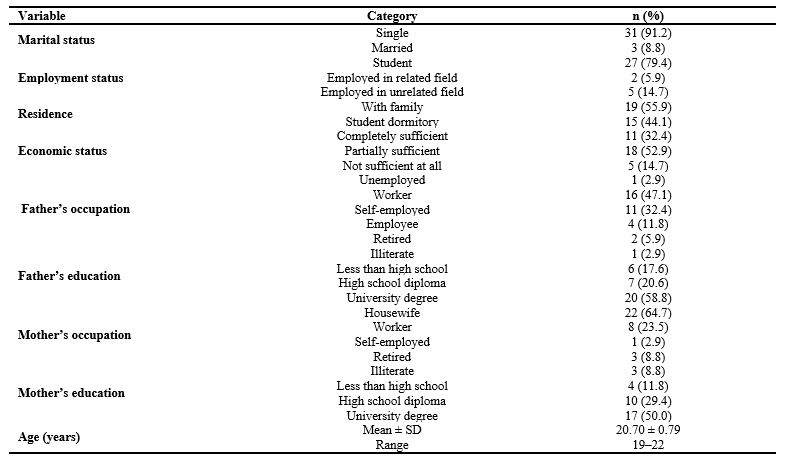
Table 4. Pre- and post-intervention scores of critical thinking disposition and self-efficacy among midwifery students (n = 34)

Note: Paired t-test was used to compare pre- and post-intervention means. Cohen’s d was calculated to indicate effect size.
Abbreviations: SD, standard deviation; GSES, General Self-Efficacy Scale; CTDA, Critical Thinking Disposition Assessment; Sig, statistical significance; p, probability-value.
Table 5. Midwifery students’ satisfaction with webquest-based teaching (n = 34)
.JPG)
Insufficient knowledge of WebQuest and web search skills are cognitive barriers that prevent effective information processing and, consequently, the development of critical thinking.
On the other hand, the focus on perfection/maturity may indicate that students focused more on aspects of task completion and accuracy (which can be reinforced from a behaviorist perspective) rather than on the process of deep thinking. Moreover, the lack of effect on creativity/innovation and participation in group discussions aligns with social learning and constructivist theories, as these theories stress the importance of social interactions and discussion for developing higher-level skills. It seems that WebQuest alone could not provide the necessary interactive and analytical environment, which, along with weak basic skills, prevented the overall development of critical thinking.
In line with this finding, the review study by Sak and Kobak Demir in 2024 also points out that WebQuest, despite involving collaborative and active learning aimed at improving critical and creative thinking, in some cases did not achieve these goals [9]. Moreover, the study by Calgin et al. in Turkey, which compared math teaching to sixth-grade students using WebQuest and the regular method, did not show a significant difference in critical thinking compared to before the intervention [40]. This result is consistent with the findings of the present study. An important point in both studies (Calgin et al., and the present study) is the short duration of the educational intervention (4 weeks in Calgin’s study and 8 weeks in the present study). This may indicate that developing and improving critical thinking skills requires a longer process, and the time limitation in both studies prevented the full development of critical thinking.
In contrast, the results of Najafi et al. in Shiraz, which compared learning ECG interpretation with WebQuest and lecture methods in nursing students, showed that the average learning score in the WebQuest group was significantly higher than in the lecture group [41]. Similarly, the study by Bansal et al. in India also found WebQuest to be effective in improving critical thinking, reporting that the average critical thinking score after the intervention was significantly higher than before [28].
The lack of consistency between these results and the findings of the present study may be due to several reasons, such as differences in research settings, the level of students’ internet skills, and their previous experience in using digital tools. In addition, the nature of the assigned tasks, which was not described in detail in some studies, may also have influenced the outcomes.
From a cognitivist perspective, weakness in basic skills (internet, searching) may block deep processing of information and critical analysis. The focus on perfectionism may be because of an emphasis on the “completion” of tasks, which fits with behaviorism (reinforcing accuracy), rather than with critical thinking. Moreover, the lack of effect on creativity and group participation is consistent with social learning and constructivist theories, which stress the importance of interaction and discussion in developing higher-level skills. It seems that the shortage of such interactions, together with weak initial skills, prevented WebQuest from reaching its full potential in improving overall critical thinking.
The rise of computer technologies and concepts such as computer literacy has created major changes in educational settings, and there is a positive and important relationship between computer literacy skills and the use of electronic resources in educational environments [41]. However, even with access to electronic resources, sometimes there is no willingness to use these systems, which can lead to a gap between those willing and unwilling to use them. So, paying attention to the factors that play a role in people’s resistance to accepting and using computer and internet systems can have positive effects in this area [42].
The present study showed that active WebQuest-based education, compared to the traditional lecture method, was not effective in improving the critical thinking of midwifery students. This finding is in line with other studies; for example, Silverthorn, by comparing lecture and active methods, pointed out that active methods are not always successful because they may face student resistance and teachers’ reluctance to use new methods [5]. Also, the study by Mottaghi et al. did not find a difference between lecture and active computer-based methods in the short term [43]. It seems that no single teaching method alone can take students to the highest level of learning. These results may be due to weaknesses in the methods themselves, the nature of the teaching content, or the limited opportunity students had for deep learning of the material [41].
WebQuest-based active education is built on the theory of constructivist learning. According to this theory, the learner builds knowledge through experience and interaction with the environment, looks for problems, asks questions, studies and solves problems, and builds new knowledge on top of previous learning [44]. The “Pregnancy and Childbirth” course, which was the subject of this study, is a practical course where proper learning needs practice, repetition, and direct patient care. Since students faced this subject for the first time and had no direct clinical experience with pregnancy and childbirth topics before the intervention, the lack of improvement in critical thinking compared to the lecture method is expected. In addition, the 8-week period considered for this intervention may not have been enough to gain the needed skills in this subject. The large amount of course content and lack of hands-on practice also probably affected these results.
The findings of the present study showed a statistically significant increase in self-efficacy of midwifery students after the WebQuest-based educational intervention. This result is in line with previous studies. González-Prida et al. in Peru showed that the effective use of technology and digital communication, including the internet and computers, in learning, knowledge sharing, and problem-solving in higher education led to improved academic performance and self-efficacy of students [20]. Abdelhalim in Egypt, in a study aimed at checking the effect of WebQuest-based education on the self-efficacy of biology student teachers, also reported a meaningful effect of this method [45]. Rakerda et al. in Indonesia, in research that looked into the effect of making posters using PowerPoint in an online environment through WebQuest, reported improvement in students’ self-efficacy in learning English content and information technology skills [46]. Overall, these results show the positive effect of WebQuest-based education on self-efficacy of learners in different educational fields and are consistent with the findings of the present study.
The results related to teaching satisfaction showed that more than half of the students were willing to attend the class again and to take part in such classes. In the study by Badleh and Sabati in Gorgan, the effect of WebQuest-based teaching on the satisfaction of student teachers in the instructional design course was checked, and this method led to an increase in students’ teaching satisfaction [4]. In the study by Shahin and Baturay in Turkey, which looked into the effect of the e-learning model with WebQuest media on students’ progress and satisfaction, this method raised the satisfaction score of students above the average [22]. These results are consistent with the present study and show that learners were satisfied with WebQuest-based teaching. Probably the use of the internet and searching for information across a wide range of sources increased students’ satisfaction.
In the present study, more than half of the students were not willing to take other courses in this way, and most of the students reported their learning stability as moderate or low. The study by Yang in Taiwan, which aimed to check the effect of using WebQuest on teaching mathematics concepts to students and its impact on satisfaction with learning, showed higher learning satisfaction with WebQuest compared to the traditional method [47], which is not in line with the present study. The difference in learning satisfaction may be due to the difference in the nature of the courses. Since WebQuest includes principles of learning and cognitive problem-solving activities, and mathematics has an analytical and problem-based nature [9], WebQuest may have led to higher learning in mathematics. In contrast, midwifery courses, especially pregnancy and childbirth, have a more clinical nature. Also, in the present study, learning stability was reported as moderate or low, which may explain the lack of students’ willingness to take other courses in this way.
One of the strengths of the present study was the lack of similar research among midwifery students. The weaknesses included the long time needed to familiarize learners with the WebQuest-based teaching method; some students did not have enough knowledge about using computers and web resources, and completing some assignments using the WebQuest method required more time than the class period. Moreover, due to limited access to computers and the internet, students could not complete tasks outside the classroom.
Other limitations of the present study include the difference in content delivered in the traditional and WebQuest sessions, which may have affected the results. In addition, because the number of midwifery students was low, the census method was used to select participants, which can be considered a limitation. Another major limitation was the single-group pretest-posttest design, which may affect the internal validity of the results. This design is vulnerable to factors such as time trends, regression to the mean, and uncontrolled confounding variables. To reduce the effect of interfering factors, efforts were made to maintain consistent study conditions during the intervention, deliver the intervention according to standard protocols, and collect data at specified and similar times. However, the absence of a simultaneous control group limits the ability to make causal inferences, and the findings should be interpreted with caution.
Conclusion
The results of the present study showed that the WebQuest-based teaching intervention in the "Pregnancy and Childbirth" course had a positive effect on the self-efficacy of midwifery students, but it did not affect overall critical thinking, with a significant increase observed only in the perfection and maturity subscale. More than half of the students were willing to attend the class again and participate in similar classes, but learning stability was moderate to low, and over half of the students were unwilling to take other courses using this method.
WebQuest-based teaching can be considered by instructors to improve self-efficacy and class participation, but regarding its effect on critical thinking, further studies in other midwifery courses or clinical fields are recommended.
To enhance WebQuest-based teaching in midwifery education, it is suggested that, before the intervention, all students receive training in WebQuest methods, computer skills, and web resources. Also, because WebQuest-based teaching may take longer than traditional methods, future studies should consider longer duration and more sessions for WebQuest interventions compared to traditional teaching.
It should be noted that the content delivered in traditional and WebQuest sessions was different; therefore, future studies with two or more groups should be designed to address this educational limitation. Furthermore, conducting studies with larger sample sizes and using sampling methods other than census in midwifery and other clinical disciplines is recommended.
Ethical considerations
This study was conducted among fifth-semester midwifery students at Tehran University of Medical Sciences from February 2023 to June 2023, after obtaining approval from the Ethics Committee (IR.TUMS.FNM.REC.1400.039) of the Vice-Chancellery for Research and Technology at Tehran University of Medical Sciences and receiving an official introduction from the Vice-Chancellery for Research of the School of Nursing and Midwifery.
Artificial intelligence utilization for article writing
The authors confirm that Artificial Intelligence (AI) or AI-based technologies were not used in the writing process of this article.
Acknowledgment
The researchers thank all the students who participated in this study.
Conflict of interest statement
There were no conflicts of interest in this study.
Author contributions
AM was responsible for conceptualization and study design, data collection, data analysis, and drafting and revising the manuscript, while AB contributed to data analysis, manuscript preparation, and revision.
Funding
This study was funded by the Research Center of the School of Nursing and Midwifery, Tehran University of Medical Sciences, Iran (Grant No. 52715).
Data availability statement
The data used in this study are available from the corresponding author upon request.
Background & Objective: WebQuest uses online resources to teach, encourage critical thinking, and self-efficacy. Critical thinking leads to answers by studying new and old information. Self-efficacy is a person’s belief in their ability to do a specific task and affects thinking and performance. The present study aimed to look into the effect of WebQuest-based education on critical thinking, self-efficacy, and teaching satisfaction in midwifery students.
Materials & Methods: This semi-experimental study was done on 34 undergraduate midwifery students at Tehran University of Medical Sciences. Students were taught the first 8 sessions of the class using the lecture method and the next 8 sessions using WebQuest. Before the carry out of WebQuest, students filled in socio-demographic and academic questionnaires, the critical thinking disposition scale, and the General Sherer self-efficacy scale. At the end of the first 8 sessions, the first WebQuest session started in week 9. At the end of the second 8 sessions, students filled in the first set of questionnaires again along with the teaching satisfaction questionnaire. Data analysis was done using SPSS statistical software.
Results: WebQuest-based education did not show a statistically important difference in critical thinking compared to before the intervention (p = 0.299), and showed an important increase only in the perfection and maturity subscale (p = 0.001). Self-efficacy showed an important increase compared to before the intervention (p < 0.001). The intervention also led to an important increase in self-efficacy (p < 0.001). The results of satisfaction with teaching showed that the level of learning stability was moderate to low in 70.6% of the students. More than half of the students (55.9%) were willing to attend the class again, and 58.8% were not willing to take other courses in this way.
Conclusion: The results showed that WebQuest teaching improved students’ self-efficacy but was not effective on critical thinking. It is suggested that teachers use this method in class.
Introduction
Critical thinking is a cognitive approach for studying and looking at experiences. In this process, new and old information are organized to create new answers for new situations [1].
There is a direct relationship between critical thinking and academic success, and improving critical thinking is a global goal in student education [2, 3]. No teaching method is absolutely better than others, but active methods, which involve students more in learning, are preferred over passive methods [4, 5]. For example, lecture is one of the most common teaching strategies and it leads to learning. However, because it is teacher-centered, it makes students passive and prevents the growth of higher levels of thinking and cognition [6].
For this reason, other approaches, such as the use of computer networks, have been considered. Computer networks have made distance education possible and replaced traditional classrooms. The internet, as an information source, increases student take part in the learning process and allows them to benefit from interaction and shared study with one another [7].
Different methods have been created for using the internet in education. One of these approaches is WebQuest, in which students interactively work with information from the internet, and online resources are introduced as the main learning sources [8]. WebQuest includes principles of learning and cognitive activities such as problem-solving, thinking, and checking situations. It also supports active learning and encourages motivation [9]. It is learner-centered and based on effortful activities, which help improve critical thinking and problem-solving skills [10]. If WebQuest-based education is used effectively, it can help students learn how to ask proper questions, find and gather suitable evidence, do a systematic study, analyze and explain results, make conclusions, and check the value and importance of findings [11]. Although WebQuest has been rarely used in medical education, in similar studies students described WebQuest as a very good and positive learning experience and noted that it allowed them to become familiar with the perspectives of other students. In fact, WebQuest is a self-directed learning method and one of the most well-known educational approaches [12, 13]. Lahaie stated in his article that WebQuest makes easier effective learning and improves thinking skills in analysis, synthesis, checking, and judgment [14]. Hamze Khani and colleagues also noted computer-based education as one method for increasing self-efficacy [15]. Based on Bandura’s cognitive and social theory, self-efficacy is a person’s belief in their ability to do a specific task, and it affects thinking, feelings, and performance [16]. It leads people to prefer doing tasks in which they feel confident. If people feel unable to do an activity, they avoid it [17]. Self-efficacy beliefs directly affect the amount of energy spent on activities and the resistance against obstacles, and self-efficacy plays an important role in academic progress and better performance [18].
On the other hand, teaching methods that lead to deep processing and goal orientation can improve self-efficacy [19]. In this area, the effect of computer- and internet-based teaching on self-efficacy has been partly studied [20]. However, the effect of WebQuest-based education on the self-efficacy of midwifery students has not yet been studied.
Different teaching methods, including WebQuest and traditional teaching, have different effects on students’ satisfaction with teaching and may lead to either positive or negative impacts on their satisfaction [21]. Learners’ satisfaction with WebQuest-based education may have a positive effect on learning [4] and on achieving academic success [22].
There is no clear agreement on the best teaching approach to strengthen critical thinking in students [23], and there is relatively little information on the effectiveness of active learning strategies in improving critical thinking. Considering that one of the main goals of midwifery education programs is to teach critical thinking to students and prepare them for work in clinical settings [24], it seems that using participation-based and internet-based approaches can increase clinical judgment skills in nursing students [25]. On the other hand, although relatively few studies have looked into WebQuest-based teaching [26–28], most of these studies were carried out among students in different secondary school levels. Unfortunately, based on the sources available to us, the existing studies on the use of this method in medical sciences are very limited. In addition, the possible role of using this teaching–learning method on the critical thinking of medical students has been mostly overlooked. Therefore, the researchers decided to do a semi-experimental study to look into the effect of WebQuest-based education on the level of critical thinking, self-efficacy, and teaching satisfaction of midwifery students, so that the results of this study could be used as a basis for improving the learning process in midwifery education and other clinical fields.
Materials & Methods
Design and setting(s)
This semi-experimental study used a one-group pre-test–post-test design [29] and was conducted from 11 February 2023 to 15 June 2023. This type of design is one of the common methods in interventional studies and quality improvement research in applied health sciences, especially when randomization or the use of a control group is not possible for ethical or practical reasons [30].
The main aim of this design is to examine changes in a single group before and after the intervention, which can reduce the effect of between-group confounding factors. Although the absence of a control group is one of the limitations of this design, it allows the carry out of interventions in real educational settings in a practical and applicable way.
Participants and sampling
Fifth-semester undergraduate midwifery students who
were taking the Pregnancy and Childbirth III course were selected for participation in the study. Due to the small number of students, sampling was done as a census, and all fifth-semester midwifery students, totaling 34, who
met the eligibility criteria were included in the study (Figure 1).
The inclusion criteria were: being enrolled in the School of Nursing and Midwifery at Tehran University, and not having previously taken the course due to reasons such as failing the relevant course. The exclusion criteria were: unwillingness to continue the class, transferring, or attending another university as a guest student.
Tools/Instruments
In this study, the following tools were used: a researcher-made socio-demographic and academic characteristics questionnaire, the Critical Thinking Disposition Assessment (CTDA) scale by Ricketts, the Sherer Self-Efficacy Questionnaire, and a teaching satisfaction questionnaire. Socio-Demographic and Academic Questionnaire.
This questionnaire included two sections: socio-demographic information and academic characteristics. The socio-demographic section had 8 questions about age, marital status, employment, place of birth, place of residence, and economic status. The academic section included history of course failure or conditional enrollment.
Critical Thinking Disposition Assessment Scale (CTDA): The CTDA was designed by Ricketts in 2003. It is a self-assessment tool with 33 items and three subscales: Innovation and Creativity (11 items), Perfection and Maturity (9 items), and Intellectual Engagement and Commitment (13 items).
Responses are scored as: strongly disagree = 1, disagree = 2, not sure = 3, agree = 4, strongly agree = 5. Items (2, 12, 15, 19, 23, 30, 32, 33) are reverse-scored. The total possible score ranges from 33 to 165, with a mean of 99. The subscale Innovation and Creativity ranges from 11 to 55 (mean = 33), Perfection and Maturity from 9 to 45 (mean = 27), and Intellectual Engagement and Commitment from 13 to 65 (mean = 39) [31].
For comparison, mean scores are interpreted as 0.50 for moderate level and 0.70 for desirable level [32]. In Iran, Pakmehr and colleagues confirmed the validity and reliability of this questionnaire using factor analysis and Cronbach’s alpha [33].
In the present study, the reliability of the questionnaire was obtained with a Cronbach’s alpha of 0.78.
Sherer General Self-Efficacy Questionnaire (GSES): The GSES includes 17 questions. Each question is scored on a Likert scale from strongly disagree to strongly agree, with scores ranging from 1 to 5. Items 1, 3, 8, 9, 13, and 15 are scored from right to left (scores from 5 to 1), while the remaining items are reverse-scored from left to right (scores from 1 to 5). The maximum possible score is 85 and the minimum is 17. Higher scores indicate stronger self-efficacy, and lower scores indicate weaker self-efficacy [34]. Scores are categorized into three groups: weak self-efficacy (17–40), moderate (40–65), and good (above 65) [35]. The validity and reliability of this scale have been confirmed in Iran. In the study by Safari and colleagues, validity and reliability were confirmed using internal consistency, test–retest methods, and Cronbach’s alpha, which was 0.83 [36]. In the present study, the overall Cronbach’s alpha for the tool was 0.92, with a range of 0.84 to 0.93.
Teaching Satisfaction Questionnaire: To measure teaching satisfaction, the Shokur et al. questionnaire [37] was used. It includes 6 questions about: the level of learning related to the presented topic, learning stability, willingness to attend the class, willingness to use the WebQuest method in other classes, willingness to take this type of class again, and whether the class was a waste of time. Questions on the level of learning and learning stability are answered with options: excellent, good, moderate, poor, and questions on willingness to attend the class, use WebQuest in other classes, take similar classes again, and class being a waste of time are answered with yes, somewhat, no. In the present study, none of the students chose “somewhat.” The interpretation of the questionnaire is based on the answers to each question separately. Face and content validity and reliability with average Cronbach’s alpha had been confirmed in the study by Haqqani [38]. In the present study, due to the small number of questions, instead of Cronbach’s alpha, the mean inter-item correlation was used, which was 0.21
and considered acceptable. Briggs and Cheek indicate that the optimal level of homogeneity occurs when the mean inter-item correlation is between 0.2 and 0.4 [39].
Intervention/Educational method
To carry out the study, the list of students enrolled in the course (undergraduate midwifery students taking Pregnancy and Childbirth 3, 5th semester) was obtained from the faculty office. The researcher attended the Pregnancy and Childbirth 3 class and provided information about the study to eligible students who wanted to take part. Students were informed that participation was voluntary, and informed consent was obtained from the volunteers. Two days before starting the intervention, participants completed the socio-demographic and academic questionnaire, the CTDA questionnaire, and the self-efficacy questionnaire. The Pregnancy and Childbirth 3 course is a two-credit course in the midwifery curriculum in Iran. Therefore, in the
first half of the course (first 8 weeks), teaching was done using the usual lecture method, and in the second half (next 8 weeks), it was done using the WebQuest-based method for the same students.To ensure consistent delivery of WebQuest education to all participants, a standardized approach was used. Educational content, activities, and evaluation methods were designed based on scientific evidence, and learning objectives were set for each session.
Teaching materials were prepared in a standard format and provided to all participants, and the same teaching methods were used for everyone. Session durations were fixed, and a similar learning environment was provided for all participants. Clear instructions were given, and standardized assessments were used to check learning (Table 1).
Table 1. Stages and Activities of WebQuest-Based EducationThere is a direct relationship between critical thinking and academic success, and improving critical thinking is a global goal in student education [2, 3]. No teaching method is absolutely better than others, but active methods, which involve students more in learning, are preferred over passive methods [4, 5]. For example, lecture is one of the most common teaching strategies and it leads to learning. However, because it is teacher-centered, it makes students passive and prevents the growth of higher levels of thinking and cognition [6].
For this reason, other approaches, such as the use of computer networks, have been considered. Computer networks have made distance education possible and replaced traditional classrooms. The internet, as an information source, increases student take part in the learning process and allows them to benefit from interaction and shared study with one another [7].
Different methods have been created for using the internet in education. One of these approaches is WebQuest, in which students interactively work with information from the internet, and online resources are introduced as the main learning sources [8]. WebQuest includes principles of learning and cognitive activities such as problem-solving, thinking, and checking situations. It also supports active learning and encourages motivation [9]. It is learner-centered and based on effortful activities, which help improve critical thinking and problem-solving skills [10]. If WebQuest-based education is used effectively, it can help students learn how to ask proper questions, find and gather suitable evidence, do a systematic study, analyze and explain results, make conclusions, and check the value and importance of findings [11]. Although WebQuest has been rarely used in medical education, in similar studies students described WebQuest as a very good and positive learning experience and noted that it allowed them to become familiar with the perspectives of other students. In fact, WebQuest is a self-directed learning method and one of the most well-known educational approaches [12, 13]. Lahaie stated in his article that WebQuest makes easier effective learning and improves thinking skills in analysis, synthesis, checking, and judgment [14]. Hamze Khani and colleagues also noted computer-based education as one method for increasing self-efficacy [15]. Based on Bandura’s cognitive and social theory, self-efficacy is a person’s belief in their ability to do a specific task, and it affects thinking, feelings, and performance [16]. It leads people to prefer doing tasks in which they feel confident. If people feel unable to do an activity, they avoid it [17]. Self-efficacy beliefs directly affect the amount of energy spent on activities and the resistance against obstacles, and self-efficacy plays an important role in academic progress and better performance [18].
On the other hand, teaching methods that lead to deep processing and goal orientation can improve self-efficacy [19]. In this area, the effect of computer- and internet-based teaching on self-efficacy has been partly studied [20]. However, the effect of WebQuest-based education on the self-efficacy of midwifery students has not yet been studied.
Different teaching methods, including WebQuest and traditional teaching, have different effects on students’ satisfaction with teaching and may lead to either positive or negative impacts on their satisfaction [21]. Learners’ satisfaction with WebQuest-based education may have a positive effect on learning [4] and on achieving academic success [22].
There is no clear agreement on the best teaching approach to strengthen critical thinking in students [23], and there is relatively little information on the effectiveness of active learning strategies in improving critical thinking. Considering that one of the main goals of midwifery education programs is to teach critical thinking to students and prepare them for work in clinical settings [24], it seems that using participation-based and internet-based approaches can increase clinical judgment skills in nursing students [25]. On the other hand, although relatively few studies have looked into WebQuest-based teaching [26–28], most of these studies were carried out among students in different secondary school levels. Unfortunately, based on the sources available to us, the existing studies on the use of this method in medical sciences are very limited. In addition, the possible role of using this teaching–learning method on the critical thinking of medical students has been mostly overlooked. Therefore, the researchers decided to do a semi-experimental study to look into the effect of WebQuest-based education on the level of critical thinking, self-efficacy, and teaching satisfaction of midwifery students, so that the results of this study could be used as a basis for improving the learning process in midwifery education and other clinical fields.
Materials & Methods
Design and setting(s)
This semi-experimental study used a one-group pre-test–post-test design [29] and was conducted from 11 February 2023 to 15 June 2023. This type of design is one of the common methods in interventional studies and quality improvement research in applied health sciences, especially when randomization or the use of a control group is not possible for ethical or practical reasons [30].
The main aim of this design is to examine changes in a single group before and after the intervention, which can reduce the effect of between-group confounding factors. Although the absence of a control group is one of the limitations of this design, it allows the carry out of interventions in real educational settings in a practical and applicable way.
Participants and sampling
Fifth-semester undergraduate midwifery students who
were taking the Pregnancy and Childbirth III course were selected for participation in the study. Due to the small number of students, sampling was done as a census, and all fifth-semester midwifery students, totaling 34, who
met the eligibility criteria were included in the study (Figure 1).
The inclusion criteria were: being enrolled in the School of Nursing and Midwifery at Tehran University, and not having previously taken the course due to reasons such as failing the relevant course. The exclusion criteria were: unwillingness to continue the class, transferring, or attending another university as a guest student.
Tools/Instruments
In this study, the following tools were used: a researcher-made socio-demographic and academic characteristics questionnaire, the Critical Thinking Disposition Assessment (CTDA) scale by Ricketts, the Sherer Self-Efficacy Questionnaire, and a teaching satisfaction questionnaire. Socio-Demographic and Academic Questionnaire.
This questionnaire included two sections: socio-demographic information and academic characteristics. The socio-demographic section had 8 questions about age, marital status, employment, place of birth, place of residence, and economic status. The academic section included history of course failure or conditional enrollment.
Critical Thinking Disposition Assessment Scale (CTDA): The CTDA was designed by Ricketts in 2003. It is a self-assessment tool with 33 items and three subscales: Innovation and Creativity (11 items), Perfection and Maturity (9 items), and Intellectual Engagement and Commitment (13 items).
Responses are scored as: strongly disagree = 1, disagree = 2, not sure = 3, agree = 4, strongly agree = 5. Items (2, 12, 15, 19, 23, 30, 32, 33) are reverse-scored. The total possible score ranges from 33 to 165, with a mean of 99. The subscale Innovation and Creativity ranges from 11 to 55 (mean = 33), Perfection and Maturity from 9 to 45 (mean = 27), and Intellectual Engagement and Commitment from 13 to 65 (mean = 39) [31].
For comparison, mean scores are interpreted as 0.50 for moderate level and 0.70 for desirable level [32]. In Iran, Pakmehr and colleagues confirmed the validity and reliability of this questionnaire using factor analysis and Cronbach’s alpha [33].
In the present study, the reliability of the questionnaire was obtained with a Cronbach’s alpha of 0.78.
Sherer General Self-Efficacy Questionnaire (GSES): The GSES includes 17 questions. Each question is scored on a Likert scale from strongly disagree to strongly agree, with scores ranging from 1 to 5. Items 1, 3, 8, 9, 13, and 15 are scored from right to left (scores from 5 to 1), while the remaining items are reverse-scored from left to right (scores from 1 to 5). The maximum possible score is 85 and the minimum is 17. Higher scores indicate stronger self-efficacy, and lower scores indicate weaker self-efficacy [34]. Scores are categorized into three groups: weak self-efficacy (17–40), moderate (40–65), and good (above 65) [35]. The validity and reliability of this scale have been confirmed in Iran. In the study by Safari and colleagues, validity and reliability were confirmed using internal consistency, test–retest methods, and Cronbach’s alpha, which was 0.83 [36]. In the present study, the overall Cronbach’s alpha for the tool was 0.92, with a range of 0.84 to 0.93.
Teaching Satisfaction Questionnaire: To measure teaching satisfaction, the Shokur et al. questionnaire [37] was used. It includes 6 questions about: the level of learning related to the presented topic, learning stability, willingness to attend the class, willingness to use the WebQuest method in other classes, willingness to take this type of class again, and whether the class was a waste of time. Questions on the level of learning and learning stability are answered with options: excellent, good, moderate, poor, and questions on willingness to attend the class, use WebQuest in other classes, take similar classes again, and class being a waste of time are answered with yes, somewhat, no. In the present study, none of the students chose “somewhat.” The interpretation of the questionnaire is based on the answers to each question separately. Face and content validity and reliability with average Cronbach’s alpha had been confirmed in the study by Haqqani [38]. In the present study, due to the small number of questions, instead of Cronbach’s alpha, the mean inter-item correlation was used, which was 0.21
and considered acceptable. Briggs and Cheek indicate that the optimal level of homogeneity occurs when the mean inter-item correlation is between 0.2 and 0.4 [39].
Intervention/Educational method
To carry out the study, the list of students enrolled in the course (undergraduate midwifery students taking Pregnancy and Childbirth 3, 5th semester) was obtained from the faculty office. The researcher attended the Pregnancy and Childbirth 3 class and provided information about the study to eligible students who wanted to take part. Students were informed that participation was voluntary, and informed consent was obtained from the volunteers. Two days before starting the intervention, participants completed the socio-demographic and academic questionnaire, the CTDA questionnaire, and the self-efficacy questionnaire. The Pregnancy and Childbirth 3 course is a two-credit course in the midwifery curriculum in Iran. Therefore, in the
first half of the course (first 8 weeks), teaching was done using the usual lecture method, and in the second half (next 8 weeks), it was done using the WebQuest-based method for the same students.To ensure consistent delivery of WebQuest education to all participants, a standardized approach was used. Educational content, activities, and evaluation methods were designed based on scientific evidence, and learning objectives were set for each session.
Teaching materials were prepared in a standard format and provided to all participants, and the same teaching methods were used for everyone. Session durations were fixed, and a similar learning environment was provided for all participants. Clear instructions were given, and standardized assessments were used to check learning (Table 1).
In this study, the researcher (first author), who acted as the instructor, received the necessary training on carrying out the educational protocols and effective teaching methods before starting the study. This training included becoming familiar with the educational content, practicing activity implementation, and receiving feedback from educational experts.
To carry out the study, students were first taught by the researcher (course instructor) using the usual lecture method for eight weeks in the Pregnancy and Childbirth 3 course.
Immediately after the first eight weeks, the same students received WebQuest-based education for the next eight weeks of the semester.
To ensure that all aspects of this educational approach were followed (standardization), all six steps (introduction, task, process, evaluation, conclusion, and resources) were carefully designed and implemented (Table 1).
During both interventions, checklists were used to evaluate adherence to the educational protocols. These checklists included questions about covering the full educational content, correctly carrying out activities, using appropriate teaching methods, and managing time effectively. The researchers regularly completed and reviewed these checklists to ensure the proper implementation of the interventions.
In the first part, Introduction, a brief explanation about the topic was provided, and the goals of the lesson were presented. In the Task section, the assigned task for students was clearly explained, and approved resources for review were introduced.
Then, in the Process section, what was expected from the students at the end of the task, instructions for completing it, and a small portion of the required content were explained. The evaluation method was communicated to the students from the first session (Table 2).
Table 2. Evaluation criteria for WebQuest-based presentations
Educational sessions were randomly observed by another researcher to watch adherence to protocols and the quality of instruction delivered by the researcher. The detailed scores for each section were determined by the research team. In the Conclusion section, the findings of each group were first discussed within the group, and the course instructor led the discussions.
For each group, a WhatsApp group was created with the participation of the same group members. Students asked questions and shared feedback, and the instructor supervised and guided the discussions as needed. Then, one group member who acted as the group leader presented the findings in collaboration with other members.
In the Resources section, students described the sources they used and explained to others how they found and applied them. Each topic in WebQuest education and its different aspects took about a week to complete.
At the end of the second eight-week period, during the last session, students in both groups completed the CTDA and GSES for the second time and the teaching satisfaction questionnaire for the first time (Figure 1).
Figure 1. Flowchart of progress of webquest and lecture groups
Data analysis
Data analysis was done using SPSS version 22, and results were expressed with descriptive statistics including frequency (percent) and mean (standard deviation).
The normality of quantitative data was checked using the Skewness and Kurtosis tests. Since the data were normal, the paired t-test was used to compare means (standard deviation) before and after the intervention, and p<0.05 was considered significant.
Also, to check the strength and statistical importance of differences, Effect Size was calculated and interpreted based on Cohen’s d.
Results
The study included 34 students in both the lecture and WebQuest groups. All participants completed the study, and the response rate was 100%. The mean ± standard deviation (SD) age was 20.70 ± 0.79 years. More than half of the students, 55.9% (19 students), lived with their families, and none had a history of dismissal or academic probation (Table 3).
Table 3. Demographic characteristics of students (n = 34)
Note: Data are presented as number (percentage) unless otherwise indicated.
Abbreviations: n, number of participants; SD, standard deviation; %, percentage.
Abbreviations: n, number of participants; SD, standard deviation; %, percentage.
The results of the educational intervention showed that WebQuest-based education did not have a statistically significant effect on critical thinking disposition (p = 0.299).
A statistically significant increase was observed only in the Perfection/Maturity subscale (p = 0.001). Before and after the intervention, the means ± SD of the subscales were: 1) Innovation/Creativity: 22.23 ± 6.93 before vs. 22.85 ± 6.86 after, with Cohen’s d = -0.09, no significant difference. 2) Engagement/Commitment: 27.17 ± 8.49 before vs. 27.80 ± 8.37 after, with Cohen’s d = -0.075, no significant difference (p = 0.91 and 0.61, respectively). In the self-efficacy subscale, the mean ±
SD of participants’ scores significantly increased after the intervention (47.29 ± 7.68 before vs. 63.50 ± 9.80 after). The calculated effect size was Cohen’s d = 1.84, indicating a very large effect of the intervention on self-efficacy (Table 4). The percentage (frequency) of students’ satisfaction with WebQuest-based teaching showed that more than half of the students, 55.9% (19 students), were willing to attend the class, and 52.9% (18 students) were willing to take other courses in this way. The stability of learning was moderate or low in 70.6% (24 students). 58.8% (20 students) of the students were unwilling to teach other subjects using this method (Table 5).
A statistically significant increase was observed only in the Perfection/Maturity subscale (p = 0.001). Before and after the intervention, the means ± SD of the subscales were: 1) Innovation/Creativity: 22.23 ± 6.93 before vs. 22.85 ± 6.86 after, with Cohen’s d = -0.09, no significant difference. 2) Engagement/Commitment: 27.17 ± 8.49 before vs. 27.80 ± 8.37 after, with Cohen’s d = -0.075, no significant difference (p = 0.91 and 0.61, respectively). In the self-efficacy subscale, the mean ±
SD of participants’ scores significantly increased after the intervention (47.29 ± 7.68 before vs. 63.50 ± 9.80 after). The calculated effect size was Cohen’s d = 1.84, indicating a very large effect of the intervention on self-efficacy (Table 4). The percentage (frequency) of students’ satisfaction with WebQuest-based teaching showed that more than half of the students, 55.9% (19 students), were willing to attend the class, and 52.9% (18 students) were willing to take other courses in this way. The stability of learning was moderate or low in 70.6% (24 students). 58.8% (20 students) of the students were unwilling to teach other subjects using this method (Table 5).
Table 4. Pre- and post-intervention scores of critical thinking disposition and self-efficacy among midwifery students (n = 34)
Note: Paired t-test was used to compare pre- and post-intervention means. Cohen’s d was calculated to indicate effect size.
Abbreviations: SD, standard deviation; GSES, General Self-Efficacy Scale; CTDA, Critical Thinking Disposition Assessment; Sig, statistical significance; p, probability-value.
Table 5. Midwifery students’ satisfaction with webquest-based teaching (n = 34)
Abbreviations: n, number of participants; %, percentage; Sig, statistical significance.
Discussion
In the present study, the effect of WebQuest-based education on critical thinking, self-efficacy, and satisfaction of midwifery students was examined. WebQuest-based education had a significant effect on self-efficacy and the perfection/maturity subscale of critical thinking, and it led to satisfaction with teaching. However, it did not affect the overall critical thinking disposition score or the innovation/creativity and mental engagement/commitment subscales.
Since no previous study was found on the effect of WebQuest-based education on critical thinking, self-efficacy, and teaching satisfaction in midwifery students,
the discussion focused on other educational groups. The findings of this study showed that WebQuest-based education did not cause a significant change in students’ overall critical thinking disposition, but it led to a significant increase in the perfection/maturity subscale. This lack of overall effect on critical thinking may be due to factors such as insufficient knowledge of some students about WebQuest, computer use skills, or web search skills. These factors likely affected students’ creativity/innovation and participation in group discussions, preventing an overall improvement in critical thinking through WebQuest.
In the present study, the effect of WebQuest-based education on critical thinking, self-efficacy, and satisfaction of midwifery students was examined. WebQuest-based education had a significant effect on self-efficacy and the perfection/maturity subscale of critical thinking, and it led to satisfaction with teaching. However, it did not affect the overall critical thinking disposition score or the innovation/creativity and mental engagement/commitment subscales.
Since no previous study was found on the effect of WebQuest-based education on critical thinking, self-efficacy, and teaching satisfaction in midwifery students,
the discussion focused on other educational groups. The findings of this study showed that WebQuest-based education did not cause a significant change in students’ overall critical thinking disposition, but it led to a significant increase in the perfection/maturity subscale. This lack of overall effect on critical thinking may be due to factors such as insufficient knowledge of some students about WebQuest, computer use skills, or web search skills. These factors likely affected students’ creativity/innovation and participation in group discussions, preventing an overall improvement in critical thinking through WebQuest.
From a cognitive perspective, this finding may indicate that although WebQuest provides information, it did not effectively activate deeper mental processes such as critical analysis or evaluation of resources.
Insufficient knowledge of WebQuest and web search skills are cognitive barriers that prevent effective information processing and, consequently, the development of critical thinking.
On the other hand, the focus on perfection/maturity may indicate that students focused more on aspects of task completion and accuracy (which can be reinforced from a behaviorist perspective) rather than on the process of deep thinking. Moreover, the lack of effect on creativity/innovation and participation in group discussions aligns with social learning and constructivist theories, as these theories stress the importance of social interactions and discussion for developing higher-level skills. It seems that WebQuest alone could not provide the necessary interactive and analytical environment, which, along with weak basic skills, prevented the overall development of critical thinking.
In line with this finding, the review study by Sak and Kobak Demir in 2024 also points out that WebQuest, despite involving collaborative and active learning aimed at improving critical and creative thinking, in some cases did not achieve these goals [9]. Moreover, the study by Calgin et al. in Turkey, which compared math teaching to sixth-grade students using WebQuest and the regular method, did not show a significant difference in critical thinking compared to before the intervention [40]. This result is consistent with the findings of the present study. An important point in both studies (Calgin et al., and the present study) is the short duration of the educational intervention (4 weeks in Calgin’s study and 8 weeks in the present study). This may indicate that developing and improving critical thinking skills requires a longer process, and the time limitation in both studies prevented the full development of critical thinking.
In contrast, the results of Najafi et al. in Shiraz, which compared learning ECG interpretation with WebQuest and lecture methods in nursing students, showed that the average learning score in the WebQuest group was significantly higher than in the lecture group [41]. Similarly, the study by Bansal et al. in India also found WebQuest to be effective in improving critical thinking, reporting that the average critical thinking score after the intervention was significantly higher than before [28].
The lack of consistency between these results and the findings of the present study may be due to several reasons, such as differences in research settings, the level of students’ internet skills, and their previous experience in using digital tools. In addition, the nature of the assigned tasks, which was not described in detail in some studies, may also have influenced the outcomes.
From a cognitivist perspective, weakness in basic skills (internet, searching) may block deep processing of information and critical analysis. The focus on perfectionism may be because of an emphasis on the “completion” of tasks, which fits with behaviorism (reinforcing accuracy), rather than with critical thinking. Moreover, the lack of effect on creativity and group participation is consistent with social learning and constructivist theories, which stress the importance of interaction and discussion in developing higher-level skills. It seems that the shortage of such interactions, together with weak initial skills, prevented WebQuest from reaching its full potential in improving overall critical thinking.
The rise of computer technologies and concepts such as computer literacy has created major changes in educational settings, and there is a positive and important relationship between computer literacy skills and the use of electronic resources in educational environments [41]. However, even with access to electronic resources, sometimes there is no willingness to use these systems, which can lead to a gap between those willing and unwilling to use them. So, paying attention to the factors that play a role in people’s resistance to accepting and using computer and internet systems can have positive effects in this area [42].
The present study showed that active WebQuest-based education, compared to the traditional lecture method, was not effective in improving the critical thinking of midwifery students. This finding is in line with other studies; for example, Silverthorn, by comparing lecture and active methods, pointed out that active methods are not always successful because they may face student resistance and teachers’ reluctance to use new methods [5]. Also, the study by Mottaghi et al. did not find a difference between lecture and active computer-based methods in the short term [43]. It seems that no single teaching method alone can take students to the highest level of learning. These results may be due to weaknesses in the methods themselves, the nature of the teaching content, or the limited opportunity students had for deep learning of the material [41].
WebQuest-based active education is built on the theory of constructivist learning. According to this theory, the learner builds knowledge through experience and interaction with the environment, looks for problems, asks questions, studies and solves problems, and builds new knowledge on top of previous learning [44]. The “Pregnancy and Childbirth” course, which was the subject of this study, is a practical course where proper learning needs practice, repetition, and direct patient care. Since students faced this subject for the first time and had no direct clinical experience with pregnancy and childbirth topics before the intervention, the lack of improvement in critical thinking compared to the lecture method is expected. In addition, the 8-week period considered for this intervention may not have been enough to gain the needed skills in this subject. The large amount of course content and lack of hands-on practice also probably affected these results.
The findings of the present study showed a statistically significant increase in self-efficacy of midwifery students after the WebQuest-based educational intervention. This result is in line with previous studies. González-Prida et al. in Peru showed that the effective use of technology and digital communication, including the internet and computers, in learning, knowledge sharing, and problem-solving in higher education led to improved academic performance and self-efficacy of students [20]. Abdelhalim in Egypt, in a study aimed at checking the effect of WebQuest-based education on the self-efficacy of biology student teachers, also reported a meaningful effect of this method [45]. Rakerda et al. in Indonesia, in research that looked into the effect of making posters using PowerPoint in an online environment through WebQuest, reported improvement in students’ self-efficacy in learning English content and information technology skills [46]. Overall, these results show the positive effect of WebQuest-based education on self-efficacy of learners in different educational fields and are consistent with the findings of the present study.
The results related to teaching satisfaction showed that more than half of the students were willing to attend the class again and to take part in such classes. In the study by Badleh and Sabati in Gorgan, the effect of WebQuest-based teaching on the satisfaction of student teachers in the instructional design course was checked, and this method led to an increase in students’ teaching satisfaction [4]. In the study by Shahin and Baturay in Turkey, which looked into the effect of the e-learning model with WebQuest media on students’ progress and satisfaction, this method raised the satisfaction score of students above the average [22]. These results are consistent with the present study and show that learners were satisfied with WebQuest-based teaching. Probably the use of the internet and searching for information across a wide range of sources increased students’ satisfaction.
In the present study, more than half of the students were not willing to take other courses in this way, and most of the students reported their learning stability as moderate or low. The study by Yang in Taiwan, which aimed to check the effect of using WebQuest on teaching mathematics concepts to students and its impact on satisfaction with learning, showed higher learning satisfaction with WebQuest compared to the traditional method [47], which is not in line with the present study. The difference in learning satisfaction may be due to the difference in the nature of the courses. Since WebQuest includes principles of learning and cognitive problem-solving activities, and mathematics has an analytical and problem-based nature [9], WebQuest may have led to higher learning in mathematics. In contrast, midwifery courses, especially pregnancy and childbirth, have a more clinical nature. Also, in the present study, learning stability was reported as moderate or low, which may explain the lack of students’ willingness to take other courses in this way.
One of the strengths of the present study was the lack of similar research among midwifery students. The weaknesses included the long time needed to familiarize learners with the WebQuest-based teaching method; some students did not have enough knowledge about using computers and web resources, and completing some assignments using the WebQuest method required more time than the class period. Moreover, due to limited access to computers and the internet, students could not complete tasks outside the classroom.
Other limitations of the present study include the difference in content delivered in the traditional and WebQuest sessions, which may have affected the results. In addition, because the number of midwifery students was low, the census method was used to select participants, which can be considered a limitation. Another major limitation was the single-group pretest-posttest design, which may affect the internal validity of the results. This design is vulnerable to factors such as time trends, regression to the mean, and uncontrolled confounding variables. To reduce the effect of interfering factors, efforts were made to maintain consistent study conditions during the intervention, deliver the intervention according to standard protocols, and collect data at specified and similar times. However, the absence of a simultaneous control group limits the ability to make causal inferences, and the findings should be interpreted with caution.
Conclusion
The results of the present study showed that the WebQuest-based teaching intervention in the "Pregnancy and Childbirth" course had a positive effect on the self-efficacy of midwifery students, but it did not affect overall critical thinking, with a significant increase observed only in the perfection and maturity subscale. More than half of the students were willing to attend the class again and participate in similar classes, but learning stability was moderate to low, and over half of the students were unwilling to take other courses using this method.
WebQuest-based teaching can be considered by instructors to improve self-efficacy and class participation, but regarding its effect on critical thinking, further studies in other midwifery courses or clinical fields are recommended.
To enhance WebQuest-based teaching in midwifery education, it is suggested that, before the intervention, all students receive training in WebQuest methods, computer skills, and web resources. Also, because WebQuest-based teaching may take longer than traditional methods, future studies should consider longer duration and more sessions for WebQuest interventions compared to traditional teaching.
It should be noted that the content delivered in traditional and WebQuest sessions was different; therefore, future studies with two or more groups should be designed to address this educational limitation. Furthermore, conducting studies with larger sample sizes and using sampling methods other than census in midwifery and other clinical disciplines is recommended.
Ethical considerations
This study was conducted among fifth-semester midwifery students at Tehran University of Medical Sciences from February 2023 to June 2023, after obtaining approval from the Ethics Committee (IR.TUMS.FNM.REC.1400.039) of the Vice-Chancellery for Research and Technology at Tehran University of Medical Sciences and receiving an official introduction from the Vice-Chancellery for Research of the School of Nursing and Midwifery.
Artificial intelligence utilization for article writing
The authors confirm that Artificial Intelligence (AI) or AI-based technologies were not used in the writing process of this article.
Acknowledgment
The researchers thank all the students who participated in this study.
Conflict of interest statement
There were no conflicts of interest in this study.
Author contributions
AM was responsible for conceptualization and study design, data collection, data analysis, and drafting and revising the manuscript, while AB contributed to data analysis, manuscript preparation, and revision.
Funding
This study was funded by the Research Center of the School of Nursing and Midwifery, Tehran University of Medical Sciences, Iran (Grant No. 52715).
Data availability statement
The data used in this study are available from the corresponding author upon request.
Article Type : Orginal Research |
Subject:
Medical Education
Received: 2025/02/13 | Accepted: 2025/08/31 | Published: 2025/10/1
Received: 2025/02/13 | Accepted: 2025/08/31 | Published: 2025/10/1
References
1. O'Reilly C, Devitt A, Hayes N. Critical thinking in the preschool classroom-a systematic literature review. Think Skills Creat. 2022;46:1-20. [DOI:10.1016/j.tsc.2022.101110]
2. Peeters MJ, Zitko L, Schmude KA. Development of critical thinking in pharmacy education. Innov Pharm. 2016;7(1):1-10. [DOI:10.24926/iip.v7i1.415]
3. Orhan A. The relationship between critical thinking and academic achievement: a meta-analysis study. Psycho-Educ Res Rev. 2022;11(1):283-99. [DOI:10.52963/PERR_Biruni_V11.N1.18]
4. Badeleh A, Sabti A. The effect of WebQuest-based education on the learning and satisfaction with the course of curriculum design, according to Merrill's model: a case study of Farhangian University. Res Teach Educ. 2017;1(2):9-27.
5. Silverthorn DU. When active learning fails and what to do about it. In: Mintzes JJ, Walter EM, editors. Active Learning in College Science. Cham: Springer; 2020. p. 985-1001. [DOI:10.1007/978-3-030-33600-4_61]
6. Akpan UJ, Nkan E. The effects of lecture method and collaborative learning on students' academic achievement in social studies in Akwa Ibom State. Int J Res Educ Sci Technol. 2022;5(2):99-108.
7. Aydogan-Yenmez A, Ozpinar I, Gokce S. Use of WebQuests in mathematics instruction: academic achievement, teacher and student opinions. Univ J Educ Res. 2017;5(9):1554-70. [DOI:10.13189/ujer.2017.050913]
8. Bayram D, Kurt G, Atay D. The implementation of WebQuest-supported critical thinking instruction in pre-service English teacher education: the Turkish context. Particip Educ Res. 2019;6(2):144-57. [DOI:10.17275/per.19.18.6.2]
9. Sak B, Kobak-Demir M. A systematic review of the studies on WebQuest: reflections to mathematics. Educ Acad Res. 2024;55:153-75. [DOI:10.33418/education.1492552]
10. Yang CH, Tzuo PW, Komara C. Using WebQuest as a universal design for learning tool to enhance teaching and learning in teacher preparation programs. J Coll Teach Learn. 2011;8(3):21-30. [DOI:10.19030/tlc.v8i3.4121]
11. Badiyepeymaie-Jahromi Z, Mosalanejad L. Integrated method of teaching in WebQuest activity and its impact on undergraduate students' cognition and learning behaviors: a future trend in medical education. Glob J Health Sci. 2015;7(4):249-59. [DOI:10.5539/gjhs.v7n4p249]
12. Doosti Irani M, Abolhasani S, Haghani F. Comparing strengths and weaknesses of learning theories. Iran J Med Educ. 2012;11(9):1326-31.
13. Gulbahar Y, Madran O, Kalelioglu F. Development and evaluation of an interactive WebQuest environment: "Web Macerasi". Educ Technol Soc. 2010;13(3):139-50.
14. Lahaie UD. Is nursing ready for WebQuests? J Nurs Educ. 2008;47(12):567-70. [DOI:10.3928/01484834-20081201-05]
15. Hamzekhani M, Hamidzade A, Vasegh-Rahimparvar S, Montazeri A. Effect of computerized educational program on self-efficacy of pregnant women to cope with childbirth. J Knowl Health. 2015;9(1):13-20.
16. Bandura A. Self-efficacy mechanism in human agency. Am Psychol. 1982;37(2):122-47. [DOI:10.1037/0003-066X.37.2.122]
17. Teng LS. Individual differences in self-regulated learning: exploring the nexus of motivational beliefs, self-efficacy, and SRL strategies in EFL writing. Lang Teach Res. 2021;28(2):366-88. [DOI:10.1177/13621688211006881]
18. Wu H, Guo Y, Yang Y, Zhao L, Guo C. A meta-analysis of the longitudinal relationship between academic self-concept and academic achievement. Educ Psychol Rev. 2021;33:1749-78. [DOI:10.1007/s10648-021-09600-1]
19. Honicke T, Broadbent J. The influence of academic self-efficacy on academic performance: a systematic review. Educ Res Rev. 2016;17(2):63-84. [DOI:10.1016/j.edurev.2015.11.002]
20. González-Prida V, Chuquin-Berrios JG, Moreno-Menéndez FM, Sandoval-Trigos JC, Pariona-Amaya D, Gómez-Bernaola KO. Digital competencies as predictors of academic self-efficacy: correlations and implications for educational development. Societies (Basel). 2024;14(11):1-25. [DOI:10.3390/soc14110226]
21. Zhang M, Hao Z, Zhou L, Liu X. Influence of WebQuest teaching on learners' learning performance under the learning technology paradigm. J Eng Sci Technol Rev. 2022;15(3):-. [DOI:10.25103/jestr.153.24]
22. Sahin MS, Huri-Baturay M. The effect of 5E-learning model supported with WebQuest media on students' achievement and satisfaction. E-Learn Digit Media. 2016;13(3):158-75. [DOI:10.1177/2042753016672903]
23. Alsaleh N. Teaching critical thinking skills: literature review. Turk Online J Educ Technol. 2020;19(1):21-39.
24. Carter AG, Creedy DK, Sidebotham M. Efficacy of teaching methods used to develop critical thinking in nursing and midwifery undergraduate students: a systematic review of the literature. Nurse Educ Today. 2016;40:209-18. [DOI:10.1016/j.nedt.2016.03.010]
25. Lee YN, Kim D, Choi YR, Park WH, Kwon DY, Chang SO. Developing a clinical judgment model-based online education program for palliative wound care in nursing homes: a quasi-experimental study. Res Sq. 2023;7(1):1-17. [DOI:10.21203/rs.3.rs-3493401/v1]
26. Auditor E, Roleda L. The WebQuest: its impact on students' critical thinking, performance, and perceptions in physics. Int J Res Stud Educ Technol. 2014;3(1):3-21. [DOI:10.5861/ijrset.2013.356]
27. Duran M, Dokme I. The effect of the inquiry-based learning approach on students' critical thinking skills. Eurasia J Math Sci Technol Educ. 2016;12(12):2887-908. [DOI:10.12973/eurasia.2016.02311a]
28. Bansal R, Dutt S. Using WebQuest based instruction to enhance students' critical thinking. Issues Ideas Educ. 2020;8(1):1-8. [DOI:10.15415/iie.2020.81001]
29. Maciejewski ML. Quasi-experimental design. Biostat Epidemiol. 2018;4(8):1-10. [DOI:10.1080/24709360.2018.1477468]
30. Harris AD, McGregor JC, Perencevich EN, Furuno JP, Zhu J, Peterson DE, et al. The use and interpretation of quasi-experimental studies in medical informatics. J Am Med Inform Assoc. 2006;13(1):16-23. [DOI:10.1197/jamia.M1749]
31. Ricketts J, Rudd R. Critical thinking skills of selected youth leaders: the efficacy of leadership development, critical thinking dispositions, and student academic performance. J Agric Educ. 2005;46(1):32-43. [DOI:10.5032/jae.2005.01032]
32. Khandaghi MA, Pakmehr H. Critical thinking disposition: a neglected loop of humanities curriculum in higher education. Cypriot J Educ Sci. 2012;7(1):1-13.
33. Pakmehr H, Mirdrogi F, Ghanaei A, Karami M. Validity and factor analysis of Ricketts' critical thinking disposition scales in high school. Q Educ Meas. 2013;4(11):33-54.
34. Sherer M, Maddux JE, Mercandante B, Prentice-Dunn S, Jacobs B, Rogers RW. The self-efficacy scale: construction and validation. Psychol Rep. 1982;51(2):663-71. [DOI:10.2466/pr0.1982.51.2.663]
35. Mohammadbeigi A, Anbari Z, Mohammadsalehi N, Mahdipour A, Ahmadli R, Ansari H. Study of the relationship between self-efficacy and health-promoting lifestyle and associated factors in nurses. Qom Univ Med Sci J. 2016;10(7):49-57.
36. Zareipour M, Asadpour M, Dashtim S, Askari F. The relationship between spiritual health and self-efficacy in pregnant women referred to rural health centers of Uremia in 2015. Community Health J. 2016;10(2):52-61.
37. Shakour M, Haghani F, Shokri T, Bahramian H. The effect of game method on students' satisfaction and achievement in anatomy course. J Isfahan Med Sch. 2013;31(244):1038-47.
38. Haghani F, Bakhtiari S, Ghaedi Heidari G. Effect of game based teaching on satisfaction and learning of midwifery students in social psychology course. Educ Eth Nurs. 2018;7(1):375-82. [DOI:10.52547/ethicnurs.7.1.2.375]
39. Briggs SR, Cheek JM. The role of factor analysis in the development and evaluation of personality scales. J Pers. 1986;54(1):106-48. [DOI:10.1111/j.1467-6494.1986.tb00391.x]
40. Calgin Z, Koc M. The effect of WebQuest-supported mathematics instruction on sixth grade students' critical thinking skills. Necatibey Fac Educ Electron J Sci Math Educ. 2017;11(1):1-20.
41. Najafi SS, Haghgou M, Kaveh MH, Mansoory P. Comparison of the effect of WebQuest and lecture on students' learning of electrocardiogram interpretation. J Nurs Educ. 2013;1(2):62-72.
42. Adedokun OO, Popoola SO. Computer self-efficacy, computer literacy skills, cognitive skills and use of electronic resources by social science doctoral students in Nigerian federal universities. Int J Inf Sci Manag. 2024;22(4):185-205.
43. Mottaghi P, Najimi A. Teaching medical students: computer-based teaching versus traditional lecture. Iran J Med Educ. 2018;18:1-7.
44. Karimi-Moonaghi H, Abdollahimohammad MR. Using WebQuest in medical education. Iran J Med Educ. 2013;13(5):353-63.
45. Abdrlhaleem RM. The effectiveness of suggested program based on lesson study and WebQuest for developing future thinking and teacher self-efficacy of biology division. Egypt J Sci Educ. 2020;25(1):77-136.
46. Rakerda H, Drajati NA, Ngadiso. Created poster: a WebQuest active learning strategy in online environments. ELS J Interdiscip Stud Humanit. 2020;3(1):75-84. [DOI:10.34050/els-jish.v3i1.9523]
47. Yang KH. The WebQuest model effects on mathematics curriculum learning in elementary school students. Comput Educ. 2014;72:158-66. [DOI:10.1016/j.compedu.2013.11.006]
Send email to the article author
| Rights and permissions | |
 |
This work is licensed under a Creative Commons Attribution-NonCommercial 4.0 International License. |